

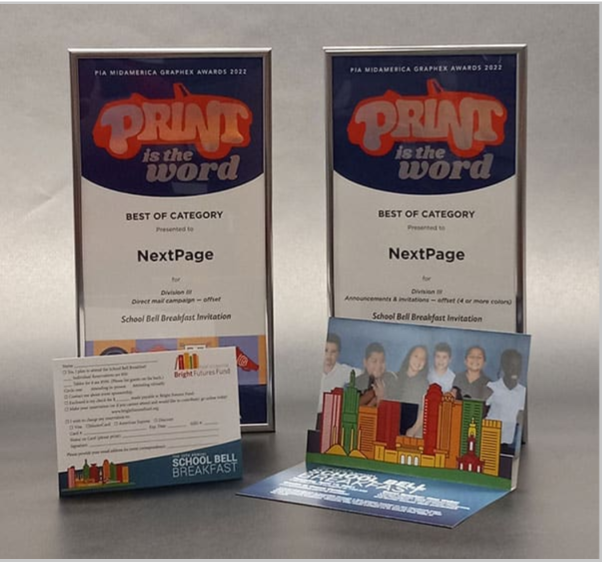
A direct mail campaign is capable of reaching potential customers; however, a simple printed piece might not give them a lot of reason to pause and listen. When the design, format, or message is too generic, the mailer is likely to be ignored before the recipient even thinks about what the business has to offer. This is the reason, printing selections behind a mailer are significant.
The combination of the right format, design, personalization, and print details can assist a piece in standing out and making the message easier to notice and take action on.
So, what can businesses change to make direct mail more effective at reaching new customers?
Here are 10 printing ideas that offer practical ways to create mailers that attract attention and give recipients a stronger reason to engage.
1. Personalize Each Mailer
A generic mailer can feel like it was sent to everyone. A personalized piece can feel specifically chosen. Businesses can print names, locations, customer segments, or tailored offers where appropriate.
With direct mail printing, variable data can change selected text or images across one campaign. This helps businesses put a targeted message in front of the right customers without creating every piece separately.
Personalization adds relevance; the piece still needs attention.
2. Print Oversized Postcards
Size can help a mailer claim attention in a crowded mailbox. An oversized postcard gives businesses room for a headline, image, offer, and call to action.
Extra space should create breathing room rather than invite more copy. Use it to highlight what matters most, especially for promotions, events, or new locations.
Once the mailer catches the eye, give the recipient a reason to keep it.
3. Print Promotional Coupons

A printed coupon gives recipients a concrete reason to hold onto the mailer. Businesses can offer a discount, introductory deal, or customer-only promotion with a clear expiration date.
Make the offer easy to spot and simple to redeem. A short redemption code or printed expiration date can encourage action while helping the business recognize responses.
A coupon creates a physical reason to respond; a QR code can lead directly to digital action.
4. Add QR Code Mailers
A QR code may be used between a printed postcard and an online offer, booking form, video, or helpful information. This provides the recipients with an easy follow-up.
Make sure the code leads directly to the content the mailer promises. A 2025 open-access study used a QR code on a follow-up postcard in a geographically targeted Every Door Direct Mail survey, giving residents a way to move from the printed card to an online questionnaire.
5. Try Die-Cut Shapes
A standard rectangle can blend into the rest of the mailbox. A die-cut piece can break that pattern with a distinctive outline that supports the campaign concept.
Businesses can use a shape that reinforces a product, symbol, invitation, or central idea. Even an unusual shape needs enough space for the message and should remain easy to handle.
When the shape reinforces the message rather than distracting it, the mailer becomes easier to remember.
Attention matters, but usefulness can give recipients a reason to keep the piece.
6. Print Useful Reminder Cards
Not all printed mailers must drive an immediate sale. A reminder card can provide customers with a convenient excuse to have the piece around them and still remember the business.
Companies are able to print out seasonal notices, appointment reminders, renewal dates, care tips, or just checklists. Crucial details may ensure that the mailer is relevant over a longer period than a single promotion.
That opens another door to reach out when a related customer requirement comes up.
7. Experiment With Mailer Formats
The right format can determine how easily recipients move through a longer message. Businesses can print folded self-mailers, brochures, booklets, or dimensional pieces when a postcard lacks enough space.
Choose the format based on the information and action involved. A short offer may need one panel, while a service with several benefits may need a folded sequence.
The structure keeps the message easy to follow.
8. Create Localized Mailers
An online article may seem more authentic when printed and distributed according to the locality one lives in. Businesses that cater to more than one region can develop versions with neighborhood references, local images, local addresses, or local offers.
This will make a single campaign seem more focused without altering its message. It may also be particularly helpful when it comes to businesses that rely on customers within a specific radius.
A focused message provides local opportunities with a better motivation to pay attention to the business.
9. Print a Mail Series
One printed piece does not have to communicate an entire campaign. A coordinated series can spread the message across several mailers, giving customers multiple opportunities to notice the business.
For example, the first postcard can introduce the business, the second can build interest with useful information, and the third can present a clear offer.
Keep recognizable design elements consistent so the pieces feel connected.
10. Add Trackable Response Codes
A printed campaign becomes easier to improve when businesses can identify which mailer generated a response. Unique promotional codes, dedicated URLs, QR codes, or campaign-specific offers can be printed on different versions.
Use a distinct identifier for each audience, location, format, or offer. Afterward, compare responses with the printed elements used in each version.
Those results can guide the next campaign and show which approaches deserve further testing.
Conclusion
A good direct mail campaign begins with a printed document that is attention-grabbing and provides the recipient with a definite purpose to act. One can enhance the experience by adding personalization, innovative formats, valuable information, time-sensitive offers, local information, online relationships, and traceable codes.
You do not have to use all the ideas simultaneously. Select the formats and features that are appropriate to the audience, experiment with versions, and analyze the feedback. The lessons can be used to design smarter future campaigns and assist businesses in making direct mail a regular practice in reaching potential customers, building recognition, and taking action with less wasted paper.