

You can recognize some creators before their faces appear. A short musical cue starts, and you already know whose video is coming. Other intros seem to last forever: a spinning logo, a dramatic melody, and several seconds before anything interesting happens. The difference is not always expensive production. Often, it is whether the sound gives viewers a reason to stay. For independent creators testing their own opening music, AI Song is one way to explore options without pretending that an elaborate intro is the most important part of the video.
The Opening Sound Has a Job, Not a Trophy to Win
A cooking creator may need half a second of cheerful percussion before showing the finished dish. A film reviewer might open with a restrained, mysterious cue that ends as the first opinion begins. A fitness coach may not need music at all if the first line is a clear instruction.
Those choices depend on the audience’s expectations. Someone searching for a quick explanation rarely wants to sit through a cinematic opening. Someone watching an entertainment series may enjoy a familiar sound that signals the episode has begun. The intro should match what viewers came to see, not demonstrate how many effects the creator can add.
Before choosing a track, watch your last three videos with the sound turned off. Note how quickly you reveal the topic. If the first useful moment arrives late, music will not fix the pacing. Cut the unnecessary footage first, then decide where a sound cue might help.
The Three-Second Test for a Strong Intro
There is no magic duration that works for every platform, but three seconds is a useful editing exercise. Imagine your opening must communicate one idea before the viewer makes a decision to keep watching.
- Does It Tell the Viewer What Kind of Video This Is?
Picture a creator who posts quick home-repair demonstrations. A short, crisp instrumental cue can support an efficient tone. A sprawling orchestral opening sends a completely different message. Ask whether your sound belongs to the subject, not just whether you personally like it.
Try playing the cue over the first shot without narration. If the mood feels wrong, changing instruments may be more effective than making the music louder.
- Can It Survive a Phone Speaker?
Most people will not hear every delicate bass note in a busy setting. A recognizable rhythm or short melodic shape may carry better than a subtle wash of sound. Test on a phone at normal volume, not only on studio headphones.
Pay attention to the first spoken words. If viewers have to strain to understand the opening sentence, lower or shorten the music. Clarity beats impact when the two compete.
- Can You Use It Repeatedly Without Growing Tired?
An intro that feels exciting once may become irritating after twenty episodes. Imagine hearing the same loud crash before every recipe, review, or travel update. Choose something short enough to establish familiarity without turning into a hurdle.
Play it several times in a row. If you immediately want to skip it, your regular viewers may feel the same. The best recurring cue can quietly disappear into the show’s rhythm.
A Simple Experiment Beats Guessing What Your Audience Likes
Pick two videos with comparable topics, lengths, and posting conditions. Give one your existing opening and the other a shorter version. The comparison will not be a controlled scientific study, but it can reveal obvious problems. Check whether viewers drop away during an intro and read comments for complaints about volume or repetition.
If a platform supplies audience-retention graphs, look at the first moments rather than just the average view count. Be cautious about causes: a stronger thumbnail, a more interesting topic, or different distribution can change results. Do not claim the music caused an improvement simply because one video performed better.
A direct question can sometimes be more useful than statistics. Ask a few regular viewers, “Do you recognize this as one of my videos before the title appears?” Then play two short cues without telling them which is newer. You are looking for recognition and fit, not applause for technical complexity.
Find a Sound That Belongs to Your Content
Start with three adjectives that describe the experience viewers should expect. A gentle book-review channel might choose “curious, warm, unhurried.” A creator explaining science experiments might choose “playful, precise, energetic.” Translate those words into musical choices such as tempo, instruments, and how suddenly the cue begins.
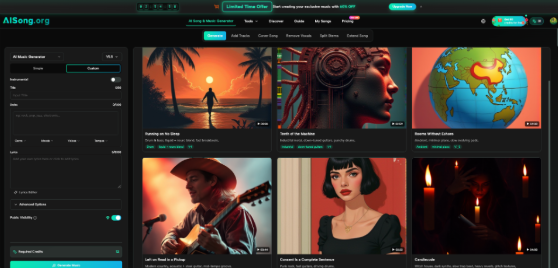
To compare directions, AI Music Generator can produce candidates from written descriptions. AISong offers genre and mood descriptions as well as instrumental generation. You might explore light piano and soft percussion for a thoughtful review series, then compare it with a brighter rhythm for the same footage. Listen to the opening moments and decide which best supports the voice and pictures.
Do not ask for an exact copy of a famous creator’s jingle. Their recognition comes partly from repetition, not a magical set of notes. Copying their sound closely also makes your channel less distinct and can create rights concerns. Your goal is a cue that suits your own content.
A recurring sound does not require a complete song. You can select an appropriate short passage from material you are allowed to edit and use, then prepare it in your video editor. Check the audio for clean beginnings and endings. Keep a version without the cue in case a future episode works better with a direct cold open.
Make the Intro Serve Different Video Formats
A long-form interview, a quick tutorial, and a vertical short may come from the same creator, but they should not all start identically. On a short video, the opening image and first sentence often need to get straight to the point. A tiny musical accent might be enough. In a longer series, a familiar opening phrase can give the show a sense of occasion.
Create a simple usage rule. For example, use the full cue only for weekly episodes, a brief version for highlights, and no intro for urgent updates. Keep speech volume consistent so the switch between formats does not surprise listeners.
Document which file belongs to which version. If another editor joins the channel, a folder labeled “intro-long,” “intro-short,” and “no-music” prevents avoidable mistakes. Add a note about where the audio came from and the relevant usage permission. Platforms and commercial projects may have different requirements, so review current licensing terms before publication.
Know When Silence Is the Stronger Choice
An intro is a tool, not a rule. A creator opening with a personal announcement may sound more sincere without cheerful music. A breaking-news explainer may need the headline immediately. A comedy clip may rely on the sudden absence of sound before the punchline.
Watch the first five seconds of your edit and ask one question: does the music make the message clearer or just delay it? If it delays it, remove the cue. Consistency is useful only when it improves the viewing experience.
Conclusion
Memorable creator intros are rarely memorable because they are long. They work because the sound fits the subject, remains clear on ordinary speakers, and becomes familiar through thoughtful repetition. Start by tightening your first shot, then test a short musical cue against the actual video. Compare options with viewers instead of judging them only in an audio player. Keep versions suited to different formats, and verify permission before publishing. Your next opening does not need to announce a blockbuster. It needs to make the first few seconds worth watching.