

How a private concern can open a useful health conversation
Some health concerns become harder to handle simply because we keep them quiet. Erection changes can sit in that space for months while we search in private and hope things improve. Soon, a treatment name starts to feel like the answer before we know what caused the change. That urge makes sense. We want ease, confidence, and closeness back, without turning sex into a test. Yet the first useful step is often less dramatic than the ads suggest. We need a clear view of our overall health and an honest account of what each option can do. Privacy should give us room to seek help, not leave us sorting bold claims alone.
This guide takes the pressure off choosing a treatment too soon. We’ll look at common causes of erectile dysfunction, the research behind low-intensity shockwaves, and the difference between sound waves and sales language. We’ll also cover the questions that help us compare costs, care plans, and established treatments. Shockwave therapy for ED remains investigational in the United States, so claims of a proven cure need care. When we review a plan focused on Shockwave for ED, we should ask how the evidence applies to our own case. A confident choice can include asking about a clinical trial or choosing another route. We do not need to know every medical term to take part in that decision. We need facts we can use and a clinician who welcomes a frank talk about benefits, limits, and what comes next.
Why erection changes deserve a full health assessment
Estimates shared by the National Institute of Diabetes and Digestive and Kidney Diseases place ED among 30 million to 50 million U.S. men. ED means trouble getting or keeping an erection firm enough for sex. The agency identifies diabetes, heart disease, medicines, and stress among relevant factors. It also notes that ED is not a routine part of aging. Those facts support a health review rather than guesswork. A common condition still deserves attention that fits your needs.
Tell your clinician when the changes began and their frequency. Mention changes in desire, morning erections, pain, or the shape of your penis. Bring a list of medicines, supplements, and past ED treatments. Your clinician may check blood pressure and order tests based on your history. Do not stop a prescribed drug because you suspect it affects erections. A review can uncover issues that matter beyond your sex life.
- Describe the pattern honestly, including times when erections still work well.
- Share any diabetes, smoking, heart health, or stress concerns during your visit.
- Ask which likely causes need attention before discussing a device treatment.
What current research can tell you about shockwave claims
A 2026 review indexed by the National Library of Medicine assessed 36 studies of proposed restorative ED treatments. Of these, 23 examined focused shockwave therapy, with mixed findings against sham treatment. Across those studies, 78% did not report or compare meaningful clinical improvement thresholds. A sham treatment mimics a procedure without delivering its active treatment. These gaps limit claims about benefits you would notice. A change in a study score does not always mean better sex.
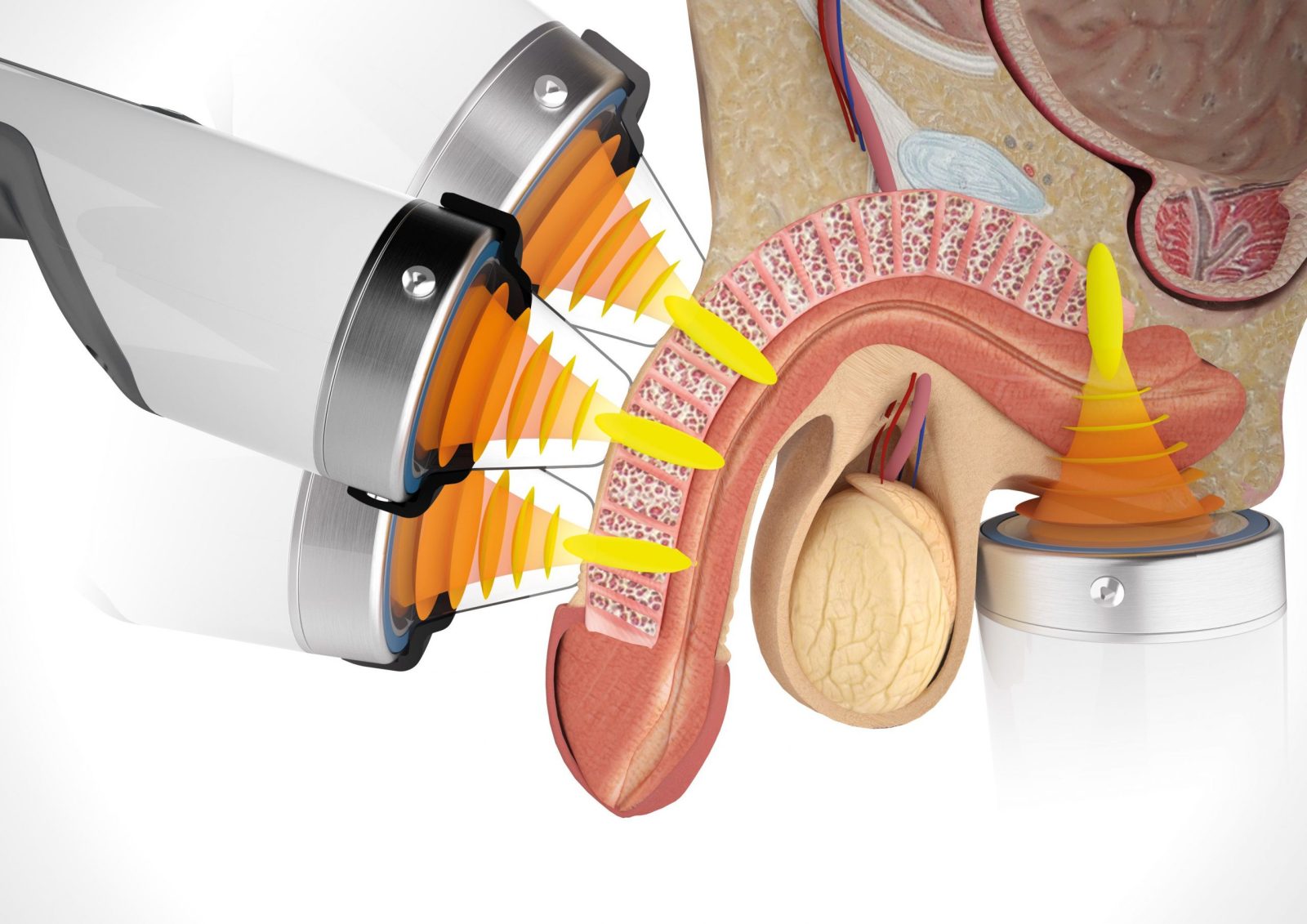
Low-intensity shockwave therapy sends energy pulses into tissue through an external device. Researchers are studying whether it can help some forms of ED. Radial pressure waves are different, so evidence for focused shockwaves cannot simply transfer. U.S. specialist guidance recommends research trial settings rather than routine commercial treatment. Claims about rebuilding blood vessels or providing a lasting cure go beyond proven results. Ask for evidence tied to the exact device and approach being offered.
- Request the device name and ask whether it delivers focused or radial waves.
- Ask how the clinic explains the treatment’s investigational status before payment.
- Compare realistic benefits with established ED care rather than relying on testimonials.
How to compare treatment paths before paying for sessions
The strongest plan gives you choices rather than one package to buy. A urologist can discuss options based on your health and past results. Make sure three practical points are clear.
- Review established options first
Ask about prescription pills, vacuum devices, injections, and other care that may fit. Counseling can help when worry or relationship strain adds to ED. Pills are not safe with nitrate medicines used for chest pain. Your clinician must review drug combinations before suggesting a prescription.
- Get the terms in writing
Request the price, planned sessions, and costs for later visits. Check whether insurance covers the proposed treatment before assuming it will. Ask what happens if you notice no useful change. Avoid paying under pressure or treating a package price as proof of value.
- Define progress before starting
Choose outcomes that matter to you, such as reliable erections during sex. Record your starting point and agree on a time to reassess. Ask who handles pain, bruising, or concerns after sessions. Keep treatment decisions separate from promises that no clinician can guarantee.
How we can move toward support without added pressure
We can take erection changes seriously without rushing toward the newest treatment. A health assessment comes first, followed by a fair comparison of established care and options still being studied. Shockwave research has unanswered questions, and our choices should reflect that.
We deserve private care that treats questions as part of good medicine. Use this guide to start a conversation, whether alone or with a partner you trust. Reach out to a qualified urologist and ask for an assessment before purchasing sessions. From there, we can choose a path that respects our health, our budget, and the evidence today.