

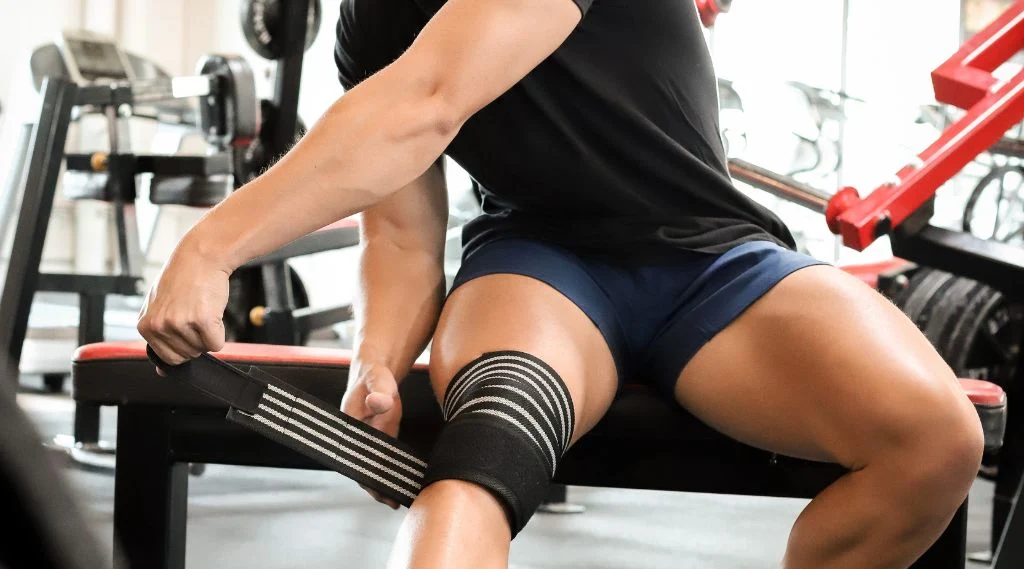
Heavy squats put enormous demands on the knees, and many lifters reach for sleeves long before they reach for belts or wraps. Used well, they add warmth, compression and confidence at the bottom of the lift. Used poorly, they pinch, slide down or give a false sense of security. If you are about to buy XTM Gold knee sleeves online, or any sleeves at all, understanding how they work will help you choose and use them intelligently. Here is a technical guide.
What Knee Sleeves Actually Do
A knee sleeve is a tube of compressive material, most often neoprene, that wraps the joint. Its effects are modest but meaningful.
- Warmth: Insulation keeps tissue around the knee warmer, which many lifters find makes the joint feel looser and more comfortable.
- Compression and proprioception: Gentle pressure increases sensory feedback, helping you feel where the knee is in space, which can improve control and tracking.
- Joint support and stability: The snug fit offers a mild sense of stability, although a sleeve does not replace muscle strength or sound technique.
- Elastic rebound: Thicker, stiffer sleeves can store a little elastic energy as they compress at the bottom of the squat. This effect is small and varies greatly between products.
- Swelling control: Light compression may reduce post-training puffiness for some lifters.
Sleeves are not rigid braces, and they will not prevent injury by themselves.
Sleeves vs Wraps
Wraps are long elastic bandages that are wound around the knee tightly. They offer far more rebound and are used mainly in equipped powerlifting. Sleeves are slip-on and convenient, with less assistance and fewer rules. For most lifters, sleeves are the practical choice for everyday heavy training.
Thickness: Matching Material to Purpose
Thickness changes compression, warmth and mobility.
| Thickness | Typical feel | Best for |
| 3 mm | Light, flexible | Warmth, general training, high-rep work |
| 5 mm | Balanced | All-round lifting and weightlifting |
| 7 mm | Firm, restrictive | Heavy squatting and powerlifting |
Thicker sleeves offer more support and rebound, but they are also harder to put on, can feel restrictive during high-rep sets and may bunch behind the knee. Choose according to your main training style. If most of your work involves heavy low-rep squats, a thicker sleeve makes sense. If you also do running, lunges or Olympic lifts, a medium thickness is often more versatile.
Fit Is Everything
A sleeve that is too loose slips and does nothing. One that is too tight can restrict circulation, pinch the skin or make squatting uncomfortable.
How to size correctly:
- Measure around the knee at the specified point in the manufacturer’s size guide, usually through the middle of the kneecap or just above it.
- Compare your measurement with the size chart rather than guessing from your clothing size.
- Consider your intended use. Powerlifters often prefer a very snug fit, while others prefer a little room.
- Check how the sleeve feels in the bottom position of a squat. It should hold firmly without pulling painfully behind the knee.
Avoid sizing down aggressively, which makes the sleeve hard to wear and can cause cramps or numbness.
Construction Details That Matter
- Material quality: Dense, high-grade neoprene retains compression longer.
- Seams and stitching: Flat or reinforced seams reduce chafing and increase durability.
- Shape: Pre-curved or anatomically shaped sleeves bunch less at the back of the knee.
- Edges and finish: Soft edges are more comfortable during long sessions.
- Inner lining: A smooth lining can reduce skin irritation.
How to Wear Them Properly
- Roll the sleeve halfway down, place your foot through and unroll it gradually.
- Position it centrally so that the kneecap sits in the middle of the sleeve.
- Smooth out wrinkles, especially behind the knee.
- Don’t pull it too high or low, as the edges can dig into the quadriceps or calf.
- Put it on before your working sets, not necessarily before your very first warm-up, so your knees can warm up naturally.
Training Considerations
- Use sleeves strategically. Some lifters wear them only for heavy sets, which keeps their benefit more noticeable.
- Don’t rely on them for everything. Strong quads, hamstrings and hips, plus good technique, are what truly protect your knees.
- Monitor skin and comfort. Rashes, numbness or tingling mean the fit or duration needs adjusting.
- Mind the heat. Neoprene retains warmth, so remove sleeves between sets in hot gyms if you feel overheated.
- Respect pain. A sleeve should never be used to mask sharp or persistent pain.
Competition and Rules
If you compete, check your federation’s rules on sleeve thickness, length and materials. Some approve specific products, while others restrict the use of elastic wraps. If you plan to buy XTM Gold knee sleeves online, also confirm that the specific model meets your federation’s equipment requirements before ordering. Check all requirements well before the meet, since an unapproved item can cause problems on competition day.
Care and Maintenance
- Hand wash in cold water with a mild detergent.
- Air dry away from direct heat or sunlight.
- Avoid tumble drying, which damages neoprene.
- Rotate pairs if you train frequently.
- Replace sleeves when they lose compression, tear or stay stretched out.
Common Mistakes
- Choosing thickness only because “thicker is better”
- Buying the wrong size and blaming the product
- Wearing sleeves to hide a persistent knee problem
- Ignoring hygiene, which can cause odour and skin irritation
- Expecting a sleeve to fix poor squat technique
Conclusion
Knee sleeves provide warmth, compression and proprioceptive feedback that can make heavy squatting feel more controlled and comfortable. Their usefulness depends on choosing the right thickness, getting the size right and treating them as a tool, not a cure. Prioritise good technique, progressive loading and recovery, and seek professional advice for persistent pain. For lifters who want a dependable option for heavy training, XTM Gold Ultra knee sleeves are worth comparing on thickness, fit and construction.
PRO WOLF is a strength training brand that supports lifters with practical, performance-focused equipment. Their range includes knee support designed for demanding squat sessions, helping athletes train with greater comfort, stability and confidence, whether they are building strength at home, in the gym or preparing for competition.