

Key Takeaways
Source plasma is collected for use in manufacturing plasma-derived therapies. It should not be described as a direct cancer treatment or as a guaranteed lifeline for a particular patient.
Donors receive compensation for the time involved in completing the screening and donation process. Payment amounts and promotions can change, so current terms should be confirmed with the center.
Eligibility is evaluated at every visit. Meeting the general age and weight requirements does not guarantee that a person will be permitted to donate.
The screening performed at a plasma center is designed to determine donation eligibility. It is not a substitute for a physical examination, laboratory testing, or continuing medical care from a healthcare provider.
Plasma donation has not been established as a way to strengthen the donor’s immune system, prevent illness, or provide a general health improvement.
Preparing with water, sufficient sleep, and a balanced meal may make the appointment more comfortable. Donors should also follow the center’s recovery instructions.
Federal guidance allows source-plasma donation no more than twice within seven days, with at least 48 hours between procedures. The center must still approve the donor at each appointment.
Understanding Why Plasma Is Collected
Plasma is the liquid portion of blood. It carries proteins, antibodies, hormones, nutrients, and other substances throughout the body.
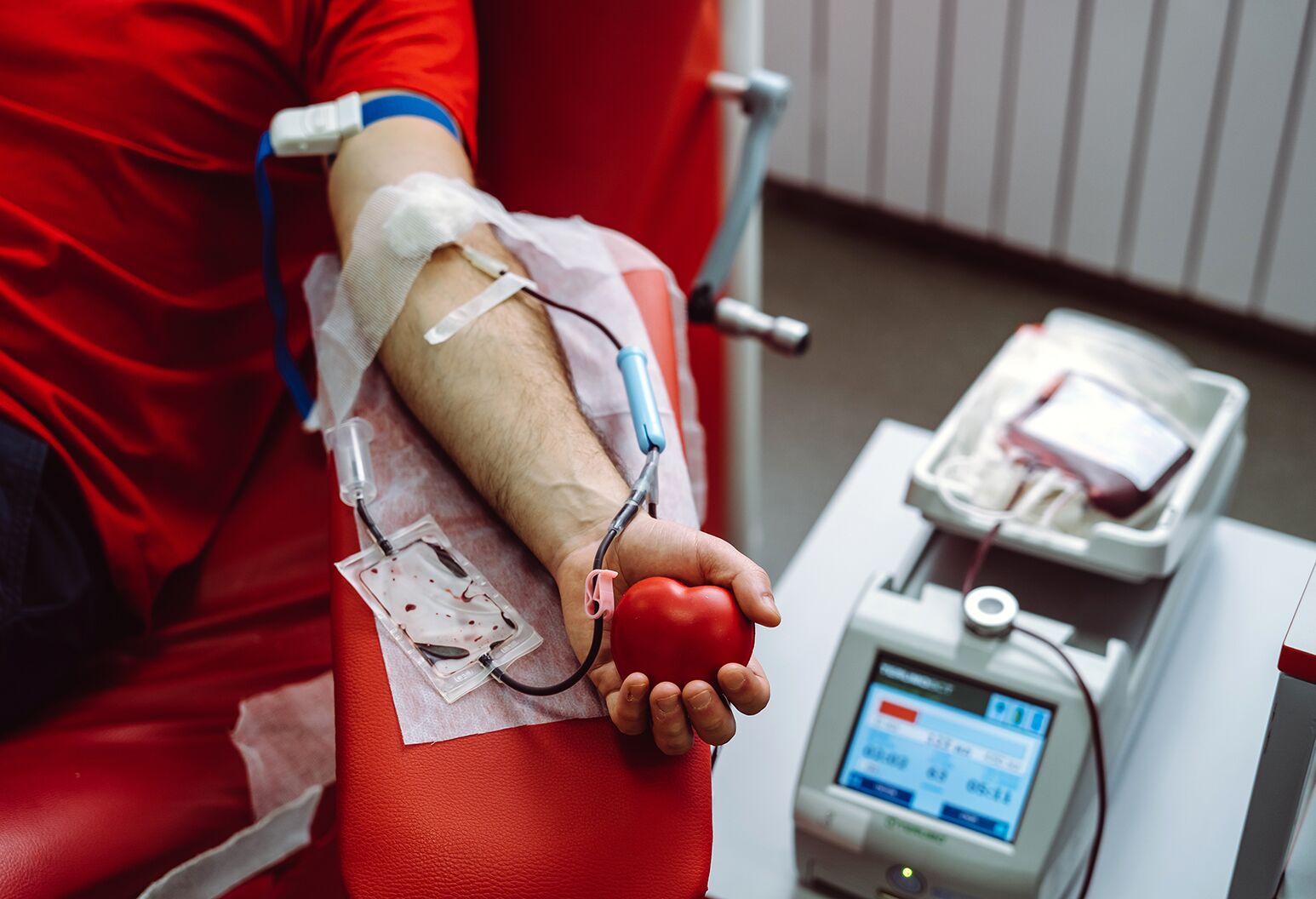
During plasmapheresis, blood is drawn and processed by a machine that separates the plasma. Red blood cells and other components are returned to the donor.
People searching for plasma donation ut can review ABO Plasma’s Orem location, eligibility requirements, appointment process, and donor instructions. The center is located at 169 North State Street in Orem.
How Donated Plasma May Be Used
Source plasma is commonly collected for further manufacturing. Pharmaceutical companies can process it into therapies used for people with immune deficiencies, bleeding disorders, and certain other medical conditions.
Plasma-derived products may include:
- Immunoglobulins
- Clotting-factor concentrates
- Albumin
- Other specialized protein therapies
Producing these medicines requires regulated collection, testing, processing, and manufacturing. A donor’s plasma is not usually transferred directly from the center to a specific local patient.
Plasma collected for direct transfusion follows a different collection and distribution pathway. Transfused plasma may be used in hospitals for certain patients experiencing major bleeding, clotting-factor deficiencies, liver disease, trauma, or other medical circumstances.
The original article focused heavily on cancer and immunotherapy. Those statements were too broad. Plasma and plasma-derived products have important medical uses, but a routine source-plasma donation should not be presented as a direct cancer treatment.
Understanding the Donor’s Contribution
A single donation becomes part of a much larger supply chain. Plasma from many qualified donors may be needed to manufacture ongoing treatment for one patient.
The number of donations associated with a therapy can vary according to the condition, product, dose, manufacturing process, and treatment schedule. A universal statement that one donation helps a particular number of patients would therefore be misleading.
Donors may value knowing that their participation contributes to the supply of plasma used for medical manufacturing. However, the center generally cannot identify which finished product will contain a particular donation or who will eventually receive it.
Donation also does not guarantee that every collected unit will be used. Plasma must meet applicable testing, quality, and manufacturing requirements.
The significance of donating comes from participating in a regulated collection system, not from unsupported claims about a direct connection between one donor and several recipients.
Compensation and Eligibility at the Orem Center
Compensated plasma centers pay donors for the time and commitment involved in completing the process. Payment should not be confused with the sale of a finished medical product.
Compensation can depend on the center’s current schedule, donation frequency, promotions, donor status, and other program conditions.
Confirming Current Compensation Information
ABO Plasma states that compensation is processed within 24 hours after a completed donation. Donors should ask how payment is delivered and what steps are needed to access the funds.
The center’s website may advertise a possible annual amount, but that figure should not be treated as guaranteed income. The amount a person actually receives can be affected by:
- Current payment rates
- Promotional periods
- Donation frequency
- Eligibility at each visit
- Temporary or permanent deferrals
- Missed appointments
- Changes to the compensation program
- Personal health and recovery needs
Potential donors should not prepare a monthly budget using an old advertisement or a payment schedule from another plasma company.
Before scheduling, it is reasonable to ask:
- What is the current payment for a completed donation?
- Are new-donor promotions available?
- Do promotional rates have expiration dates?
- How is payment issued?
- When should the payment become available?
- What happens if the procedure cannot be completed?
- Are any fees associated with accessing the funds?
The answers should come directly from the center because compensation programs can change.
Reviewing Orem Eligibility and Document Requirements
ABO Plasma lists several general eligibility requirements for its Orem center. Donors must be between 18 and 70 years old, weigh from 110 to 400 pounds, be in good health, have a permanent address, and live within the center’s stated 50-mile service radius.
A new tattoo or piercing within the previous four months may affect eligibility. Medical history, medications, travel, symptoms, previous procedures, and other factors can also result in temporary or permanent deferral.
Only trained center personnel can make the final eligibility decision. Donors should answer every screening question accurately, even if they believe a particular condition or medication is unimportant.
The Orem center requires donors to bring documentation at every visit, including:
- A valid government-issued photo ID
- A Social Security card or acceptable proof of a Social Security number
- Proof of local residency
- Any additional immigration or residency documents required by the center
Proof of address may include a recent utility bill, credit card statement, lease agreement, or another accepted document displaying the donor’s name and address.
Anyone uncertain about a document should contact the center before traveling to the appointment.
Health Screening, Preparation, and Recovery
Plasma collection is a medical procedure. It is generally completed without serious problems when donors are eligible and appropriate procedures are followed, but side effects can occur.
Possible reactions may include bruising, discomfort at the needle site, dizziness, lightheadedness, nausea, fatigue, or a citrate-related reaction during the return portion of the process. Donors should report symptoms to staff immediately.
Why Screening Is Not a Medical Checkup
A first-time donor at ABO Plasma completes a health questionnaire, provides a medical history, and receives a physical examination to determine whether donation is appropriate.
Repeat visits also involve eligibility checks. Depending on the center’s procedure, staff may assess factors such as weight, temperature, pulse, blood pressure, or protein levels.
These checks are performed for donor and product safety. They are not comprehensive medical evaluations.
A screening cannot:
- Diagnose every medical condition
- Replace an annual physical
- Evaluate all causes of high or low blood pressure
- Replace testing ordered by a physician
- Confirm that a donor is healthy in every respect
- Provide continuing treatment for an identified concern
If screening produces an unexpected result, the donor should ask what it means for eligibility and whether follow-up with a healthcare professional is recommended.
The original article described screening as a free health checkup that could detect problems early. That language overstated the purpose and scope of the screening.
Preparing for and Recovering From Donation
Preparation can affect how comfortable a person feels during and after the appointment.
ABO Plasma advises donors to sleep adequately, eat a nutritious meal close to the appointment, and drink plenty of water during the preceding day. The center also recommends avoiding fatty foods, alcohol, coffee, tea, and other choices that may contribute to dehydration or affect the collected plasma.
Helpful preparation steps include:
- Follow the center’s meal guidance.
- Drink water during the day before the appointment.
- Avoid arriving on an empty stomach.
- Bring all required documents.
- Wear comfortable clothing with sleeves that roll above the elbow.
- Bring permitted reading material, music, or headphones.
- Tell staff about symptoms, medications, or recent health changes.
After donation, the center advises donors to drink water, have a light snack, rest, and avoid strenuous activity for the remainder of the day. It also recommends avoiding smoking for at least 30 minutes and alcohol for at least four hours.
Instructions can vary according to the donor’s condition and what occurs during the appointment. Center staff should be told about persistent dizziness, worsening pain, swelling, bleeding, numbness, weakness, or another concerning symptom.
A person experiencing severe symptoms should seek appropriate medical care.
What Happens During a Plasma Appointment
A first visit takes longer because it includes registration, documentation, medical-history review, screening, and a physical examination.
ABO Plasma states that a first appointment may take up to two hours. The collection itself generally takes less than an hour, but individual experiences can differ.
Moving From Registration to Collection
The appointment typically begins with registration and identity verification. Staff review the required documents and confirm that the donor meets the center’s geographic and administrative requirements.
The donor then completes a questionnaire and medical-history review. Accurate answers are important because eligibility standards protect both the donor and the plasma supply.
If the donor is approved, collection begins. A needle is placed in a vein, and blood flows into an apheresis machine. The machine separates the plasma and returns red blood cells, white blood cells, and platelets to the donor.
This cycle may repeat several times during the appointment. The amount collected depends partly on the donor’s weight and the center’s procedures.
After collection, the donor may be asked to remain at the center briefly to rehydrate and confirm that they feel well enough to leave.
The equipment that comes into direct contact with the donor should be sterile and intended for single use. Donors can ask staff to explain the process if they have concerns about the equipment or procedure.
Donation Frequency and Common Misconceptions
FDA guidance allows source-plasma donation no more than twice within a seven-day period and not more frequently than once within 48 hours.
ABO Plasma follows this standard by requiring donors to wait at least 48 hours after a previous donation. Approval is still required at each visit.
The original article stated that plasma donors generally wait 28 days. That interval does not describe the federal schedule commonly applied to compensated source-plasma collection.
Several other misconceptions should also be corrected:
- Donation guarantees an energy boost: Some donors may feel well afterward, while others may experience fatigue, dizziness, or discomfort.
- Donation strengthens immunity: Plasma donation has not been established as a method for improving immune function.
- Screening proves a donor is healthy: Screening determines eligibility for that procedure and is not a complete medical examination.
- Every eligible person should donate twice weekly: Federal frequency limits describe the maximum permitted schedule, not a personal recommendation.
- Compensation is guaranteed monthly income: Payment depends on completed donations and the center’s current program.
Donors should pay attention to how they feel and discuss concerns with center staff or a healthcare professional. Being permitted to donate at the maximum frequency does not mean that every person will be approved or comfortable following that schedule.
FAQ
What is the difference between plasma donation and whole-blood donation?
Whole-blood donation collects blood with its major components together. During plasma donation, an apheresis machine separates the plasma and returns the remaining blood components to the donor. The procedures also follow different collection schedules.
How often may someone donate source plasma?
FDA guidance permits donation no more than twice during a seven-day period, with at least 48 hours between procedures. Eligibility must still be confirmed at every appointment.
Can a medical condition or medication affect eligibility?
Yes. Health conditions, medications, symptoms, recent procedures, travel, tattoos, piercings, and other factors may affect eligibility. Donors should disclose complete information and allow qualified center staff to make the determination.
What should a first-time donor expect?
A first visit generally includes registration, document review, a health questionnaire, medical-history review, a physical examination, and the collection procedure. ABO Plasma states that the entire first appointment may take up to two hours.
Does plasma donation strengthen the local hospital system?
Collected source plasma may enter a broader manufacturing and distribution network. It should not be assumed that a donation remains in Orem or is sent directly to a local hospital.
Can plasma donation cause dehydration?
Removing plasma temporarily reduces circulating fluid volume. Drinking water before and after donation can support recovery. Donors should follow staff instructions and report dizziness or other symptoms.
Do first-time donors receive training?
Staff should explain the screening and collection process and answer questions. This orientation is intended to support informed participation, but it is not professional training or a medical consultation.
What should someone eat before donating?
ABO Plasma recommends a nutritious meal containing protein, iron, and vitamin C and advises donors to avoid fatty and sodium-heavy foods. Anyone with a medical dietary restriction should follow guidance from an appropriate healthcare professional.
Useful Resources
- ABO Plasma Donor Checklist
- ABO Plasma Frequently Asked Questions
- U.S. Department of Health and Human Services Plasma Information
- U.S. Food and Drug Administration Blood Products
- Code of Federal Regulations for Source Plasma
- Centers for Disease Control and Prevention Blood Donation Information
- Plasma Protein Therapeutics Association
- AABB
- MedlinePlus