

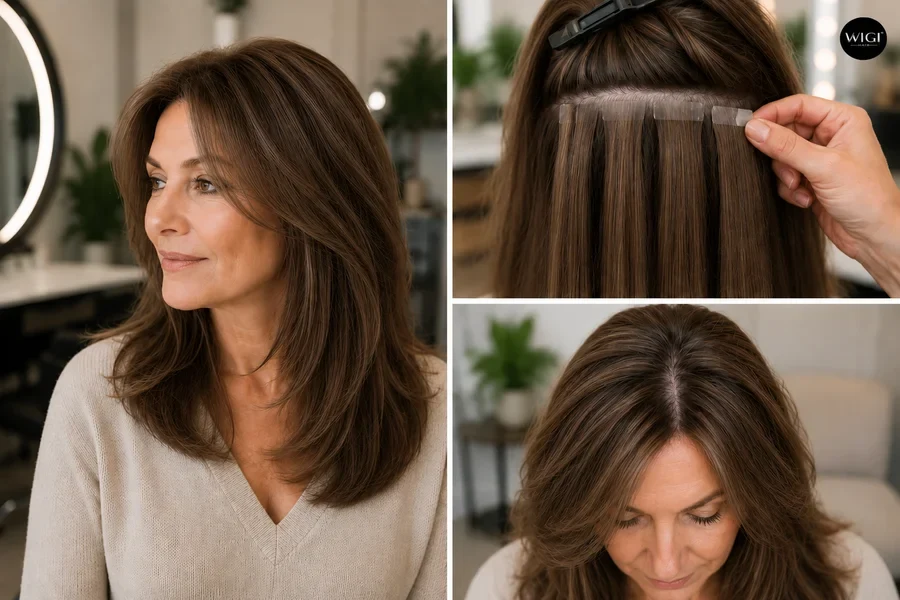
Forty-inch extensions create dramatic length, but comfort depends on how the added hair is distributed, attached, and maintained. Extra weight and tension can strain the scalp, especially when the install is tight or the same style is worn every day. A comfortable routine starts before installation and continues through washing, styling, and removal. Begin by considering how the added weight will affect your natural hair.
Understand the Weight Before Installation
Long extensions place more pull on the hair and scalp than shorter styles. The total load depends on the amount of hair installed, its density, the attachment method, and the condition of your natural hair. The weight of the product is only one part of the decision.
The product page for 40-inch extensions lists a bundle weight of 3 to 3.5 ounces and describes the hair as medium density. That figure applies to one bundle, not a complete install. The page also recommends at least five bundles for a full head, so consider the combined weight and ask your stylist to assess whether that amount suits your hair.
Before installation, ask your stylist to examine your hair’s density, condition, and any areas of breakage. Fine, fragile, or thinning hair may need a lighter style or an attachment method that avoids repeated strain on vulnerable sections. Mention any scalp tenderness or history of traction-related hair loss.
Reduce Tension at the Roots
A secure install should not cause pain. Sharp soreness, persistent headaches, bumps, or a pulling sensation around the hairline indicate excessive tension. Speak up during the appointment. Waiting for discomfort to fade can leave the follicles under strain for longer.
A stylist can distribute the extensions across suitable sections instead of anchoring heavy hair to a small amount of natural hair. The perimeter needs extra care because hair around the hairline is often more delicate. Choose a style that lets the extensions hang naturally instead of pulling them into a tight ponytail or bun.
These habits reduce repeated pulling during daily wear:
- Loosen ponytails and buns, particularly around the hairline.
- Change your part and style instead of loading the same roots.
- Arrange the hair before sleep so it does not tug as you turn.
- Request an adjustment if soreness continues after installation.
Do not use a tight style to disguise an install that already feels uncomfortable. A low, loose arrangement places less direct pull on the roots than a high, tightly secured ponytail.
Keep Long Hair Manageable Each Day
At 40 inches, the ends reach well below the waist on many people and brush against clothing, furniture, and bags. That contact creates friction and tangles. Detangle the hair in small sections, holding it above the area you are combing so the movement does not transfer force to the scalp or attachment points.
Start at the ends and work upward with a wide-tooth comb or a suitable brush. Do not pull a tool through a knot. Separate the knot gently with your fingers, then comb through the loosened section. Pay close attention to the nape, where the hair can rub against collars and gather into knots.
Before bed, gently detangle the length and gather it in a loose braid or another low-tension style. A smooth pillowcase or hair covering reduces friction during sleep. Keep the style loose enough to avoid pulling at the roots.
Wash, Dry, and Style With Care
Follow the care directions for the extension type and installation method. For raw hair, the product page recommends washing weekly or every other week with a sulfate-free, moisturizing shampoo and conditioner. Clean the scalp without rough scrubbing, then rinse thoroughly so product does not collect near the roots.
After washing, gently squeeze out excess water and let the hair air-dry when practical. Rubbing the length with a towel roughens the strands and encourages tangles. If you use heat, apply a heat protectant and work in manageable sections. Heavy oils and excess styling products can weigh down long hair and make detangling more difficult.
Pay attention to changes during maintenance. New soreness, increased shedding, matting near the attachment points, or difficulty cleaning the scalp are reasons to contact your stylist. Address problems as they appear instead of waiting until removal day.
Conclusion
Comfort depends on matching the amount of added hair to your natural hair’s condition, keeping root tension low, and reducing daily friction. Before installation, discuss the total weight and attachment method with your stylist. Afterward, treat soreness, breakage, or persistent matting as reasons to reassess the style, rather than routine discomfort associated with long extensions.