

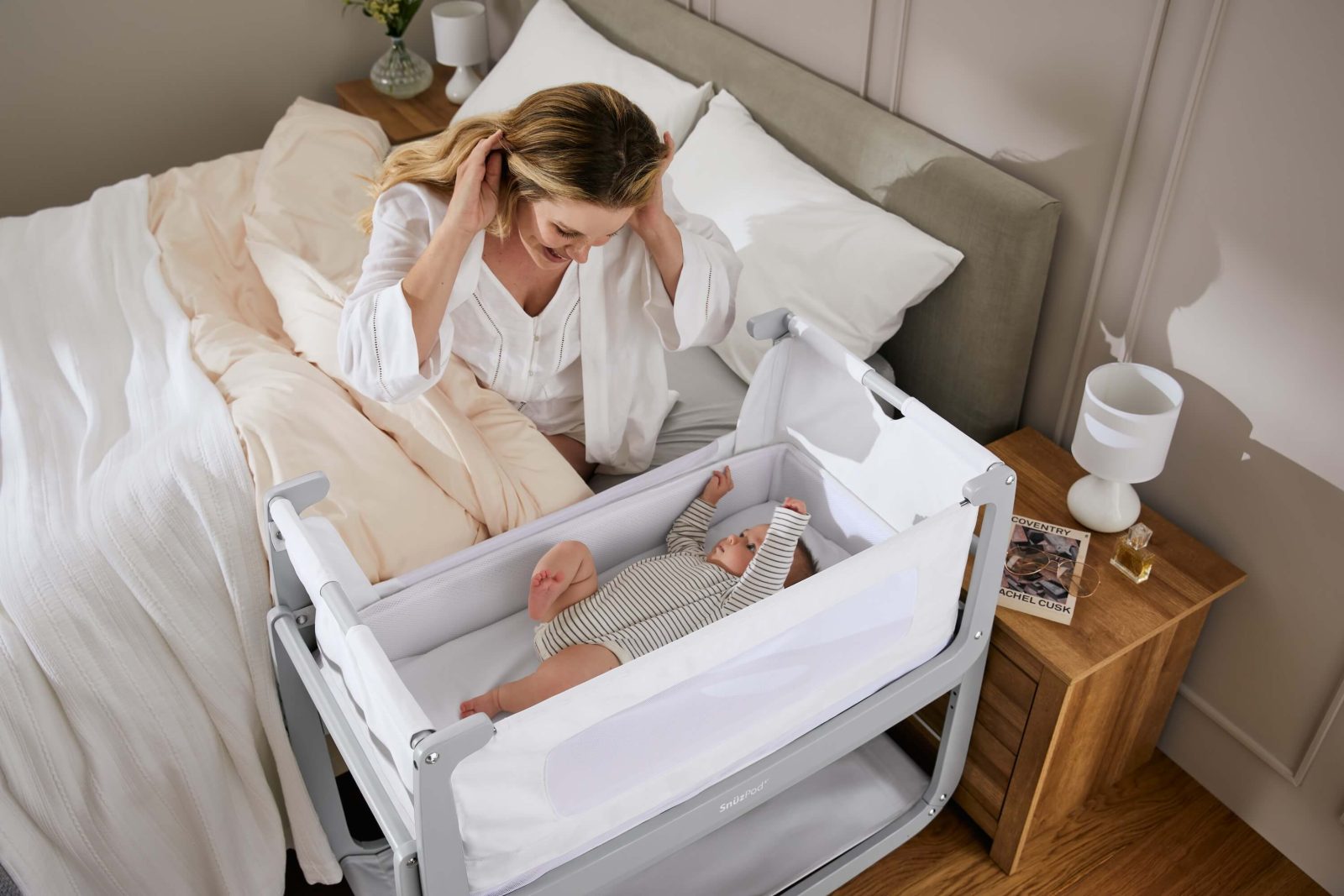
Choosing where your newborn will sleep affects nighttime care, room layout, and how soon you need to plan a transition. A bassinet keeps a small sleep space close, while a crib can remain useful as your baby grows. The right fit depends on your home, routine, and the product’s instructions. Start by comparing how each option affects daily use.
Think About Night-Time Care
A nearby sleep space can make it easier to reach your baby for feeding, soothing, or a quick check without leaving the bedroom. For some households, that convenience makes a bassinet a practical choice during the first months. Others have space for a crib beside the bed and prefer to begin with the sleep space they plan to use longer.
When browsing bassinets for a baby, look beyond appearance and consider where the product will sit during the night. Check whether you can reach it comfortably, move around the room, and keep the sleep surface clear. A product that fits your routine should also fit the available floor space without blocking doors or everyday paths.
Compare the Sleep Spaces
Both bassinets and cribs can provide a separate sleep space when used according to their instructions. The practical differences are size, placement, and how long the product suits your child. A smaller footprint can make a bassinet easier to position near your bed, while a crib takes more room but can serve beyond the earliest months.
| Consideration | Bassinet | Crib |
| Room placement | Often easier to fit beside an adult bed. | Needs more floor space. |
| Early night care | Keeps the baby close for feeds and checks. | Works well when placed in the bedroom. |
| Longer-term use | The baby will outgrow it sooner. | It can continue to suit a growing child. |
These are general differences, not promises about every model. Check the product’s size, intended use, and transition guidance before deciding.
Check Safety and Product Guidance
Whatever the style, use the sleep space as its manufacturer directs. A firm, flat surface and a fitted sheet sized for that specific product help keep the sleep area simple. Keep loose bedding and other soft items out of the sleep space, and avoid adding a mattress or pad that the manufacturer does not specify.
Before buying, read the label and instructions for the model you are considering. Confirm how the sleep surface is used and what signs mean your baby has outgrown the product. Guidance differs by model, so do not assume that a feature, accessory, or limit from one product applies to another.
Plan for Space and a Later Transition
A bassinet can suit a bedroom where a full-size crib is difficult to place, but it is a temporary choice. Think through where the crib will go when your baby is ready to move. Planning ahead can prevent a rushed purchase or a room rearrangement during an already busy period.
A crib can make sense from the start if you have room and want one sleep space to use for longer. It can also be placed in the parents’ bedroom if the layout allows. Consider how you will reach the baby at night and whether the crib’s location leaves enough room for normal movement.
Choose for Your Household
There is no single best option for every family. List the practical constraints first: where the baby will sleep, how much floor space is available, and how often the sleep space needs to move. Then compare products that fit those needs and follow their instructions.
A bassinet often suits families prioritizing a compact space close to the bed. A crib may suit households with room for a longer-term sleep setup. Some families use both in sequence. Whatever you choose, make the decision around the product’s guidance and your actual room, not assumptions based on appearance alone.
Conclusion
Before you buy, measure the intended location and picture your usual nighttime routine there. Compare the product’s instructions, the space it occupies, and how you will handle the next sleep-space transition. If a bassinet fits the room and your care routine, it can be a practical early choice; if a crib fits now, starting there can simplify the plan.