

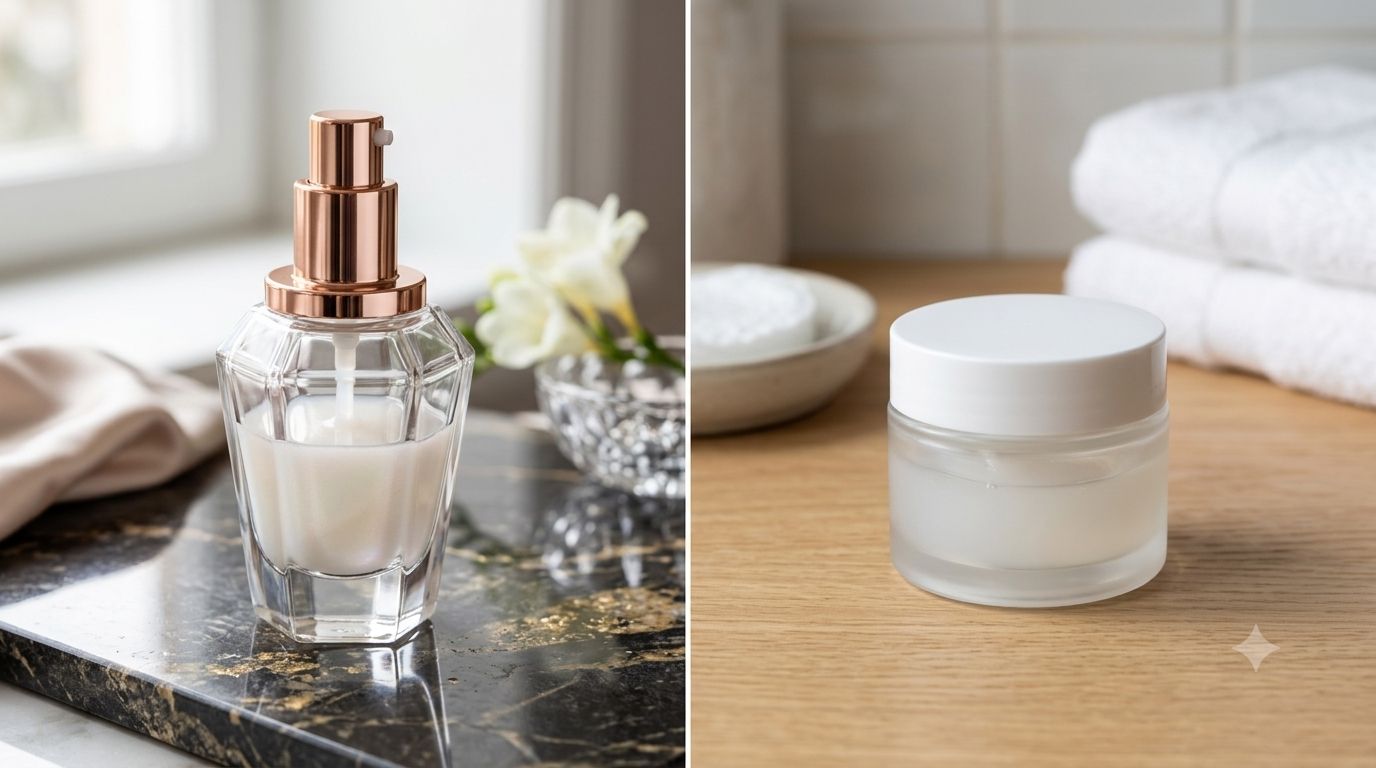
There’s a specific moment every indie beauty founder remembers. You’ve spent months tweaking a formula, sourcing the right botanical oils, testing stability, and then you finally pour your cream into a jar. If that jar feels cheap or generic, it undercuts everything you just worked for. If it feels right, heavy in the hand, clean on the shelf, it changes how the whole product reads to a customer before they even open the lid.
Why the Container Changes How a Formula Feels
Packaging isn’t just a vessel, it’s part of the sensory experience that shapes first impressions. A customer picking up a jar in a store or unboxing an online order forms an opinion about quality within seconds, often before smelling or testing anything. For small and mid-sized brands building a natural or clean beauty line, that first touchpoint carries extra weight because trust hasn’t been established yet through brand recognition. A well-chosen container signals that the formula inside was treated with the same care as the packaging itself.
Light Protection Matters More Than Most Brands Realize
Beyond looks, there’s a practical issue that affects shelf life and ingredient integrity: light exposure. Many natural formulations rely on botanical extracts, plant oils, and active compounds that degrade when exposed to UV and visible light over time. This is where glass cosmetic jars designed with light-filtering properties make a measurable difference compared to standard clear glass or plastic. Reduced light transmission slows oxidation, which means a butter or balm can retain its scent, color, and potency longer after it leaves the production line. For founders who’ve invested heavily in sourcing quality raw materials, this kind of protection isn’t a nice extra, it’s part of preserving the product you worked to formulate.
Choosing Sizes and Finishes for Different Product Lines
Formulators juggling multiple products often need a packaging system that scales across a line rather than reinventing the container every time a new SKU launches. Smaller jars in the 5 ml to 15 ml range work well for eye creams, concentrated serums, or sample sizes, while larger formats up to 240 ml suit body butters, bulk masks, or multi-use balms. Matching finishes and lid styles across a range helps a line look cohesive on a shelf, which matters for retail presentation and for customers comparing products side by side. A few things worth weighing when sizing a line include:
- the typical usage amount per application, which affects how fast a jar empties
- whether the product needs airtight storage to prevent moisture or air exposure
- how the jar size affects shipping weight and cost per unit
Branding and Decoration Options That Build Trust
Once the format is settled, decoration becomes the next decision point. Printing, labeling, and custom lid matching all affect how professional a finished product looks, and brands often underestimate how much this influences perceived value at a given price point. Some founders also look toward alternative shapes for specific product types, and apothecary jars have become a popular choice for brands leaning into an apothecary or herbal aesthetic, since the shape itself communicates a sense of tradition and craft. Getting samples before committing to a full production run is a practical step that lets a formulator check how a specific cream or oil behaves in the actual container under real storage conditions, rather than relying on assumptions from a spec sheet alone.