

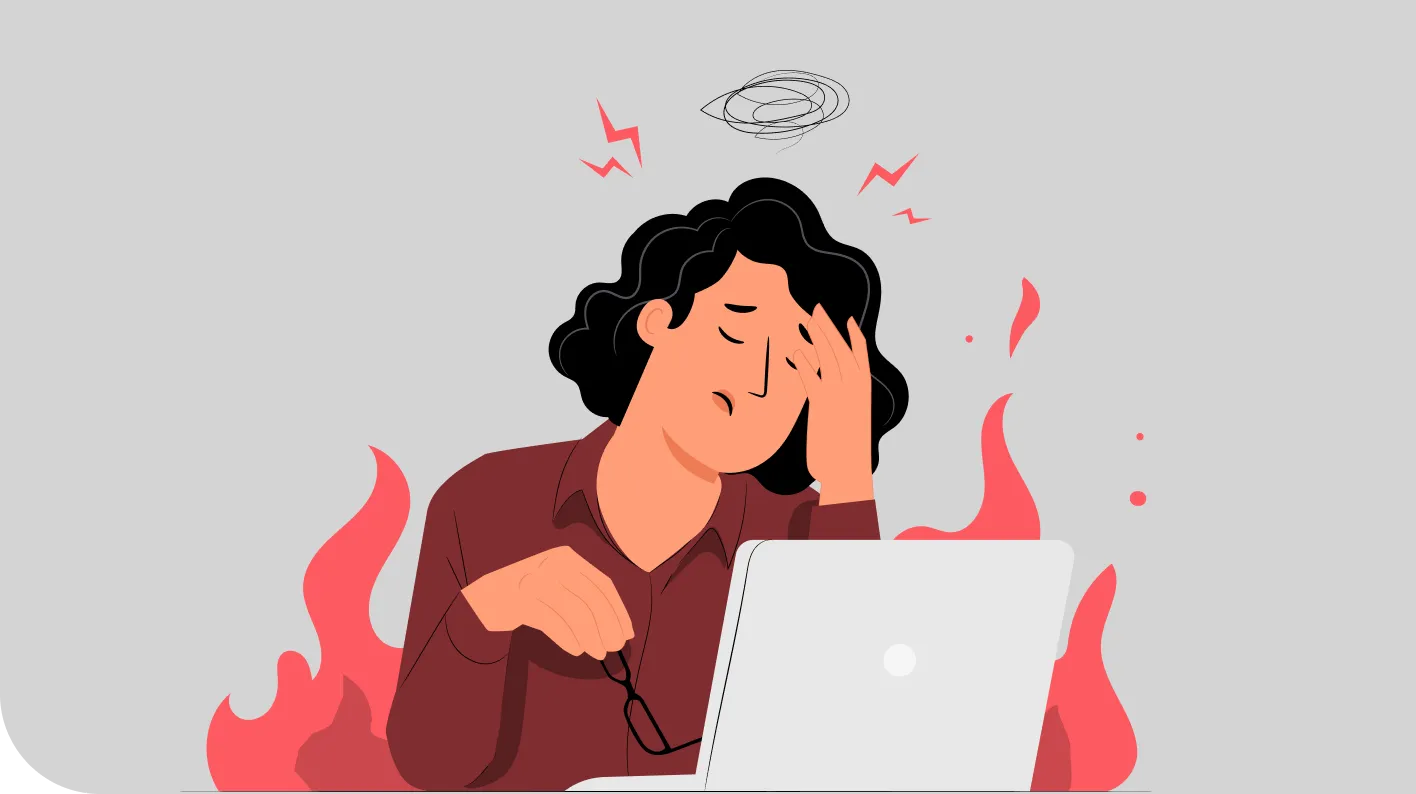
Sometimes, life’s demands and responsibilities may leave you feeling drained. Even if you have a job you love, supportive friends and a comfortable home, ongoing stress often leads to burnout. According to the American Psychiatric Association, burnout is a condition characterized by physical and emotional fatigue, pervasive cynicism, emotional detachment from your work or other responsibilities and diminished self-worth.1
Left unaddressed, burnout may lead to more severe mental health challenges. By identifying the signs of burnout and taking steps to prevent it, you may protect your mental health and regain your joy.
Recognize the signs
Identifying burnout early is key to addressing it. Burnout might look a little different for everyone, but there are some key signs to watch out for: 2,3
- Constant exhaustion: Needing the occasional post-work nap is totally normal. But if you’re tired even after eight hours of sleep or find yourself dozing off during the day, that may point to a more serious issue.
- Losing focus: You might make frequent mistakes that you’d ordinarily catch or have trouble paying attention during important meetings.
- Irritability: Small inconveniences, like negative feedback on a report, might become major sources of anger or frustration.
- Lack of motivation: You may struggle to complete work tasks that once came easily or even hobbies that usually make you happy.
- Self-isolation: You might avoid social events or spend less time with friends and family.
If any of the signs above sound familiar, you may want to take some steps to reduce stress and refocus your priorities.
Address stressors
Try to identify specific stressors and work with friends or family to find tangible solutions. For example, you might be struggling to stay on top of multiple credit card bills. A debt consolidation loan may make your personal finances easier to manage by combining multiple bills into a single monthly payment. Or maybe you’ve been staying late at the office working on a massive project. Asking your manager for additional support from the team may lighten your workload and improve the outcome of the assignment.
Factors outside of your control might contribute to experiences of burnout. However, you might find that minimizing key stressors whenever possible empowers you to make changes.
Make self-care part of your routine
When you hear “self-care,” you might think of bubble baths or spa days. While those treats may certainly be part of a self-care routine, the definition goes deeper: Self-care means taking steps to promote your physical, emotional, spiritual and social well-being.4
Ideally, self-care isn’t just a tool for addressing burnout when it happens. Whether you’re already thriving or need a little extra support, consider the following regular practices to support your overall wellness:5
- Rest: Stick to a consistent sleep schedule of at least eight hours per night. Try to avoid screentime before bed to promote more restful sleep.
- Stay active: Regular exercise isn’t only good for your body; it may also improve your mental health.
- Spend time outside: Walks, hikes or picnics in nature may help ground you and clear your head.
- Practice hobbies: Dedicate time to the activities that bring you joy or meaning, from woodworking to reading to playing tennis.
- Meditate: Mindfulness practices that align with your beliefs, like meditation, prayer or breathing exercises, foster a sense of spiritual well-being.
- Care for your body: Stay hydrated, eat balanced meals and take time off from work when you’re sick to keep your body healthy.
Prioritize quality time with loved ones
When responsibilities become overwhelming, it’s easy to lose sight of the relationships you cherish. However, staying connected to your friends and family is vital for your mental health. The people closest to you could keep you grounded, work through challenges with you, offer new perspectives, lift your mood and remind you what really matters.
If you have trouble sticking to plans when you’re stressed, consider scheduling time in your calendar for phone calls or outings with loved ones. Respect the time you’ve set aside and ask colleagues to do the same; your time with friends and family is precious.
The quality of the time you spend with loved ones matters as much as the quantity. For example, if you live with a partner, you might spend a lot of time talking about household finances, like rent or joint personal loans. While discussing money is necessary, don’t let your conversations end with logistics. Spend quality time laughing, doing shared hobbies and discussing your days, emotions and personal challenges.
Don’t be afraid to ask for help
You don’t have to fight burnout alone. If you sense the symptoms of burnout coming on and you’re already seriously struggling, let the people around you know. Your boss, friends, family members and mental health professionals may all offer different types of support. Take care of your well-being and reach out for help when needed so you can flourish in all parts of your life.