

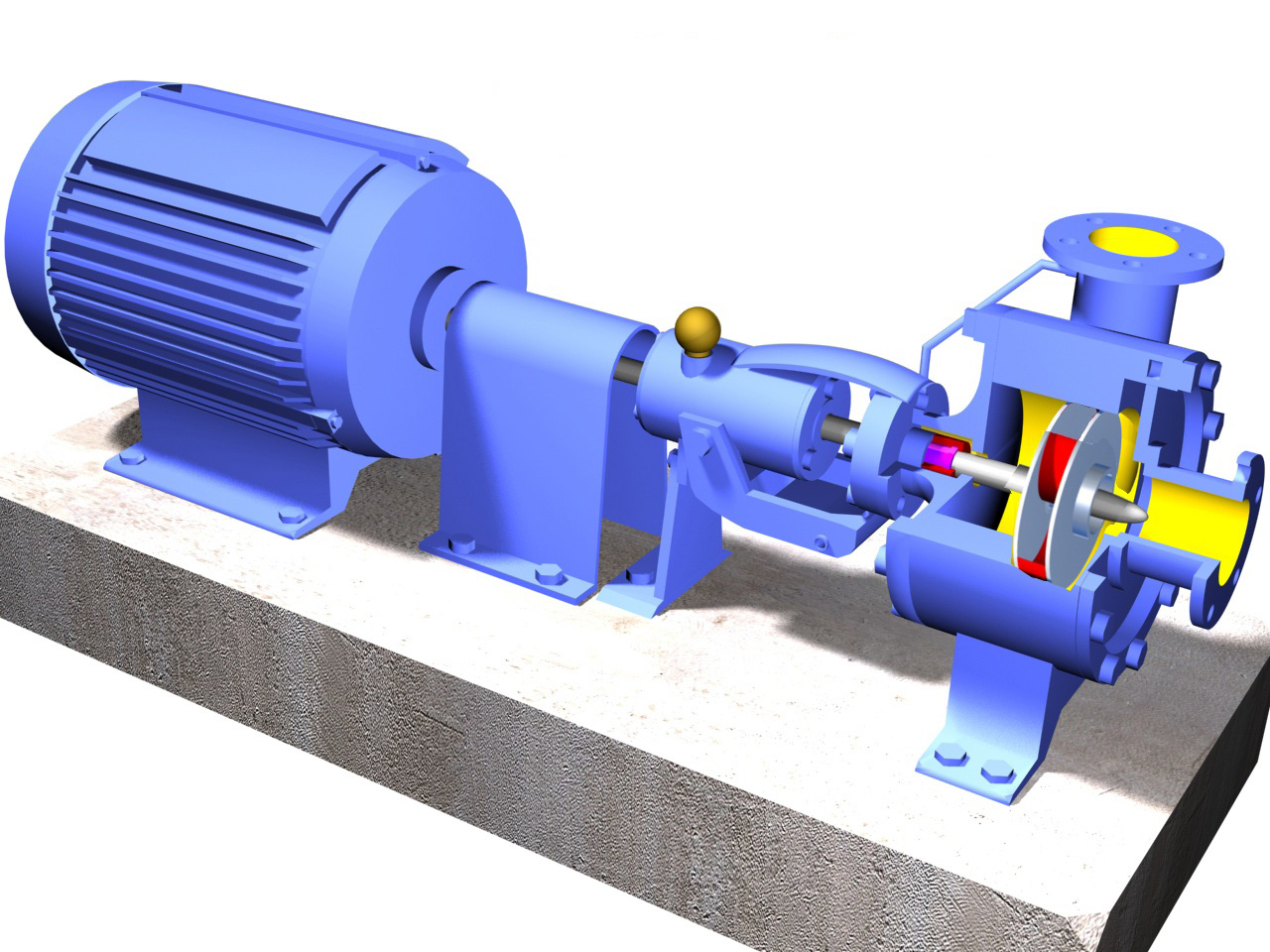
Centrifugal pumps are among the most widely used pumping systems in industries, commercial buildings, agriculture, and residential applications. Their simple design, high efficiency, and ability to handle a wide range of fluids make them the preferred choice for countless pumping operations worldwide. Whether moving clean water, chemicals, oils, or wastewater, centrifugal pumps provide reliable performance with minimal maintenance.
This guide explores everything you need to know about centrifugal pumps, including how they work, their components, types, advantages, applications, and maintenance tips.
What Are Centrifugal Pumps?
A centrifugal pump is a mechanical device designed to transport liquids by converting rotational energy into kinetic energy and then into pressure energy. The rotational energy is typically supplied by an electric motor or an engine that drives an impeller inside the pump casing.
As the impeller spins at high speed, it creates centrifugal force that pushes the liquid outward from the center of the impeller toward the outer edges. This movement generates pressure, allowing the liquid to flow through the discharge pipe.
Due to their efficiency and versatility, centrifugal pumps are used in industries ranging from manufacturing and construction to water treatment and food processing.
How Do Centrifugal Pumps Work?
The operation of a centrifugal pump follows a straightforward process:
- Liquid enters the pump through the suction inlet.
- The rotating impeller accelerates the liquid using centrifugal force.
- The liquid gains velocity as it moves through the impeller blades.
- The pump casing converts the velocity into pressure.
- The pressurized liquid exits through the discharge outlet.
This continuous process allows centrifugal pumps to deliver a smooth and consistent flow, making them suitable for both low- and high-capacity applications.
Main Components of a Centrifugal Pump
Understanding the major components helps in selecting and maintaining the right pump.
Impeller
The impeller is the rotating component responsible for transferring energy to the fluid. Depending on the application, impellers may be open, semi-open, or closed.
Pump Casing
The casing surrounds the impeller and directs the fluid while converting kinetic energy into pressure energy. Common casing designs include volute and diffuser types.
Shaft
The shaft connects the impeller to the motor and transmits rotational power.
Bearings
Bearings support the rotating shaft and reduce friction during operation.
Mechanical Seal
Mechanical seals prevent liquid leakage between the rotating shaft and the stationary pump housing.
Motor
The motor powers the pump and determines its operating speed and performance.
Types of Centrifugal Pumps
Different applications require different pump configurations.
Single-Stage Centrifugal Pumps
These pumps contain one impeller and are suitable for general water supply, irrigation, and circulation systems.
Multi-Stage Centrifugal Pumps
Featuring multiple impellers connected in series, these pumps generate higher pressure and are commonly used in boiler feed systems, high-rise buildings, and reverse osmosis plants.
Horizontal Centrifugal Pumps
Horizontal pumps are easy to install and maintain, making them popular in industrial and commercial settings.
Vertical Centrifugal Pumps
Vertical pumps occupy less floor space and are commonly used where installation space is limited.
End Suction Pumps
End suction pumps are among the most common designs and are widely used in HVAC systems, water distribution, and industrial processes.
Split Case Pumps
These pumps feature a horizontally split casing, allowing easier maintenance while handling high flow rates.
Self-Priming Centrifugal Pumps
Self-priming pumps remove air automatically and begin pumping without manual priming, making them ideal for applications involving intermittent operation.
Advantages of Centrifugal Pumps
Centrifugal pumps offer numerous benefits that contribute to their widespread use.
High Efficiency
Modern centrifugal pumps provide excellent hydraulic efficiency, helping reduce energy consumption and operating costs.
Simple Design
Their relatively simple construction results in fewer moving parts, making installation and maintenance easier.
Continuous Flow
Unlike reciprocating pumps, centrifugal pumps deliver a smooth, non-pulsating flow suitable for many industrial processes.
Low Maintenance
Routine inspections and periodic servicing are generally sufficient to maintain reliable performance.
Wide Range of Applications
Centrifugal pumps can handle various liquids, including:
- Clean water
- Wastewater
- Chemicals
- Light oils
- Coolants
- Food-grade liquids
- Process fluids
Cost-Effective
Their affordability and long service life make centrifugal pumps a practical investment for businesses and homeowners.
Industrial Applications of Centrifugal Pumps
Water Supply Systems
Municipal water treatment plants rely heavily on centrifugal pumps for transporting drinking water through distribution networks.
Agriculture
Farmers use centrifugal pumps for irrigation, groundwater extraction, and crop watering systems.
Manufacturing
Factories depend on centrifugal pumps for cooling systems, process water circulation, and equipment cleaning.
Oil and Gas Industry
These pumps transport refined petroleum products, cooling fluids, and chemicals throughout production facilities.
Chemical Processing
Chemical plants use specially designed centrifugal pumps made from corrosion-resistant materials to safely handle aggressive chemicals.
HVAC Systems
Heating, ventilation, and air conditioning systems use centrifugal pumps for circulating chilled and hot water throughout buildings.
Food and Beverage Industry
Sanitary centrifugal pumps move milk, beverages, juices, and other food-grade liquids while meeting strict hygiene standards.
Mining Industry
Mining operations use centrifugal pumps to transport slurry, groundwater, and processing liquids.
Factors to Consider When Choosing Centrifugal Pumps
Selecting the right pump requires evaluating several important factors.
Flow Rate
Determine how much liquid the pump must move within a specific period.
Total Head
The total head measures the pressure required to lift and transport the fluid through the system.
Fluid Type
Different liquids require different materials and pump designs depending on viscosity, temperature, and corrosiveness.
Power Source
Choose between electric motors, diesel engines, or other power sources based on the application.
Material Construction
Common pump materials include:
- Cast iron
- Stainless steel
- Bronze
- Duplex steel
- Polypropylene
- Special corrosion-resistant alloys
Efficiency
Higher-efficiency pumps reduce electricity consumption and operating costs over the long term.
Common Maintenance Tips
Proper maintenance extends pump life and minimizes downtime.
Regular maintenance should include:
- Inspecting seals for leaks
- Checking bearing lubrication
- Monitoring vibration levels
- Cleaning strainers
- Verifying alignment between motor and pump
- Inspecting impellers for wear
- Replacing damaged components promptly
Preventive maintenance helps avoid costly repairs and unexpected system failures.
Common Problems and Solutions
Pump Not Delivering Water
Possible causes include:
- Air leaks in the suction line
- Clogged suction pipe
- Incorrect pump priming
- Damaged impeller
Excessive Vibration
Potential reasons:
- Misalignment
- Worn bearings
- Unbalanced impeller
- Loose foundation
Low Flow Rate
This may result from:
- Blocked pipelines
- Worn impeller
- Low motor speed
- High system resistance
Overheating
Overheating can occur due to:
- Dry running
- Poor ventilation
- Bearing failure
- Motor overload
Early diagnosis prevents extensive equipment damage.
Energy Efficiency and Sustainability
Energy efficiency has become increasingly important in industrial operations. Modern centrifugal pumps are designed to minimize energy consumption while maintaining high performance.
Many facilities now install variable frequency drives (VFDs), allowing pump speed to adjust according to system demand. This reduces electricity usage, extends equipment life, and lowers maintenance costs.
Additionally, premium-efficiency motors and optimized hydraulic designs contribute to more sustainable pumping systems.
Why Centrifugal Pumps Remain the Preferred Choice
Centrifugal pumps continue to dominate the global pump market because they offer an excellent balance of performance, reliability, and affordability. Their ability to operate continuously with relatively low maintenance makes them ideal for applications ranging from household water supply to large-scale industrial production.
Advancements in materials, automation, and energy-efficient technologies have further enhanced their durability and operational efficiency, making them suitable for modern infrastructure and industrial requirements.
Conclusion
Centrifugal pumps play a vital role in transporting liquids across numerous industries, including water treatment, agriculture, manufacturing, HVAC, chemical processing, and oil and gas. Their simple operating principle, high efficiency, continuous flow, and cost-effectiveness make them one of the most dependable pumping solutions available.
Whether you require a pump for residential, commercial, or industrial use, selecting the appropriate centrifugal pump based on flow rate, pressure, fluid characteristics, and operating conditions ensures reliable performance and long-term value. With proper installation and routine maintenance, centrifugal pumps can provide years of efficient and trouble-free operation while helping businesses optimize productivity and reduce operating costs.