

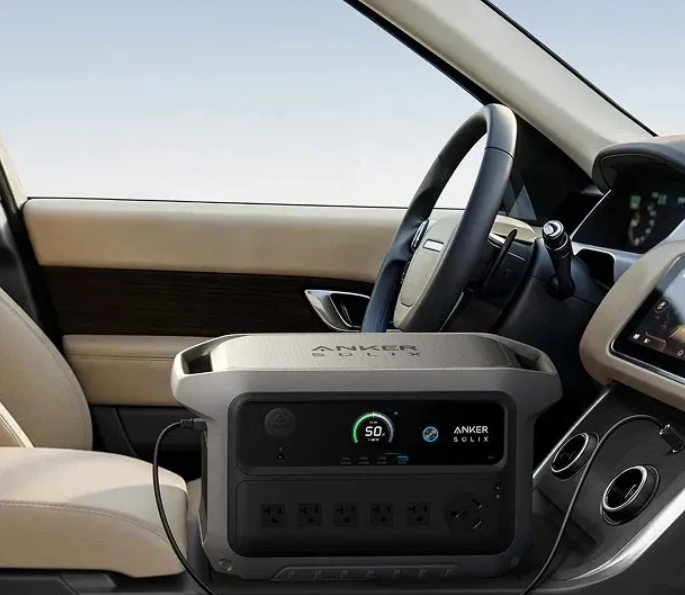
A weekend trip is a good opportunity to choose a portable power station that matches your devices, travel style, and charging options. The right capacity depends on the appliances you bring, how often they run, and how the battery will recharge. Output power matters when several devices operate together, while weight and packing space shape the experience on the road. A useful setup balances energy, convenience, and safe operation rather than chasing the largest number. In this article, we explain how to size a portable power station for a weekend trip.
Estimate the Energy You Need
List Essential and Optional Devices
Start with the devices that must keep working: phones, lights, a fan, a camera, or medical equipment. Add optional items such as a coffee maker, electric cooler, or projector only after the essentials are covered. Write down the power rating and expected hours of use for each device. When a label provides energy in joules, finding watts from joules can help convert that figure into a more useful runtime estimate. Separate short tasks from continuous loads so the total is realistic. A clear device list prevents guesswork before the trip begins. The best result usually comes from comparing several realistic scenarios rather than one ideal day.

Convert Loads Into Watt-Hours
Multiply running watts by hours of use to estimate watt-hours. A 50-watt cooler running for six hours needs roughly 300 watt-hours, before adding a practical reserve for real-world use. Phones and cameras use very little energy by comparison, while heaters and kettles consume large amounts quickly. Group the results into essential, useful, and optional totals. Compare those totals with usable battery capacity rather than nominal capacity alone. The estimate becomes the foundation for choosing a realistic power station size. It is also useful to separate essential needs from optional loads before making a final decision. Monitoring the system after installation shows whether the original assumptions remain accurate.
Match Output and Charging
Check Continuous and Surge Power
Match the station’s continuous and surge output to the appliances you plan to use. Check the station’s continuous output and short-term surge rating. A cooler, pump, or compressor may need a startup surge well above its normal operating power. Add the devices that will run together rather than assuming the station can support every item at once. Plan high-power tasks around one another to stay within the limit. Matching output to the actual load prevents overload trips and protects the equipment. Monitoring the system after installation shows whether the original assumptions remain accurate. Where equipment is involved, the electrical limits and service requirements deserve the same attention as capacity.
Plan Wall, Car, and Solar Charging
A weekend station needs a realistic way to recharge. Wall charging is fastest when mains power is available, while a car outlet is useful during travel. Portable solar panels can extend the trip when sunlight is reliable, but weather and panel placement create variation. Check the charging time for each method and whether the station can charge while powering devices. A short top-up during lunch may be more useful than waiting for a full recharge. Charging options should match the route and the campsite. Where equipment is involved, the electrical limits and service requirements deserve the same attention as capacity. A simple checklist can prevent important details from being forgotten during planning or maintenance.
Balance Portability and Safety
Consider Weight, Shape, and Storage
Choose a capacity that matches the way you transport and handle the station. Compact options are easy to carry, while larger units provide more energy for longer use. Check the dimensions with handles and cables included, then decide where the station will travel in the vehicle or trailer. Protect the display and ports from impact and keep the unit away from water and direct sun. A station that is easy to carry is more likely to be used than one that requires two people to move. Balance capacity against the rest of the camping gear. Practical handling matters throughout the trip, not only during setup.
Use Outputs and Cables Correctly
Use the correct outlets for each device and avoid daisy-chaining extension leads unnecessarily. Keep cables dry, untangled, and protected from sharp edges. Do not cover the station while it is charging, because ventilation helps manage heat. Check that the inverter output is suitable for sensitive electronics. Switch off unused outlets to reduce standby drain. Simple operating habits improve safety and make the available energy last longer. The plan should leave a sensible reserve for unusual weather, unexpected demand, and future changes. Comparing cost with useful performance is more reliable than judging a system by one specification alone. The household should understand how to operate the system safely and what to do when conditions change.
Conclusion
Sizing a portable power station for a weekend trip starts with a device list, realistic hours of use, and a watt-hour estimate. Match capacity with continuous and surge output, then plan how the station will recharge. Keep weight, packing, ventilation, and cable safety in view. A balanced system is more useful than one that is oversized, difficult to carry, or unable to run the appliances that matter. Reviewing the results over time will show whether the approach still matches the home’s needs.