

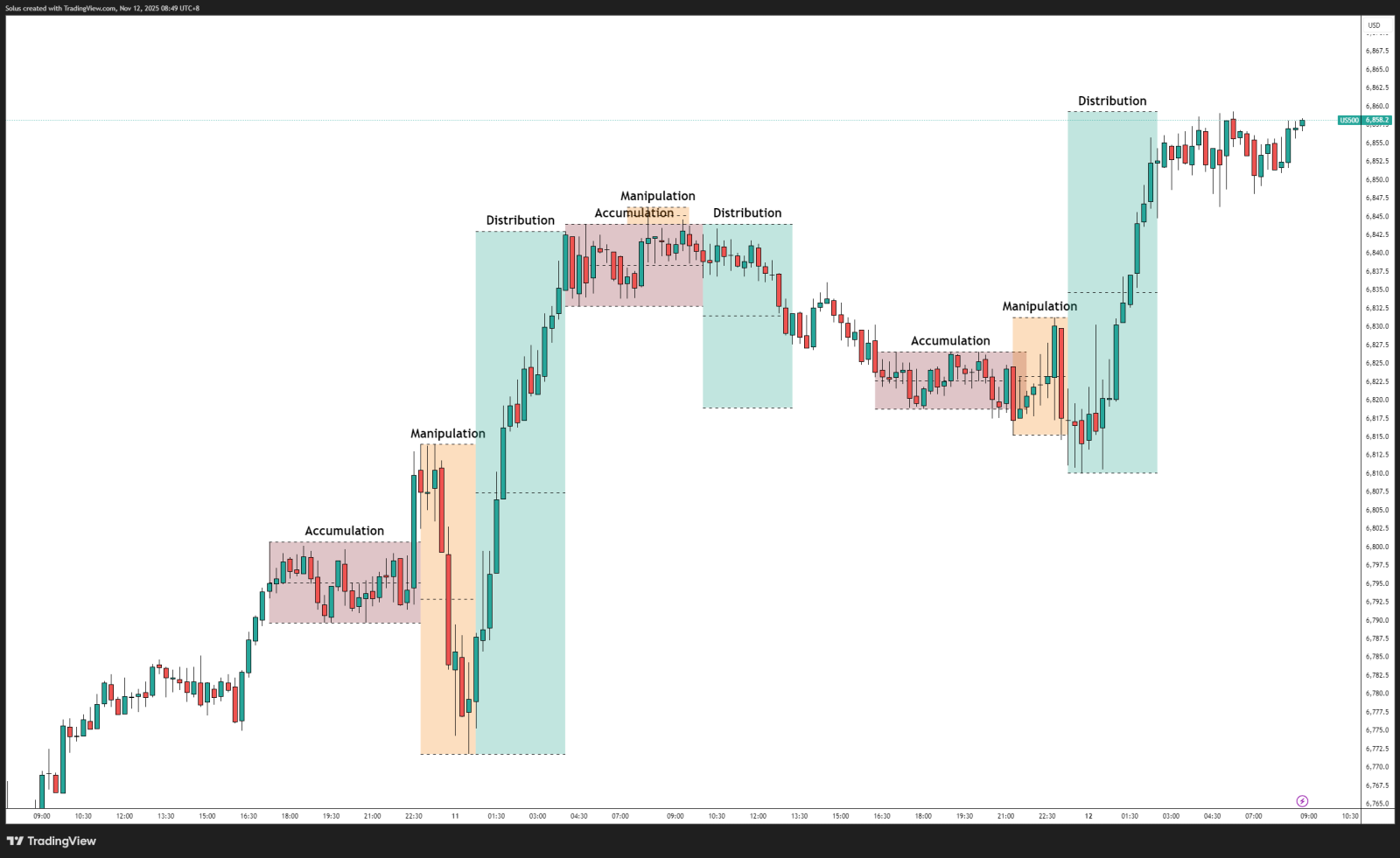
A sudden wave of public attention can make a stock, asset, or company story look bigger than it really is. A founder gives an interview, a celebrity-backed brand reaches the headlines, an entrepreneur announces a deal, or a business figure becomes the center of online discussion, and people quickly notice the chart. A Pocket Option guide to how a market maker works is useful here because it explains the trading structure behind the price people see first.
That structure matters for anyone reading about public figures, fast-growing founders, brand owners, influencers, or companies that become popular through media attention. A strong story can bring buyers and sellers into the market, but attention alone does not guarantee smooth trading. Liquidity, quoted prices, bid ask spreads, order depth, and market maker activity all shape whether trading feels steady or expensive once the crowd arrives.
Public attention can move faster than liquidity
A business story can spread in minutes. One interview clip, product launch, earnings headline, lawsuit, partnership, or social media post can send people searching for the company behind it. In that first burst of interest, the price may move quickly because buyers and sellers are reacting at the same time, often with incomplete information.
Liquidity decides how well the market absorbs that reaction. In a liquid market, there are enough buyers and sellers close to the current price, so orders can move through with less disruption. In a thin market, the same level of attention can create sharper price moves because fewer orders are waiting nearby.
What a market maker actually does
A market maker supports trading by quoting prices at which it is willing to buy and sell. The buying quote is the bid. The selling quote is called the ask. The difference between those two prices is the spread, and that spread helps show how costly it may be to enter or exit a position.
This scenario does not mean a market maker decides the entire market price alone. Markets are shaped by buyers, sellers, brokers, exchanges, algorithms, institutions, news, and retail activity. The market maker works inside that activity by providing quotes and managing inventory risk. If sellers arrive first, it may buy. If buyers come later, it may sell.
That function becomes easier to understand when public attention spikes. The market maker is not reacting to fame as a cultural event. It is reacting to order flow, uncertainty, volatility, and the risk of holding inventory while the price may change quickly.

The bid ask spread shows more than the last price
Many casual market watchers look only at the last traded price. That number is useful, but it can hide the real cost of trading. The bid ask spread often gives a clearer view of current conditions because it shows the gap between what buyers are offering and what sellers are asking.
A narrow spread usually suggests stronger liquidity and more active quoting. A wide spread may point to uncertainty, lower volume, fast-moving news, or limited order depth. During calm conditions, the spread may stay relatively steady. During viral attention or breaking news, it can change quickly.
For bid ask spread explained in plain terms, imagine a stock last traded at $20.00, but the best bid is $19.80 and the best ask is $20.20. A person buying immediately pays close to the ask. A person selling immediately receives a price close to the bid. The chart may show $20.00, but the actual trading experience includes that gap.
Why market makers adjust prices during fast news
Market makers carry inventory risk. If they buy from sellers and the price falls before they can sell, they may incur a loss. When they sell to buyers, the risk shifts in the other direction if the price rises before they can balance the position. The spread helps compensate for that uncertainty.
When public news is calm, quoting can be tighter because the next price movement feels easier to manage. When a company becomes a trending topic, announces results, faces a scandal, receives celebrity attention, or appears in takeover rumors, the next move becomes harder to judge. Quotes may widen because the risk of being on the wrong side of sudden order flow increases.
This is why market liquidity and spreads matter in business coverage. A stock can appear exciting because the chart is moving, but the spread may show that trading conditions are less comfortable than the headline suggests. The more emotional the crowd becomes, the more useful it is to look beyond the last price.
Public figures, founders, and market reaction
Markets often respond to people as much as products. A founder’s reputation can influence investor confidence. A celebrity partnership can bring a brand into public discussion. An entrepreneur’s public image can shape how people talk about a company’s future. That does not mean attention always creates durable value, but it can bring short-term trading activity.
A reader following public figure stock impact should separate narrative from execution. The story explains why people are watching. The trading data explains how that attention is being absorbed. Volume, spread, order depth, and volatility can show whether the market is responding with broad participation or with a thin burst of activity.
This distinction matters because fame can make a business feel larger than its trading conditions support. A company may receive huge media attention while still trading with uneven liquidity. A smaller stock may become popular for a day, yet still be difficult to enter or exit at expected prices.
A quick way to read trading conditions
Instead of treating price movement as a complete story, market watchers can use a simple reading habit. It does not require professional tools, but it does require looking at more than one number.
Before reacting to a fast-moving asset, check:
- Spread behavior. A wider spread can make entry and exit pricier.
- Trading volume. Higher volume may show broader participation, while thin volume can make moves less reliable.
- News timing. Earnings, interviews, lawsuits, product launches, and viral posts can change order flow quickly.
- Market depth. Fewer orders near the current price can make the asset move sharply.
- Exit conditions. A trade that is simple to enter may still be difficult to close at the expected price.
Market maker activity versus manipulation
A common misunderstanding is to treat market makers as if they simply control prices for their benefit. Market making and manipulation are different ideas. Market making is a liquidity function. Manipulation involves misleading activity, false signals, or abusive attempts to influence prices unfairly.
A market maker can affect the quotes available at a specific moment because it chooses where to place bid and ask prices. At the same time, it operates in a competitive environment. If its quotes are unattractive, order flow may move elsewhere, and other participants may provide better prices.
The better way to read market maker activity is through risk and incentive. Market makers quote prices because spreads can provide compensation, but they also need to avoid sudden information shocks, aggressive order flow, and inventory losses. That is why spreads may widen during uncertain moments and tighten when conditions become easier to manage.
Market conditions behind public attention
Public attention can make market movement visible, but liquidity decides how smooth that movement feels. A trending founder, a celebrity-backed product, or a business story can bring people to the chart. Market makers, spreads, volume, and order depth help determine what those people actually experience when they try to trade.
| Public event | Possible market reaction | What to check before reading the move |
| Founder interview | More people may search and trade the stock | Whether volume rises with tighter or wider spreads |
| Celebrity partnership | Short-term attention may increase | Whether liquidity supports the new interest |
| Earnings release | Price may move quickly in either direction | Whether spreads widen during the announcement window |
| Product controversy | Selling pressure may grow | Whether market depth weakens near the current price |
| Takeover rumor | Buying interest may rise suddenly | Whether the move is supported by confirmed information |
Reading price action with more context
Market makers are only one part of the trading system, but their function helps explain why quoted prices exist and why conditions can change when attention, uncertainty, or volume rises. They help maintain bid and ask prices, manage inventory risk, and support trading continuity in markets that would otherwise depend on perfectly matched buyers and sellers at every moment.
For anyone following entrepreneurs, public companies, brand stories, or market-moving news, this context makes price movement easier to interpret. A rising chart may show demand, but the spread, liquidity, and execution conditions show whether that demand is easy to trade. Public attention may start the conversation, yet market structure decides how that attention appears in real trading activity.