

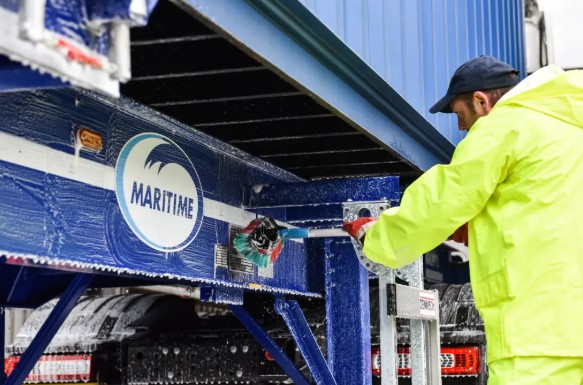
Running a commercial fleet is a constant balancing act. From meeting delivery deadlines and managing driver availability to maintaining vehicles and controlling operating costs, fleet managers have numerous priorities competing for attention. One area that can easily be treated as secondary is vehicle cleanliness. Yet, a structured approach to fleet cleaning can contribute to smoother day-to-day operations, stronger vehicle presentation and better overall fleet management. Regular cleaning removes accumulated road grime, traffic film and other contaminants before they become more difficult to manage, while a planned programme can fit around vehicle movements rather than disrupting them.
For businesses operating HGVs, vans, trailers, refuse collection vehicles and specialist commercial vehicles, cleaning is not simply about appearance. It can become part of a wider maintenance and operational routine. When vehicles are cleaned consistently, teams have a better opportunity to monitor their condition, maintain professional standards and keep cleaning activities aligned with existing schedules. This makes the process more predictable and helps businesses avoid the disruption associated with unplanned or infrequent washing.
Keeping Vehicles Ready for Daily Operations
Commercial vehicles spend long hours on roads, loading areas, industrial estates and customer sites. As a result, they are exposed to mud, dust, road salt, traffic film, oil residue and other forms of surface contamination. If this build-up is allowed to remain for extended periods, cleaning can become more time-consuming and difficult.
A regular washing routine provides a more manageable approach. Instead of waiting until vehicles become heavily soiled, operators can arrange cleaning at suitable intervals based on mileage, routes, vehicle type and working conditions. This helps maintain a consistent standard across the fleet and makes cleanliness a routine operational task rather than an occasional corrective exercise.
Reducing Unnecessary Vehicle Downtime
Every hour a commercial vehicle is unavailable can affect productivity. Sending vehicles to an external wash facility may require additional travel, waiting time and coordination. For larger fleets, these small interruptions can accumulate across multiple vehicles and sites. On-site cleaning provides a practical alternative. Mobile teams can carry out washing at depots, yards or operating locations, allowing cleaning to take place while vehicles are already based there. Depending on operational requirements, visits can be arranged during quieter periods, evenings, mornings or weekends. This approach can help businesses integrate vehicle washing into their existing routines rather than treating it as a separate activity requiring additional vehicle movements. The result is a cleaning programme that is more closely aligned with fleet availability.
Supporting Vehicle Condition Monitoring
Cleaning also creates a useful opportunity for closer visual inspection. When dirt and traffic film are removed regularly, surfaces, lights, mirrors, bodywork and other visible areas are easier to examine. This does not replace professional vehicle inspections or maintenance checks, but it can make obvious issues easier to notice. Damage, loose components, worn areas or changes in vehicle condition may become more visible when heavy grime is no longer covering the surface.
Making Cleaning More Convenient for Multi-Site Fleets
Managing vehicles across several locations introduces additional complexity. A cleaning arrangement that works well for one depot may not automatically suit another site because operating hours, vehicle availability, access arrangements and drainage conditions can differ. A flexible cleaning programme can address these practical considerations. Cleaning visits can be planned around the way individual sites operate, while broader schedules can help maintain consistency across the wider fleet.
This is where mobile cleaning can be particularly useful. Rather than requiring every vehicle to travel to a central wash facility, cleaning can be delivered closer to where vehicles are normally based. For businesses with geographically dispersed operations, that can make regular washing easier to coordinate.
Creating a Consistent Cleaning Routine
There is no universal cleaning frequency that suits every commercial fleet. A local delivery van operating short urban routes may have different requirements from an HGV travelling long distances in poor weather. Vehicle type, mileage, route conditions, seasonality and customer expectations can all influence how frequently cleaning should take place.
The key is consistency. Rather than relying on occasional washes when vehicles become visibly dirty, fleet managers can establish a schedule that reflects actual operating conditions. Weekly, fortnightly or other agreed arrangements can then be incorporated into normal fleet planning. This structured approach can make cleanliness easier to manage while reducing the administrative burden of arranging individual washes whenever a vehicle requires attention.
Choosing an On-Site Cleaning Partner
For businesses looking to make regular washing more efficient, choosing a provider capable of working around operational requirements is important. Coverage, scheduling flexibility, vehicle expertise, reporting and site procedures should all be considered before establishing a long-term arrangement.
Mobile Fleetwash is positioned around on-site commercial vehicle cleaning, supporting different types of fleets at depots, yards and operating locations across the UK. Their service model is designed to accommodate different vehicle types and operating schedules, while their nationwide network enables businesses with multiple locations to establish coordinated cleaning arrangements. The company also places emphasis on structured service delivery, operational flexibility and reporting, which can help fleet managers maintain greater oversight of their cleaning programmes.
Conclusion
A clean fleet is not merely a matter of presentation; it can support better organisation, vehicle readiness and operational consistency. When washing is planned around vehicle availability, businesses can reduce unnecessary movements, maintain professional standards and make cleaning a predictable part of their fleet routine. Regular attention can also make visible vehicle conditions easier to monitor and provide useful records for management purposes.
For operators seeking a practical way to build consistency into their vehicle maintenance routines, mobile fleet cleaning UK services can provide a convenient option by bringing professional cleaning directly to working sites. With the right schedule and a provider that understands commercial fleet demands, cleaning can become an integrated part of efficient fleet management rather than another source of operational disruption. Mobile Fleetwash offers an established on-site approach that can be adapted to different vehicle types, locations and schedules, making it a relevant consideration for businesses seeking dependable nationwide support.