

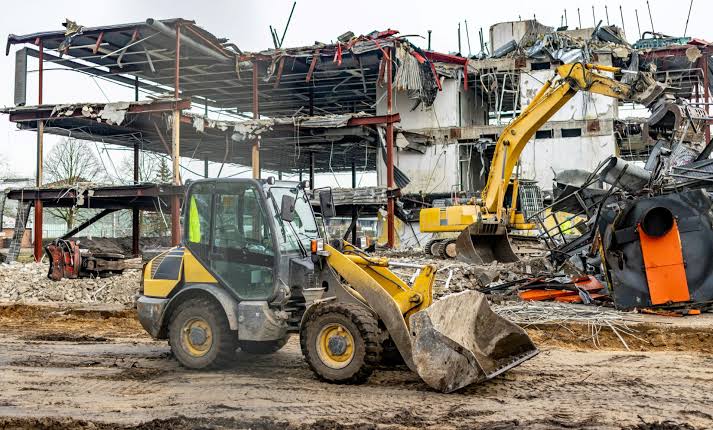
Demolition may look like a single stage of a property project, but complex jobs often involve many smaller activities that need to happen in a deliberate order. Interior areas, exterior components, utilities, access routes, and debris may all affect what crews can safely and efficiently address next. Removing materials in the wrong sequence can create obstacles for work that follows.
A well-planned sequence establishes which areas should be addressed first and which need to remain accessible until later. An experienced Demolition Contractor can consider project boundaries, equipment access, surrounding features, and upcoming construction when organizing that order. The objective is not simply to remove materials quickly but to leave each completed area ready for the next planned activity.
This approach becomes especially useful when demolition is one part of a larger renovation or redevelopment schedule. Dump Brothers Demolition can coordinate removal around the practical requirements of the overall project rather than treating every section as an independent task. Thoughtful sequencing helps create a predictable transition from existing conditions to a site prepared for future work.
Demolition Order Should Follow the Overall Project Plan
The best sequence begins with understanding what the completed property is supposed to become. Removal decisions are easier to organize when crews know which areas will be renovated, rebuilt, preserved, or used for access during later stages.
A project involving several rooms may not benefit from opening every area simultaneously. Some spaces might need to remain intact while another section is cleared and prepared for contractors. Larger projects can require even more deliberate separation between active work zones.
Reviewing the broader construction plan helps establish these priorities. Demolition then becomes a coordinated first step in redevelopment rather than an isolated process focused only on what needs to disappear.
Access Routes Can Determine Which Areas Come First
Crews need practical routes for moving workers, tools, equipment, and debris. A planned removal that blocks an important doorway or pathway too early can make later tasks unnecessarily difficult.
Access should therefore be considered before major work begins. The route that looks convenient at the start may need to remain available throughout several stages of removal. Equipment size and the location of debris collection areas can also influence these decisions.
Dump Brothers Demolition & Junk Removal can account for these logistical needs while establishing a work sequence. Maintaining useful access for as long as necessary helps prevent completed demolition from creating new obstacles elsewhere on the property.
Utility Coordination Can Influence the Schedule
Demolition can involve areas containing electrical, plumbing, gas, water, or mechanical systems. Appropriate utility identification and coordination may therefore need to occur before certain materials or sections can be disturbed.
Different areas can have different requirements. One portion of a project may be ready for removal while another depends on utility-related preparation by qualified professionals. Treating both areas as if they are equally ready can interrupt progress.
Scheduling these dependencies early helps crews focus on work that can proceed while other preparations are completed. This creates a more organized workflow than discovering a utility conflict only after demolition reaches the affected section.
Interior Projects Often Benefit From Staged Removal
Large interior renovations may include kitchens, bathrooms, flooring, walls, ceilings, and other components. Removing everything at once can create a crowded work environment filled with mixed debris and overlapping activities.
Begin With Clearly Defined Areas
Breaking the project into zones makes progress easier to track. Crews can complete targeted removal in one area before shifting attention to another section.
Keep Necessary Routes Open
Hallways, doors, stairs, and other circulation areas may need to remain functional while work progresses. Their availability should influence the order in which surrounding materials are removed.
Staging helps maintain clearer boundaries between active demolition, completed areas, and sections waiting for future work.
Debris Removal Should Be Part of the Sequence
Demolition creates material continuously, which means debris management should not be viewed only as a final cleanup task. Allowing discarded material to accumulate can reduce working space and interfere with movement around the property.
The work sequence can account for how debris will leave each area. Crews need practical paths from removal zones to collection points without repeatedly crossing sensitive or completed sections.
A Demolition Contractor can coordinate removal activities with debris handling so cleared materials do not become barriers to the next phase. Regular site organization supports both efficiency and a clearer working environment.
Structural Dependencies Require Careful Planning
Some components of a building interact with surrounding construction in ways that may not be obvious from finished surfaces. Demolition involving structural elements requires appropriate evaluation and planning before removal begins.
This is especially important when only part of a building is being changed. The project may need to preserve adjoining areas while selected sections are removed according to approved plans.
Sequencing should follow professional project requirements rather than assumptions about which components appear easiest to remove. A deliberate approach helps ensure that removal remains aligned with the intended construction strategy.
Preserved Areas Need Consideration Throughout the Work
Many projects combine demolition with preservation. A property owner may be changing one section while keeping nearby rooms, exterior features, or structural components.
The demolition sequence should account for these areas from beginning to end. Work that produces dust, debris, vibration, or heavy traffic may need to be organized to reduce unnecessary effects on portions scheduled to remain.
Dump Brothers Demolition can work within defined project boundaries while keeping preserved areas in mind. Sequencing becomes particularly valuable when demolition must progress close to features that will eventually become part of the finished renovation.
Equipment Movement Can Shape the Work Order
Larger demolition projects may require machinery or specialized equipment. The ability to position and move that equipment can determine which sections are practical to address at different stages.
Removing a feature too early could eliminate a useful equipment route. In other cases, clearing one area first may create the access needed to reach another portion of the property more efficiently.
Equipment planning should occur before the work zone changes significantly. Understanding where machinery needs to travel helps prevent the project from accidentally limiting its own options as demolition progresses.
Weather Can Affect Exterior Sequencing
Exterior projects introduce conditions that interior work may not face to the same degree. Rain, wind, saturated ground, and other weather conditions can affect access, debris handling, and the practical order of certain activities.
A rigid sequence with no flexibility may become difficult when conditions change. Project planning can identify tasks that depend heavily on weather and others that may remain practical under different circumstances.
This does not mean crews should continually change the plan without reason. Instead, the schedule can include enough flexibility to respond to real site conditions while preserving the overall logic of the demolition sequence.
Each Completed Stage Should Support the Next Trade
Demolition usually prepares a property for something else. Builders, electricians, plumbers, landscapers, or other professionals may need access after removal is complete, depending on the project.
The condition of the work area matters to those later stages. Leaving unnecessary debris, incomplete boundaries, or inaccessible sections can delay contractors who expected to begin their work.
Sequencing should therefore consider handoff points. Finishing a defined area completely before the next trade arrives can create a cleaner transition than leaving several partially completed demolition zones throughout the property.
Schedule Changes Should Be Communicated Clearly
Complex projects rarely remain completely unchanged from beginning to end. Hidden conditions, revised renovation plans, access concerns, or scheduling changes can affect the original demolition sequence.
When changes occur, communication becomes essential. Property owners and project professionals should understand whether a revised sequence affects other contractors, debris removal, equipment access, or preserved areas.
A Demolition Contractor can then adjust the work plan without losing sight of broader project dependencies. Documented changes are particularly useful when several parties rely on the completion of different demolition stages.
Good Sequencing Reduces Unnecessary Backtracking
Poorly ordered work can require crews to revisit areas that seemed complete. Materials may need to be moved twice, access routes reopened, or additional removal performed because a later stage was not considered earlier.
Thoughtful sequencing reduces this unnecessary repetition. Each activity should ideally move the property closer to the condition required for subsequent construction rather than creating work that must later be undone.
The benefit is not simply speed. An organized sequence makes responsibilities, progress, and upcoming requirements easier for everyone involved in the project to understand.
An Organized Demolition Sequence Creates a Better Transition to Construction
Complex demolition becomes easier to manage when the project is divided into logical stages. Access, utilities, debris, equipment, preserved features, structural requirements, and future construction all influence which activities should happen first and which should wait.
A carefully planned order also makes progress easier to evaluate. Instead of opening every work area simultaneously, crews can complete defined sections and prepare them for the contractors or improvements that follow.
Dump Brothers Demolition can approach sequencing as part of the larger property plan, connecting removal with what needs to happen afterward. When each demolition stage supports the next one, the project can move forward with fewer avoidable conflicts and a clearer path from existing conditions to future construction.