

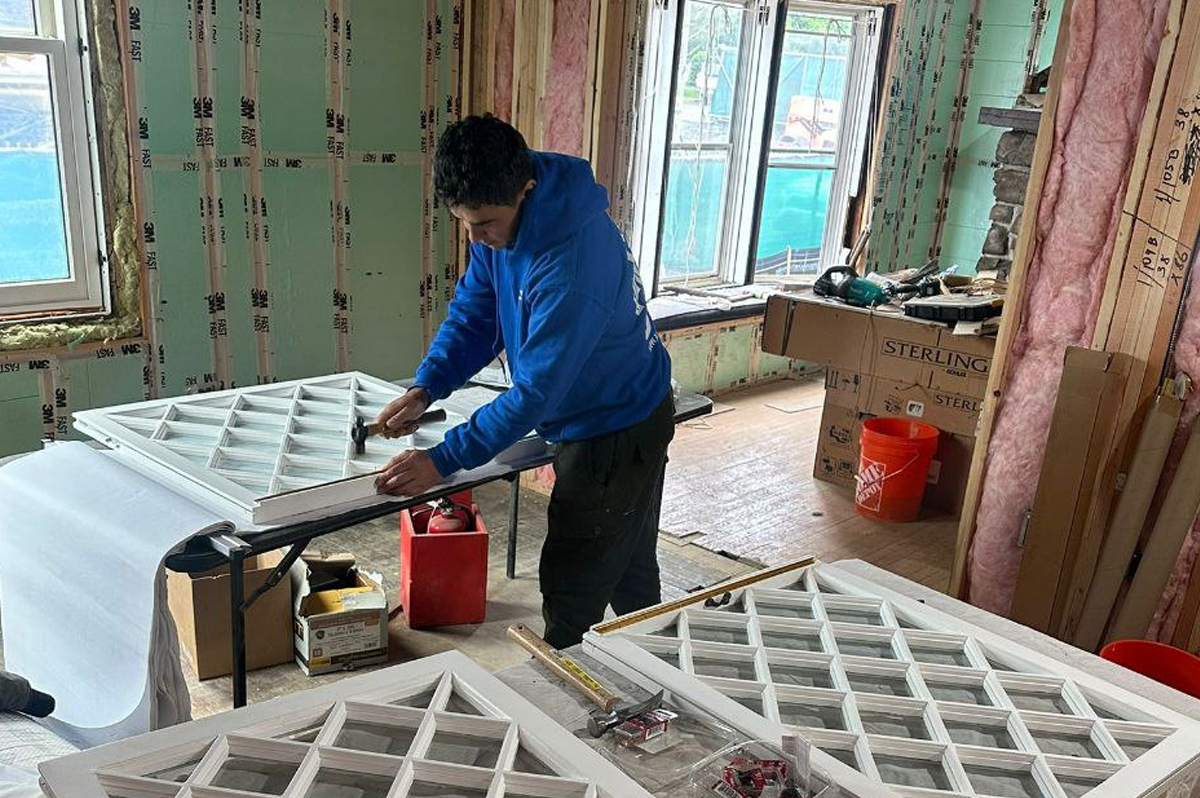
Older homes often derive much of their personality from original architectural details, and windows can be among the most visible of those features. Their proportions, profiles, glass, trim, and craftsmanship contribute to a building’s appearance in ways that newer components may not easily reproduce. Seasonal weather, however, places changing demands on these features throughout the year.
Historical Windows can experience moisture, temperature fluctuations, direct sunlight, wind, and ordinary material movement as seasons change. Effective maintenance is therefore less about responding to one isolated problem and more about observing how each window behaves over time. Regular attention can help homeowners identify developing concerns while respecting the materials and details that give an older property its distinctive character.
Speaks Custom Windows and Doors can help homeowners evaluate older window systems with their architectural significance in mind. Seasonal inspections provide opportunities to notice changes before deterioration becomes extensive. A thoughtful maintenance approach focuses on preserving function and appearance together rather than automatically treating age itself as a reason to remove an original feature.
Begin Spring With a Careful Visual Inspection
Spring provides a useful opportunity to evaluate windows after months of colder weather. Homeowners can walk through the property and look for changes in finishes, joints, trim, glazing areas, and other visible components.
The inspection should include both interior and accessible exterior surfaces. Peeling finishes, staining, visible gaps, loose components, or changes in operation can indicate areas that deserve closer professional evaluation.
Speaks Custom Windows and Doors can assess concerns that are difficult to interpret through appearance alone. Documenting observations with photographs can also help homeowners compare conditions from one season to another and determine whether a particular issue is stable or gradually changing.
Check Window Operation as Temperatures Change
Materials naturally respond to changes in temperature and humidity. A window that operates comfortably during one season may become more difficult to open or close when environmental conditions shift.
Homeowners should notice recurring patterns instead of immediately forcing a stubborn sash or other moving component. Excessive force can potentially damage hardware, finishes, or surrounding materials without addressing the reason operation has changed.
A seasonal record can be useful in older properties. If the same opening behaves differently every summer or winter, that pattern provides valuable information when discussing maintenance or possible corrective work with a knowledgeable professional.
Watch for Moisture After Spring Rain
Rain can reveal exterior conditions that remain less obvious during dry periods. Homeowners can inspect accessible areas around windows after significant weather and look for unusual staining, persistent dampness, or visible deterioration.
Examine Surrounding Materials as Well
A moisture concern near a window does not necessarily originate from the window itself. Exterior trim, siding, masonry transitions, flashing-related details, or other surrounding components can influence how water moves around an opening.
Historical Windows should therefore be evaluated as parts of larger wall systems. Looking beyond the sash or glass helps homeowners avoid assuming that every visible symptom has the same cause.
Review Painted and Finished Surfaces
Protective finishes play an important role in maintaining many older window materials. Paint or another appropriate finish can deteriorate gradually because of sunlight, moisture, temperature changes, and normal aging.
Homeowners can look for cracking, peeling, exposed material, or areas where the finish appears noticeably different from surrounding sections. Early identification may make maintenance more manageable than waiting until deterioration becomes widespread.
Speaks Custom Windows and Doors can help determine when visible conditions warrant further attention. Maintenance methods should remain compatible with the specific window materials and finishes rather than relying on aggressive techniques that could unnecessarily affect historic details.
Use Summer to Observe Sun Exposure
Summer conditions can reveal how differently windows age depending on their orientation. Openings exposed to strong afternoon sunlight may experience different conditions from windows located beneath porches or on shaded elevations.
Homeowners should compare similar windows around the property instead of assuming they all require identical maintenance schedules. One side of a house may need more frequent observation simply because it receives greater environmental exposure.
Interior conditions can provide additional clues. Strong sunlight may affect nearby finishes, furnishings, and window treatments, making seasonal observation useful for both architectural maintenance and everyday comfort.
Keep Tracks and Moving Areas Free of Debris
Dust, small particles, insects, and ordinary outdoor debris can collect around accessible moving components. Accumulation may interfere with smooth operation or make homeowners believe a larger mechanical problem has developed.
Gentle routine housekeeping around these areas can reduce unnecessary buildup. Care should be appropriate for the materials involved, particularly when surfaces are old, delicate, or historically significant.
If operation remains difficult after accessible debris is removed, repeatedly forcing the window is not a useful solution. Professional evaluation can help determine whether hardware, alignment, material condition, or another factor deserves attention.
Examine Exterior Conditions Before Autumn
Autumn is a practical time to review windows before colder weather arrives. Homeowners can revisit concerns identified during spring and summer to determine whether conditions have changed.
Visible trim, finishes, glazing-related areas, and surrounding exterior transitions can be inspected from safely accessible locations. Any significant deterioration should be considered before severe weather makes exterior work more difficult.
Speaks Custom Windows and Doors can evaluate older openings when homeowners are uncertain whether a condition represents routine aging or a more substantial concern. Addressing questions before winter provides more time for thoughtful decisions rather than rushed responses during uncomfortable weather.
Avoid Covering Historic Details Without Evaluation
Homeowners sometimes respond to seasonal discomfort by quickly adding materials around older windows. While the intention may be practical, changes can affect operation, appearance, or historically significant components.
Before making substantial alterations, it is useful to understand which parts of the opening contribute to its architectural character. Original trim profiles, hardware, glass, and sash proportions may all be important features.
A solution that addresses one seasonal concern should not automatically sacrifice valuable details. Careful evaluation can help homeowners distinguish between appropriate maintenance and changes that unnecessarily alter the character of the opening.
Observe Winter Drafts Carefully
Cold weather can make air movement around windows more noticeable. Homeowners may feel discomfort near an opening and immediately assume that the entire window requires replacement.
Drafts deserve investigation, but their source should be understood before conclusions are made. Conditions around trim, moving components, surrounding construction, or other parts of the opening may contribute to what occupants experience.
Historical Windows often contain multiple components that should be considered together. A careful assessment provides better information than judging the entire assembly based solely on one cold day or a single uncomfortable location.
Monitor Interior Condensation Patterns
Condensation can appear under certain combinations of indoor humidity, outdoor temperature, and surface conditions. Homeowners should observe when and where it occurs rather than assuming every instance indicates the same underlying issue.
Patterns can provide useful information. Condensation appearing only during particular weather may differ from persistent moisture or staining that remains regardless of seasonal conditions.
Speaks Custom Windows and Doors can help homeowners evaluate window-related concerns within the broader context of the opening. Observing timing, location, and frequency before seeking guidance makes it easier to describe what is actually occurring.
Protect Architectural Character During Maintenance
Maintenance work on an older home should recognize that windows contribute to more than basic enclosure. Profiles, proportions, hardware, trim, and other details often support the architectural identity of the entire facade.
Homeowners can document these characteristics before repairs or maintenance begin. Photographs and measurements provide useful references if components must be temporarily removed or work affects surrounding finishes.
This documentation becomes particularly valuable when several openings share repeated details. Preserving consistency helps ensure that maintenance does not gradually create noticeable differences between windows that were originally designed as a coordinated architectural system.
Keep a Simple Seasonal Maintenance Record
Older homes benefit from observation over time because gradual changes can be difficult to remember accurately. A basic record does not need to become a complicated property-management system.
Homeowners can note which openings were inspected, what conditions were observed, and whether professional attention was recommended. Photographs taken from similar positions each year can provide additional comparison.
These records can also prevent unnecessary repeated work. Knowing that a particular condition has remained stable for several seasons provides different information from discovering that it has noticeably progressed within a few months.
Match Maintenance to Exposure Rather Than Age
Two windows installed at the same time can age differently because their environments are not identical. Sun, wind, rain, landscaping, roof overhangs, and building orientation all influence exposure.
Maintenance schedules should respond to these differences. A protected opening beneath a deep porch may not require the same attention as one facing strong weather on an exposed elevation.
Treating every old window as equally vulnerable can lead to unnecessary work in some locations while overlooking areas experiencing greater stress. Property-specific observation creates a more useful long-term maintenance strategy.
Preserve Character Through Consistent Seasonal Attention
Maintaining older windows does not require waiting until a serious problem becomes obvious. Spring inspections, summer exposure checks, autumn preparation, and winter observation can create a practical cycle for understanding how individual openings respond throughout the year.
Historical Windows deserve an approach that considers function, materials, surrounding construction, and architectural significance together. Regular observation can reveal changing conditions while giving homeowners time to choose appropriate responses rather than making hurried decisions based on one seasonal symptom.
With guidance from Speaks Custom Windows and Doors, homeowners can develop a maintenance approach suited to the age and character of their property. Consistent seasonal attention helps preserve distinctive architectural details while keeping window care focused, informed, and responsive to the conditions each opening actually experiences.