

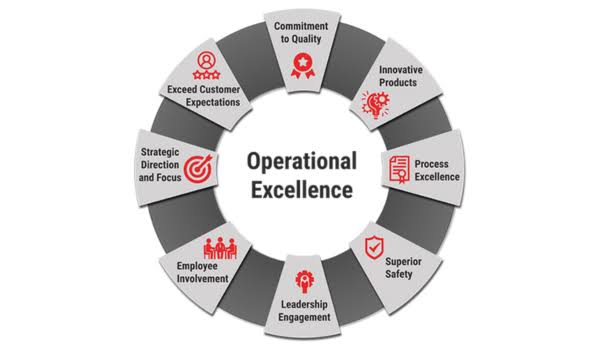
In today’s fast-paced commercial landscape, operational errors and workflow inefficiencies represent high hidden costs that eat away at profit margins, delay project timelines, and erode customer trust. Recurring workplace mistakes are rarely the result of individual employee negligence; instead, they typically signal underlying systemic bottlenecks, ambiguous communication, or outdated process frameworks. Implementing structured, proactive strategies to eliminate operational friction creates an agile, highly productive organization. Streamlining internal workflows allows your business to maximize output, protect quality standards, and achieve sustainable long-term commercial growth.
Standardize Workflows and Document Core Operating Procedures
One of the most immediate ways to reduce operational errors across any enterprise is establishing clear, standardized operating procedures. When employees rely on memory, informal training, or personal preference to complete daily tasks, procedural variations inevitably introduce inconsistent output quality and frequent operational mistakes.
Develop comprehensive, step-by-step Standard Operating Procedures for every routine administrative, technical, and manufacturing process. Document these workflows clearly using digital process maps, visual checklists, and accessible central reference repositories. Standardized documentation ensures that every team member executes tasks with identical precision, establishing a predictable baseline for daily operational success.
Regularly review and update standard operating procedures to incorporate process improvements, software updates, and evolving safety guidelines. Involving frontline staff in procedural updates fosters personal accountability and guarantees that documentation matches real-world daily workflows accurately. Clear operating standards remove operational ambiguity and significantly reduce human error rates across all departments.
Automate Repetitive Tasks and Eliminate Manual Data Entry
Manual data entry, paper-based tracking systems, and repetitive administrative routines are inherently prone to human error, especially during high-volume work cycles. Relying on manual input for inventory tracking, billing, or client scheduling absorbs valuable employee time that could be spent on high-value strategic initiatives.
Identify repetitive, time-consuming tasks across your organization that can be automated using modern digital workflow software. Automating invoice processing, customer onboarding, status notifications, and inventory updates accelerates task execution while ensuring absolute data accuracy across all connected systems.
Automating routine administrative tasks also reduces cognitive fatigue among your workforce, allowing employees to maintain sharp focus during complex, critical operations. Transitioning from manual input to automated digital systems transforms operational speed, eliminates clerical mistakes, and optimizes total workforce productivity.
Implement Recognized Quality Management Systems
Formalizing your internal workflows through internationally recognized management frameworks provides a structured, proven roadmap for continuous operational improvement. Aligning daily operations with established quality frameworks transforms abstract efficiency goals into repeatable, measurable daily behaviors.
Partnering with specialized advisors for expert ISO 9001 consulting allows organizations to design customized quality management systems that streamline internal workflows, enforce rigorous compliance standards, and eliminate redundant operational steps. Formalizing quality processes ensures that standardized procedures, corrective action protocols, and performance metrics remain consistent across all corporate divisions and facility locations.
Regularly auditing your workflows against certified quality management standards guarantees organizational alignment and operational discipline. Leveraging structured quality frameworks provides a resilient foundation that sustains operational efficiency through rapid scaling, executive transitions, and shifting market conditions.
Standardizing Processes for Multi-Site Consistency
Documenting clear, step-by-step operating procedures across all facilities ensures every team executes tasks with identical precision.
Consistent operational execution eliminates regional quality variations and protects brand reputation. Standardized processes build customer trust across expanding markets.
Structuring Continuous Internal Audit Routines
Conducting scheduled internal audits evaluates workflow compliance and identifies emerging operational gaps before external reviews occur.
Routine internal auditing provides actionable data that guides continuous workflow optimization. Systematic audits maintain high organizational compliance standards.
Optimize Workplace Ergonomics and Layout Efficiency
Physical fatigue, uncomfortable workstations, poor lighting, and chaotic facility layouts contribute significantly to cognitive exhaustion and frequent workplace mistakes. An unorganized or uncomfortable work environment reduces focus, slows down task completion, and increases health-related employee absenteeism.
Conduct thorough ergonomic assessments across offices, warehouses, and shop floors to ensure workstations, seating, lighting, and tool access support natural body posture. Providing adjustable desks, supportive seating, and glare-free lighting reduces physical strain and keeps employees comfortable throughout long shifts.
Reorganize physical and digital workspaces to eliminate unnecessary clutter, visual distractions, and excess noise. A clean, organized, and ergonomically sound environment improves mental clarity, sharpens attention to detail, and supports steady, high-efficiency output across all departments.
Conducting Regular Ergonomic Audits
Evaluating employee seating, monitor heights, and desk arrangements identifies physical strain risks before they lead to chronic fatigue.
Ergonomic adjustments reduce physical discomfort, allowing workers to maintain high concentration levels throughout the day. Thoughtful workstation setup protects employee well-being.
Streamlining Tool and File Accessibility
Arranging physical tools and digital files in intuitive, logical locations minimizes time wasted searching for essential operational assets.
Organized tool placement accelerates task execution and reduces frustration during complex workflows. Workplace organization drives seamless daily productivity.
Foster Open Communication and Non-Punitive Error Reporting
When employees fear harsh criticism or punishment for making mistakes, they are far more likely to conceal operational errors or pass defective work downstream. Concealed errors frequently escalate into major operational failures that require costly, time-consuming interventions to fix later.
Cultivate a psychologically safe workplace culture that encourages transparent, immediate error reporting and collaborative problem-solving. Frame operational mistakes as valuable educational opportunities that highlight systemic procedural flaws rather than individual personal failures.
Utilize structured root-cause analysis techniques—such as the 5 Whys or Fishbone Diagrams—to investigate why errors occurred and implement permanent process fixes. Transparent communication allows teams to catch and address minor anomalies early, preventing systemic defects from recurring.
Encouraging Transparent Incident Reporting
Establishing non-punitive reporting channels incentivizes employees to flag operational mistakes and safety hazards immediately.
Early error detection prevents defective outputs from reaching clients, saving money and preserving brand reputation. Open communication safeguards quality.
Applying Root-Cause Problem-Solving Methodologies
Investigating the deep structural causes behind recurring mistakes reveals underlying procedural gaps that require permanent adjustment.
Methodical problem-solving eliminates recurring operational headaches and streamlines daily execution. Root-cause analysis supports continuous workplace improvement.
Leverage Visual Management Systems and Digital Dashboards
Relying solely on verbal instructions or long email chains to convey project status and operational targets creates confusion and missed deadlines. Visual management systems convert complex operational data into clear, immediate visual cues that keep teams aligned.
Implement physical or digital Kanban boards, color-coded status indicators, and real-time performance dashboards across key work areas. Visual boards display active tasks, progress milestones, bottlenecks, and team responsibilities clearly, allowing managers and staff to assess project status at a glance.
Centralized digital dashboards keep remote and on-site teams synchronized, eliminating duplicate communication efforts and ensuring everyone works toward identical operational goals. Visual management tools simplify workflow tracking and keep project execution moving forward efficiently.
Implementing Kanban Boards for Workflow Tracking
Displaying active project stages on Kanban boards visualizes workload distribution and highlights operational bottlenecks instantly.
Clear task columns help employees prioritize daily responsibilities, preventing forgotten tasks and missed project deadlines. Visual tracking enhances workflow transparency.
Utilizing Color-Coded Status Cues
Applying intuitive color-coded labels, floor markings, and digital alerts provides immediate visual clarity across busy operational spaces.
Visual cues reduce decision-making lag and prevent procedural errors in fast-paced work environments. Color coding simplifies daily operational navigation.
Conclusion
Reducing errors and improving operational efficiency across your business is a continuous, strategic effort that requires standardized operating procedures, task automation, certified quality management frameworks, ergonomic workspace design, transparent communication, and visual tracking tools. By addressing systemic bottlenecks, eliminating manual data entry errors, and supporting your workforce with clear operational guidelines, you transform daily workflows into a streamlined, high-performing engine. Committing to total operational excellence eliminates waste, protects profit margins, elevates brand authority, and ensures sustainable long-term commercial success.