

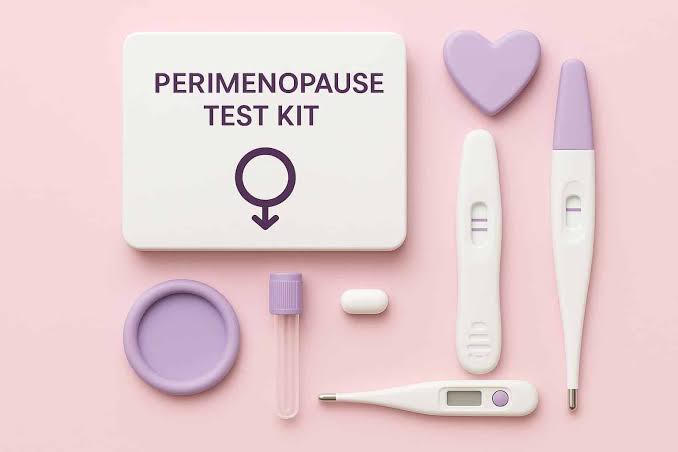
Hormonal changes are a natural part of life, but understanding what is happening inside the body can make the transition through perimenopause much easier. Many women experience changes in their energy levels, sleep patterns, mood, and menstrual cycles without knowing the exact cause. Tracking hormonal health provides valuable insight and helps women make informed decisions about their well-being.
A personalized approach to health starts with awareness. Modern testing options allow women to better understand hormone fluctuations and recognize possible signs of perimenopause earlier. A reliable perimenopause test kit can provide useful information about hormone levels and help create a clearer picture of changes happening in the body.
Understanding Perimenopause and Hormonal Changes
Perimenopause is the stage before menopause when the body gradually begins adjusting its hormone production. Although every woman experiences this period differently, changes in estrogen and other reproductive hormones can influence many areas of daily life.
Common signs may include irregular periods, hot flashes, night sweats, difficulty sleeping, mood changes, reduced concentration, and changes in overall energy. Some women notice these symptoms gradually, while others experience more noticeable shifts within a shorter time.
Another important part of this process is recognizing that every woman’s experience with perimenopause is different. Hormone changes do not follow one exact pattern, and symptoms can vary in intensity and duration. Having access to reliable information helps women feel more prepared and less overwhelmed by unexpected changes. Understanding personal hormone trends can support better planning, from adjusting daily routines to discussing possible options with healthcare providers. This knowledge encourages a more confident and informed approach to overall wellness.
Because many of these signs can overlap with stress, lifestyle changes, or other health factors, it is not always easy to identify the underlying cause. Understanding hormone patterns can help separate normal changes from issues that may require additional attention.
Why Hormone Testing Can Be Helpful
Hormone testing provides information about the body’s current state, rather than relying solely on symptoms. Knowing hormone levels can help women have more productive conversations with healthcare professionals and make better choices regarding lifestyle, nutrition, and personal care.
Testing can be especially useful for women who want to understand whether their symptoms may be connected to perimenopause. Instead of feeling uncertain about unexpected changes, they can use objective information to better understand their health journey.
Regular awareness of hormonal patterns also encourages a proactive approach. Rather than waiting until symptoms become difficult to manage, women can monitor changes and take steps that support long-term wellness.
Choosing the Right Testing Option for Your Needs
Not all hormone tests provide the same type of information, so it is important to consider what you want to learn from the results. Some tests focus on specific hormone markers, while others provide a broader overview of reproductive health.
When selecting a testing option, consider factors such as accuracy, ease of use, testing method, and the clarity of the results provided. A simple collection process and understandable reports can make it easier to use the information in everyday life.
It is also important to remember that hormone levels naturally change over time. A single result represents a single moment and should be viewed as part of a broader health picture. Combining test results with personal symptoms and medical guidance creates a more complete understanding.
Supporting Your Health During Perimenopause
Taking care of hormonal health involves more than testing alone. Healthy habits such as regular physical activity, balanced nutrition, quality sleep, and stress management can support the body during periods of change.
Tracking symptoms and noticing patterns can also be valuable. Keeping notes about cycle changes, mood, sleep quality, and physical symptoms may help identify trends and provide useful information during healthcare discussions.
Perimenopause is not simply a period of challenges; it is also an opportunity to become more connected with your body. With better knowledge and the right tools, women can approach this transition with confidence and make choices that support their future health.
Understanding hormone changes allows women to move from uncertainty to awareness. By learning more about their bodies and using reliable testing methods, they can take an active role in managing their health at every stage of life.