

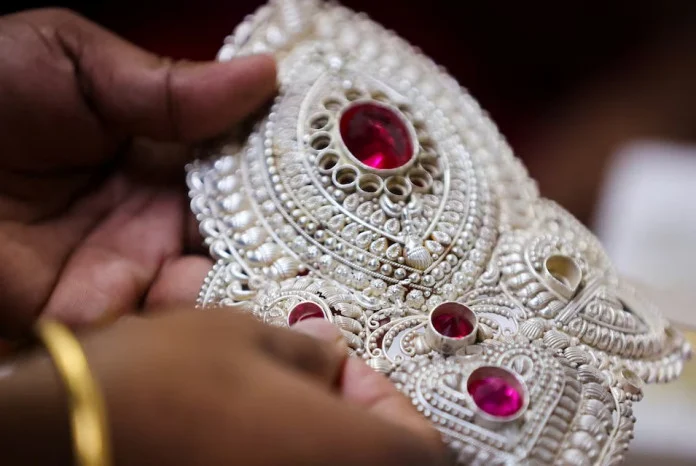
In India, buying silver is a time-honoured tradition. It is a prized asset, whether bought as a chic piece of jewellery, given away as coins at a wedding, or hoarded as an investment in bars.
But most buyers treat silver the same as gold, and they end up making costly mistakes. These two metals have different markets, and without a base awareness, you could lose money. Here are the most common traps that people fall into while buying silver in India.
1. Buying Without A Hallmark
For a long time, silver was sold on the informal market solely on the basis of verbal trust, without any certification. Uncertified silver can be easily mixed with cheaper metals like copper or nickel.
Always ask for the Bureau of Indian Standards (BIS) hallmark for the safety of your purchase. To make sure your silver is real, always ensure that it has the official BIS logo and Hallmark Unique Identification (HUID). You can easily check this HUID code on the official government app.
2. The Confusion Between Purity Grades
Another common misconception is that all retail silver is 100% pure. 999 Pure Silver is malleable and used only for investment bars, coins and religious idols. 925 Sterling Silver is 92.5% pure silver and 7.5% other metals. It is the global benchmark for retail jewellery, anklets and utensils as it strikes the right balance between durability and lustre.
If you buy jewellery thinking it is worth 999 pure silver, you have paid too much. To be exact, always check the purity stamp before you check out.
3. Disregarding The Local Market Rate Changes
Many buyers assume that the rates of precious metals are the same across all cities in India. Global commodity indexes set the general trend, but retail prices vary by region due to regional demand, transportation logistics, and local state taxes.
For example, if you are shopping in Bangalore, it is very important to check the specific silver rates in Bangalore. The local pricing can be different from the rates in Mumbai or Delhi, with the busy commercial market in Bangalore and its special seasonal demand. Checking the precise daily silver rates in your city ensures that you are not misquoted by a local showroom.
4. Paying Too Much For Complicated Making Charges
Unlike gold, where the buyers are very particular about the making charges, silver making charges are often overlooked. Highly detailed silver pieces can have large design and making fees added by jewellers, sometimes anywhere from 10% to more than 30%.
The catch is that when you sell that silver back, the jeweller will take away the entire making charges. You only get paid for the weight of the melted silver. That’s why it is better to go for simple, low-premium silver bars or coins.
5. Disregarding Digital Commodities
Many folks believe that purchasing precious metals means owning them in physical form. Today’s tech-savvy buyers are allocating their money to digital assets to reduce storage and transaction fees. For instance, on sophisticated trading and investment platforms, users can follow live exchange price changes closely and easily buy digital options or follow commodity markets.
By simply following a few basic practices of asking for HUID hallmarked pieces, selecting the right purity grade as per your needs and keeping a close watch on your local daily market rates, you can easily avoid these common pitfalls and ensure that your hard-earned money is safely invested.