

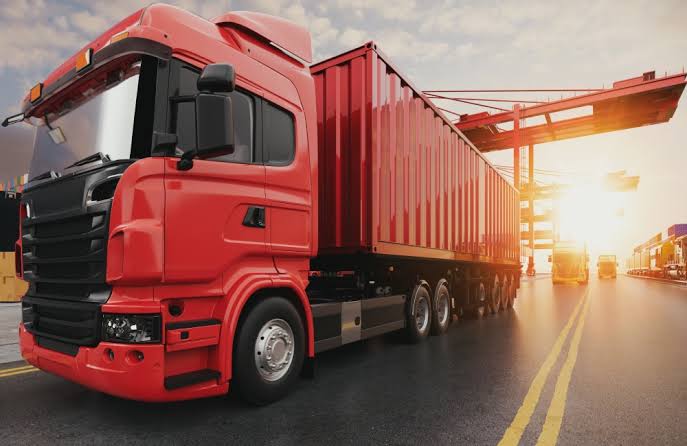
A manufacturer dispatches a consignment worth ₹15 lakh to a distributor in another state. The shipment is properly packed, the transporter is experienced, and the delivery schedule is confirmed. However, an accident midway damages a significant portion of the goods. The manufacturer now faces financial losses, delayed payments, replacement expenses, and possible disruption to its relationship with the distributor.
Such incidents highlight a vulnerability within logistics operations. Businesses may have considerable control over production, inventory, and warehousing, but once goods leave their premises, several external factors come into play. Protecting the financial value of shipments during transportation is therefore an important part of supply chain management.
Understanding the Risks Between Dispatch and Delivery
Goods often pass through multiple stages before reaching their destination. A single consignment may involve loading, road transportation, temporary storage, unloading, and transfer between different vehicles.
Each stage introduces a different set of risks. Even businesses working with established logistics providers cannot eliminate every possibility of damage or loss.
Some common transportation risks include:
- Vehicle collisions and overturning during road transportation.
- Theft or pilferage at unattended locations.
- Damage caused by fire or specified natural calamities.
- Accidental damage during loading and unloading.
- Loss of consignments during eligible transportation incidents.
The financial consequences depend on the nature of the goods, their value, and the extent of damage. A shipment containing electronic components, for instance, may suffer substantial losses even when the external packaging appears relatively intact.
Why Transporter Liability May Not Be Enough
Businesses sometimes assume that logistics providers are entirely responsible for goods once they take possession of a consignment. However, transporter liability and cargo insurance serve different purposes.
A transporter’s liability may depend on contractual obligations, applicable laws, the circumstances of the incident, and whether negligence can be established. Compensation may also be subject to limitations that do not reflect the shipment’s full commercial value.
For example, if a truck carrying expensive industrial equipment is damaged during a natural calamity, recovering the entire loss from the transporter may not be straightforward.
A suitable marine insurance policy can provide financial protection against specified cargo-related risks during transportation, including eligible inland movements. Coverage is not restricted to goods transported by sea and may extend to road, rail, air, or multimodal journeys, depending on the policy.
Protecting Working Capital From Unexpected Losses
Inventory represents a significant portion of working capital for manufacturers, wholesalers, distributors, and retailers.
When goods are damaged before delivery, businesses may face a situation where production expenses have already been incurred, but payment from the buyer remains outstanding.
Consider a furniture manufacturer supplying products to several retail outlets. If a major consignment is damaged during transportation, the manufacturer may need to purchase raw materials again, arrange additional labour, and organise another shipment.
These expenses can place pressure on available funds, particularly for businesses operating with narrow profit margins or extended payment cycles.
Insurance can help absorb eligible financial losses, reducing the need to divert working capital towards replacing damaged inventory.
Supporting Supply Chain Continuity
Modern supply chains often operate with limited inventory buffers. Manufacturers may depend on scheduled deliveries of raw materials, while retailers rely on regular stock replenishment.
When a shipment is lost or damaged, the impact can extend beyond its immediate commercial value.
A missing consignment of automotive components, for example, could interrupt assembly operations at a manufacturing facility. Similarly, damaged retail inventory could affect product availability during an important sales period.
While cargo coverage does not necessarily compensate for indirect losses such as production delays or lost sales, compensation for insured goods can support faster financial recovery and replacement arrangements.
This makes insurance a useful component of broader business continuity planning.
Managing Risks Across Multiple Transportation Partners
Large distribution networks rarely depend on a single logistics provider. Businesses may use regional transporters, national freight companies, courier services, and specialised cargo operators.
Each provider may have different handling procedures, contractual terms, and operational standards.
Managing financial protection separately through every transportation partner can become complicated, especially when shipment volumes increase.
Businesses with frequent dispatches may consider open or annual cargo policies that cover eligible shipments within agreed limits and declaration requirements.
Companies making occasional high-value shipments may instead consider specific voyage or single-consignment coverage.
Selecting an appropriate transit insurance arrangement requires evaluating shipment frequency, cargo value, transportation methods, geographical routes, and the nature of the products being transported.
Understanding Coverage Limitations Before Dispatch
Cargo insurance should not be treated as unconditional protection against every transportation-related loss.
Depending on the policy, certain circumstances may be excluded, including:
- Damage resulting from inadequate or unsuitable packaging.
- Ordinary leakage, wear and tear, or inherent defects in goods.
- Financial losses arising solely from delivery delays.
- Wilful misconduct by the insured.
- Temperature-related deterioration without appropriate coverage.
Businesses transporting pharmaceuticals, perishable food, fragile equipment, or temperature-sensitive materials should pay particular attention to specialised coverage requirements.
Maintaining invoices, consignment notes, packing records, and delivery documentation is equally important. These records can help establish the value and condition of goods when an insured incident occurs.
Final Thoughts
Efficient logistics management involves more than negotiating freight charges and meeting delivery deadlines. It also requires protecting the commercial value of inventory throughout its journey.
As businesses expand their distribution networks, transportation risks become increasingly difficult to manage through operational controls alone. Appropriate cargo coverage, supported by reliable logistics partners, proper packaging, and accurate documentation, can help businesses manage unexpected financial losses without placing unnecessary pressure on their supply chains.