

Not everyone has naturally straight teeth, and that’s perfectly normal. Some people have crowded teeth, others have noticeable gaps, while some may find that their upper and lower teeth do not meet comfortably when biting.
For many, these concerns become more noticeable over time. You might avoid smiling in photographs, feel self-conscious about your teeth or simply want to make brushing and flossing easier.
Fortunately, modern orthodontic treatment offers several ways to improve tooth alignment. Understanding the available options can help you decide whether treatment is worth exploring.
Why Do Teeth Become Crooked?
Tooth alignment is influenced by several factors, including genetics, jaw development and childhood habits. Sometimes, there simply isn’t enough room in the jaw for all the teeth to sit comfortably.
Common alignment concerns include:
- Crowded or overlapping teeth.
- Gaps between individual teeth.
- Teeth that sit too far forward or backwards.
- An overbite or underbite.
- Crossbite and other bite irregularities.
These concerns are not always purely cosmetic. Depending on their severity, misaligned teeth can make certain areas harder to clean or affect how the teeth come together during chewing.
An orthodontic assessment can help determine whether treatment would be beneficial.
Are Braces Still a Good Option?
Despite the availability of newer orthodontic treatments, traditional braces remain a widely used option for correcting different types of alignment problems.
When considering dental braces Newcastle patients can explore, it is important to understand that braces work by applying controlled pressure to gradually move teeth into more suitable positions.
They generally consist of small brackets attached to the teeth and connected by an orthodontic wire. Adjustments over time help guide the teeth towards their planned positions.
Braces may be suitable for straightforward alignment concerns as well as more complex orthodontic cases. The right approach depends on the individual’s teeth, bite and treatment goals.
What Are the Different Types of Braces?
Orthodontic treatment is no longer limited to one style of metal braces. Depending on your circumstances, there may be several options worth discussing.
Traditional metal braces
These use metal brackets and wires to move teeth gradually. They are a common choice for treating a wide range of alignment and bite concerns.
Ceramic braces
Ceramic braces work in a similar way to traditional braces but use tooth-coloured or less noticeable brackets. Some patients prefer them because they are more subtle.
Clear aligners
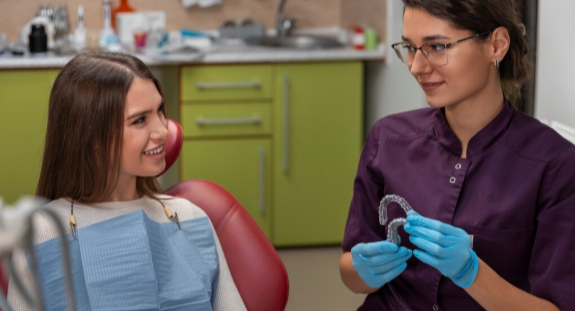
These removable trays are designed to move teeth gradually through a planned series of aligners. They can be convenient for suitable cases, although they are not appropriate for every orthodontic concern.
If you are researching newcastle braces, comparing these options with a dental professional is more useful than choosing based on appearance alone.
Is Teeth Straightening Only for Teenagers?
Not at all. Although orthodontic treatment is commonly associated with teenagers, adults can also have their teeth straightened.
Some adults missed out on treatment when they were younger, while others notice changes in their tooth alignment later in life.
For people considering Teeth Straightening Newcastle, age is only one part of the assessment. The health of the teeth and gums, bone support and the type of alignment concern all influence whether treatment is suitable.
Adults may be able to choose between fixed braces and clear aligners, depending on the complexity of their case.
What Should You Expect Before Starting Treatment?
Starting orthodontic treatment involves more than simply choosing a type of brace.
An initial assessment usually includes examining the teeth, checking the bite and evaluating the position of the jaws. Photographs, dental impressions or digital scans and X-rays may also be recommended.
This information helps the dental professional develop a treatment plan that considers the movements required and the expected timeframe.
If you’re looking into Braces for Teeth Newcastle, ask about the following before making a decision:
- Which treatment options are suitable for your situation?
- How long might treatment take?
- How frequently will adjustment appointments be needed?
- What foods or habits should you avoid?
- What will happen after the braces are removed?
- What are the expected costs and payment arrangements?
Having these conversations beforehand can help you understand the commitment involved.
Keeping Your Teeth Healthy During Orthodontic Treatment
Good oral hygiene becomes particularly important when wearing fixed braces because food and plaque can collect around brackets and wires.
Brushing carefully after meals, cleaning between the teeth and attending regular dental check-ups can help reduce the risk of decay and gum problems during treatment.
Once orthodontic treatment is complete, retainers are generally recommended to help maintain the new tooth positions. Teeth can naturally shift over time, so following your retention instructions is an important part of achieving lasting results.
Making the Right Choice for Your Smile
Straightening your teeth is a personal decision, and there is no single treatment that works for everyone. Some people may benefit from traditional braces, while others may be suitable for clear aligners or a different orthodontic approach.
The best starting point is an individual dental assessment. At 7 Pearls Dental in Wickham, Newcastle, patients can discuss concerns about tooth alignment, explore suitable treatment options and understand what may be involved before deciding on their next steps.
Taking the time to understand your options can help you make a confident decision about your dental health and the smile you want to achieve.