

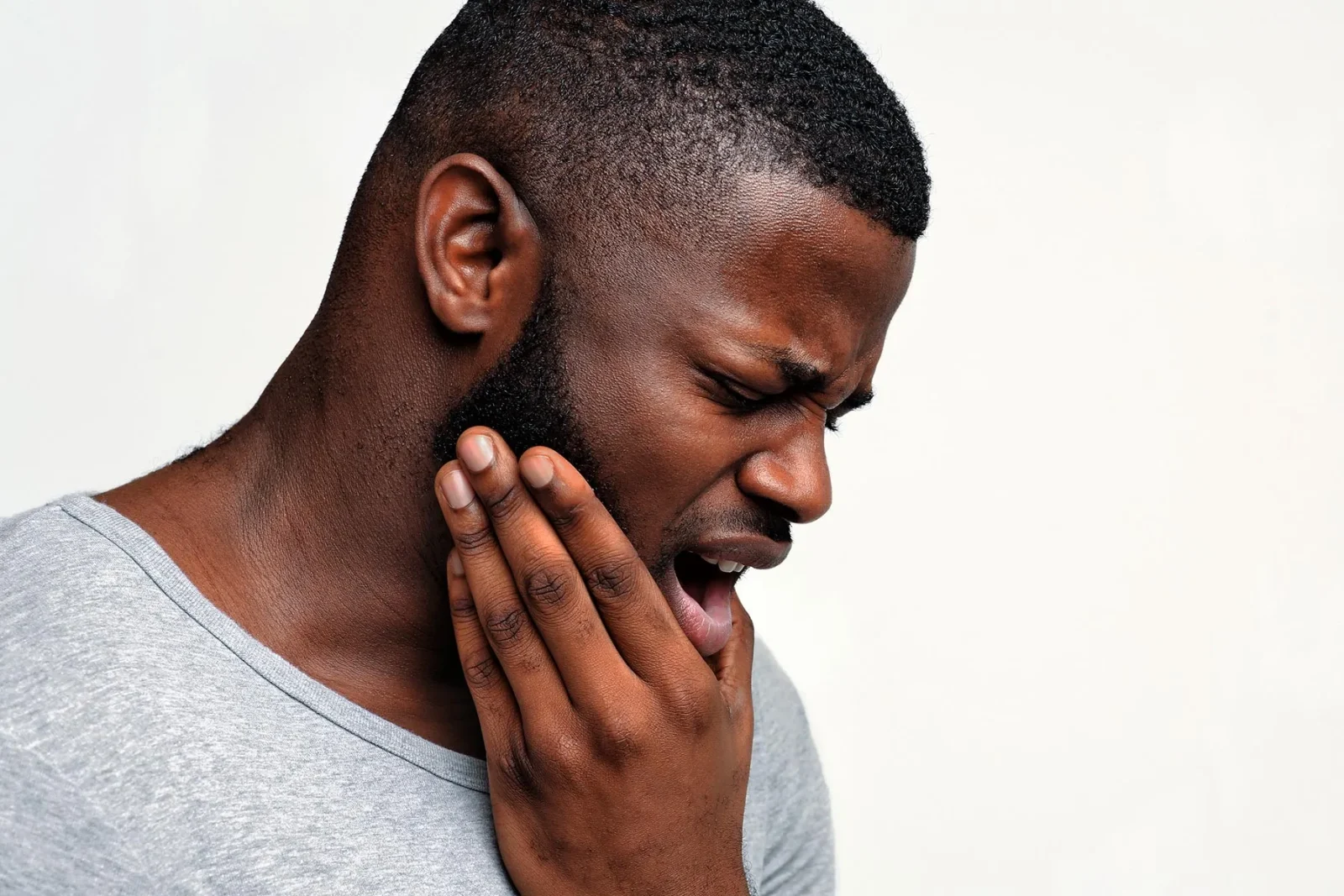
The jaw is easy to take for granted. It moves when we speak, opens when we laugh, works tirelessly when we chew, and quietly participates in almost every ordinary moment involving the mouth. Yet when something goes wrong, the jaw can become an unusually eloquent storyteller.
Pain while eating. A persistent ache near the ears. A clicking sound when opening the mouth. Morning jaw stiffness. Headaches that seem to have no obvious origin. Even subtle changes in how the teeth meet can become clues that something deeper deserves attention.
These signs may point toward a TMJ disorder—although technically, temporomandibular disorders (TMDs) describe a group of conditions affecting the jaw joints, chewing muscles and surrounding tissues, while TMJ refers specifically to the temporomandibular joint itself. The National Institute of Dental and Craniofacial Research (NIDCR) recognises more than 30 types of TMD, illustrating just how complex this seemingly simple part of the body can be.
When the Jaw Changes, Everyday Life Changes
The significance of TMD is not measured only by pain. It can alter the rhythm of daily life.
Imagine avoiding an apple because biting into it hurts. Choosing soft food because chewing has become exhausting. Speaking less during a conversation because prolonged jaw movement is uncomfortable. Sleeping poorly because facial tension refuses to settle.
This is where jaw health becomes inseparable from quality of life.
NIDCR notes that TMD can affect eating, chewing and talking, and may occur alongside conditions such as headaches, sleep problems, migraine, arthritis and other chronic pain conditions.
The jaw therefore should not be viewed as an isolated mechanical hinge. It is part of a larger network involving muscles, nerves, teeth, facial structures and behavioural patterns. Stress, for example, can contribute to jaw clenching, while repetitive habits such as gum chewing or nail biting may place additional strain on the chewing muscles.
The Dental Connection Is More Subtle Than It Seems
Healthy teeth and healthy jaw function are related, but the relationship is not as simple as saying that a particular bite automatically causes TMD.
For many years, theories about malocclusion—the way the upper and lower teeth fit together—were used to explain TMD. Current evidence does not support the idea that a “bad bite” or orthodontic braces are automatically responsible for developing TMD. NIDCR specifically cautions against treatments that permanently alter the teeth or bite simply to treat TMD because such approaches may not help and could potentially make symptoms worse.
That distinction matters.
A dentist assessing someone with jaw pain should consider the whole picture rather than focusing on the teeth alone. Dental decay, gum disease, tooth sensitivity, damaged restorations and other oral conditions can produce pain that may be confused with discomfort originating from the jaw joint or muscles.
Conversely, someone experiencing TMD may unconsciously change the way they chew, favouring one side of the mouth or avoiding certain foods. Over time, those adaptations can influence everyday oral function.
Good dental care remains fundamental. Brushing twice daily with fluoride toothpaste, cleaning between the teeth and attending routine dental examinations help protect against tooth decay and gum disease—the foundational problems that can complicate an already uncomfortable mouth.
Treatment Should Begin With Listening, Not Aggression
One of the most important lessons about TMD is that more treatment does not necessarily mean better treatment.
Many TMD symptoms improve without invasive intervention. For some patients, conservative care may be enough: eating softer foods temporarily, applying heat or cold, performing appropriate jaw exercises, reducing clenching and chewing habits, and using short-term over-the-counter anti-inflammatory medication when medically appropriate.
This is where various home remedies and medical treatments may enter the conversation—but they should not be treated as interchangeable or universally appropriate.
Home strategies can help manage symptoms, but persistent, severe or worsening pain deserves professional assessment. Depending on the individual diagnosis, treatment may involve physical therapy, behavioural approaches, medication or an intraoral appliance. More complex procedures may be considered in selected circumstances, but invasive or permanently altering treatments require careful discussion of benefits, risks and alternatives.
In other words, treatment should follow diagnosis rather than the other way around.
A Jaw Problem Can Become a Quality-of-Life Problem
Perhaps the most overlooked aspect of TMD is psychological—not because the pain is imaginary, but because persistent physical discomfort can reshape behaviour, mood and routines.
When chewing hurts, meals become calculations. When speaking hurts, social interaction can become tiring. When sleep is disturbed, concentration and energy may suffer. When pain persists without an obvious explanation, frustration can become part of the experience.
This is why modern approaches to TMD increasingly recognise the importance of self-management, physical function, pain education and behavioural health. NIDCR reports that approaches such as cognitive behavioural therapy and biofeedback may help some people manage TMD-related pain.
The goal is not merely to make the jaw open wider or click less. The deeper goal is to help a person return to ordinary life with greater comfort and confidence.
Listen to What Your Jaw Is Saying
A clicking jaw is not automatically a disease. Painless clicking and popping can be common and may not require treatment. But pain, stiffness, restricted movement, locking, painful clicking, facial discomfort or changes in how the teeth come together deserve attention.
Your jaw has a story to tell, but it rarely tells that story in isolation.
Its message may involve stress, muscle tension, habits, sleep, oral health, pain sensitivity or an underlying joint problem. Understanding that message requires looking beyond the sound of a click and beyond the appearance of the teeth.
Ultimately, caring for the jaw is not simply about protecting a joint. It is about protecting the ordinary freedoms that joint makes possible: eating without hesitation, speaking without discomfort, laughing without fear and waking without pain.
Sometimes the smallest movement in the face can reveal something much larger about the way we live.