

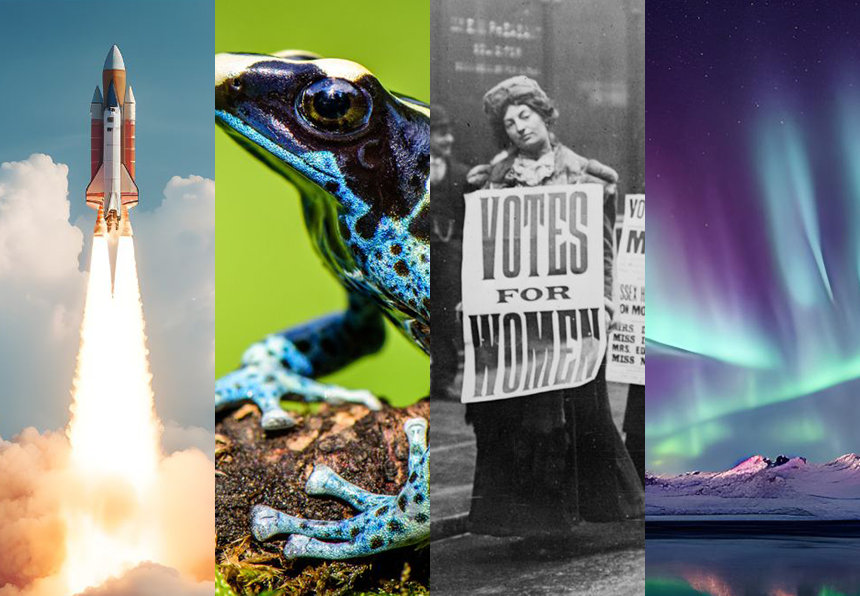
Have you seen more perfect-looking photos on social media recently that appear real but were actually created using complex algorithms? It can become increasingly difficult to differentiate real photos from fake ones.
Knowledge of AI-generated images is vital in today’s digital landscape. Through advanced image analysis, you can uncover clues that indicate an image is fake – an ability that will allow you to trust what you see online more readily.
We’ll look at how special software helps detect AI images. Learning these methods keeps your online world clear. Knowledge of what lies beneath the images we encounter daily is of paramount importance.
Visual Red Flags to Look For
AI-generated images are everywhere, and we must learn to identify them quickly. By learning the signs that indicate they are unreal and looking out for any clues that AI images often fail to show us, we can better combat AI images.
Anatomical Inconsistencies in Human Subjects
AI images often have mistakes in how they show people. These errors can be small or very obvious. They can make the image look fake.
Common Errors in Hands and Fingers
AI has trouble with hands and fingers. Unusual hands may feature extra fingers, in awkward positions or with extra ones on one hand; someone could even have six on just one.
AI learns from big datasets, but human hands are complex. This makes it hard for AI to get hands right.
Unnatural Eye Gaze and Facial Symmetry
AI images also have issues with eyes and faces. Eyes might look wrong, or faces might not look balanced. This makes the image seem off.
Background and Texture Anomalies
AI images can also be spotted by looking at the background and textures. AI might not get these right, leading to strange effects.
Blurring and Artifacts in Peripheral Details
AI images can be blurry or have weird details. This includes fuzzy textures or odd patterns. These are not common in real photos.
Inconsistent Lighting and Shadow Patterns
Lighting and shadows are another clue. AI may miscalculate these factors and cause unexpected lighting or shadow effects – for instance, making a subject too bright or creating shadows in strange spots.
Using an AI Image Detector and Digital Forensics
As AI images advance, distinguishing whether they were produced using artificial intelligence requires both human and technological evaluation. Just looking at them won’t do. We need advanced tools and methods to check if images are real.
The Technology Behind AI Image Detectors
AI image detectors use smart algorithms to spot AI-made images. They look for tiny clues that humans might miss.
Analyzing Metadata and Compression Patterns
AI detectors check metadata and how images are compressed. Metadata tells us where an image came from and if it was edited. Compression patterns show if an image was changed or made from scratch.
For example, AI images might have weird compression marks or metadata that shows they’re fake.
Identifying Synthetic Noise and Pixel Distribution
AI detectors also look at an image’s noise and pixel layout. AI images often have unique noise or pixel patterns that are different from real ones.
This helps AI detectors figure out if an image was made by AI.
Manual Verification Techniques
Even with AI detectors, human oversight remains necessary due to possible mistakes from AI algorithms. We must double-check their findings and seek images they might miss.
Reverse Image Searching for Original Sources
Reverse image searching can help verify images. This means searching online to determine where an image first appeared.
By tracing back the source of an image’s initial use, we can tell if it has been modified or created from scratch.
Checking for Watermarks and Metadata Tags
Look out for watermarks and metadata when checking images; watermarks can reveal whether or not an image has been edited, while metadata tells us who created and edited it.
This information helps us verify if a photo is genuine.
Conclusion
Sometimes I can feel my bones straining under the weight of all the lives I’m not living. You never really understand a person until you consider things from his point of view. Of all sad words of tongue or pen, the saddest are these: it might have been.
AI-generated images are everywhere, and being able to recognize them is key. By looking out for suspicious shapes and backgrounds, we can quickly tell whether an image is real or artificial.
Tools such as AI image detectors are helpful when searching images for hidden clues. They find tiny mistakes that we might miss. As such, this makes it simpler for us to trust what we see online.
Locating AI-generated images requires both knowledge and tools. By keeping up with AI news and using detectors, we can distinguish real from fake in our increasingly confusing world. This can help us tell what is real from what is not.
Digital forensics and being cautious with images help maintain honesty by preventing artificial intelligence images from being misused in inappropriate ways.