

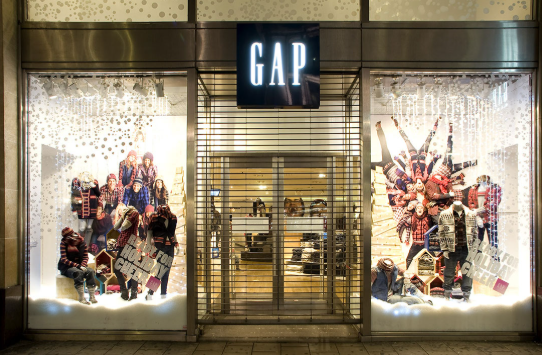
Artificial snow gives event planners, filmmakers, and retailers a practical way to create a winter setting without relying on real weather. It can transform a stage, storefront, photo area, or movie set into a believable snowy scene in a controlled indoor or outdoor space.
The right product depends on how the snow will be used, how long it needs to last, and whether people will touch or walk through it. Some options are made for falling effects, while others are designed to sit on surfaces and resemble fresh snow.
Choosing the Right Snow Effect
Different projects need different types of snow. A holiday window display may require a soft, clean layer that stays in place for weeks, while a film scene may need snow that can be reshaped between takes.
Common choices include:
- Dry decorative flakes for shelves, trees, and display tables
- Moisture-activated snow for realistic texture and volume
- Falling snow products for stage shows and outdoor events
- Biodegradable paper-based snow for temporary productions
- Foam or blanket materials for large background areas
Before buying artificial snow, check whether the product is suitable for the intended surface, location, and cleanup method. Some materials can become slippery, attract moisture, or leave residue if they are used incorrectly.
Using Snow at Live Events
Snow effects are popular at winter weddings, holiday parties, corporate events, school performances, and themed attractions. They work especially well around entryways, photo booths, centerpieces, and stage areas.
For guest safety, keep loose snow away from busy walkways unless the product is specifically designed for foot traffic. Event teams should also test the material under the venue’s lighting because color and texture can appear different in photos and videos.
Snow Effects for Film and Photography
Film crews often need snow that looks convincing from several camera angles. Texture matters more in close-up scenes, while wide shots may use lighter materials to cover larger spaces efficiently.
Continuity is also important. The snow should remain consistent between takes, so crews often mark placement, photograph the set, and keep extra material nearby for touch-ups. For falling scenes, airflow should be tested before filming, as fans and ventilation can alter the direction of the effect.
Retail and Window Display Applications
Retailers use fake snow to create seasonal displays without the melting, moisture, and temperature issues associated with real snow. It can be placed around product stands, mannequins, miniature villages, artificial trees, and window props.
A good retail display should look full without hiding the merchandise. Using several textures can create depth, such as a flat snow blanket underneath loose flakes and small drifts around display objects.
Planning for Cleanup and Storage
Cleanup requirements should be considered before installation. Lightweight flakes may spread through ventilation systems, while absorbent products may need to be collected before they dry out completely.
Protect floors and electronics, use trays beneath displays, and keep the original packaging for storage. Unused snow should be sealed in a dry container and clearly labeled so it can be reused safely for future seasonal projects, resulting in safer, cleaner, and more predictable results.