

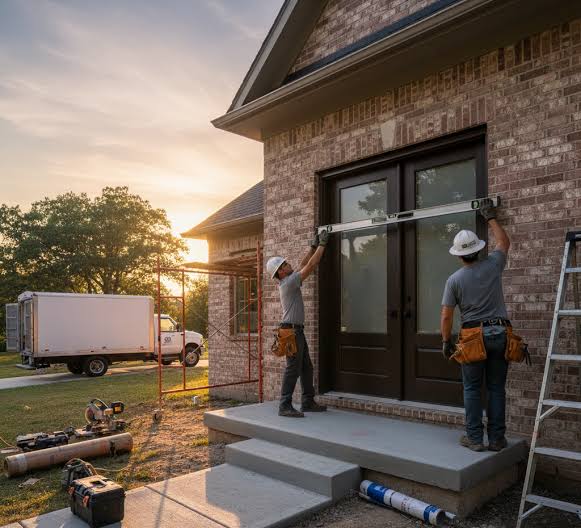
Exterior renovations often involve several improvements that affect the same parts of a home. New siding, updated paint, porch improvements, exterior lighting, flooring transitions, and entry upgrades may all meet around a primary doorway. Treating these projects separately can create scheduling conflicts, repeated work, and details that do not coordinate as well as homeowners expected.
The entry door deserves particular attention because it connects interior finishes with exterior materials. Changes to the opening can influence trim, hardware, nearby wall finishes, thresholds, lighting, and other elements. Planning the doorway early gives contractors a clearer picture of how their individual responsibilities fit within the complete renovation.
National Glass & Construction can coordinate Impact Door Installation with a homeowner’s broader exterior improvement plans. The goal is to establish the correct sequence before finished materials surround the opening. Thoughtful coordination can make the renovation easier to manage while helping the completed entrance feel intentionally integrated with the rest of the property.
Create One Plan for the Entire Entry Area
A front entrance contains more individual components than it may initially appear. The door, frame, threshold, trim, siding, lighting, porch surface, hardware, and surrounding finishes all contribute to the completed area.
Homeowners should list every planned improvement before work begins. This helps reveal where one contractor’s work could affect another contractor’s materials or access.
A unified plan also makes design decisions easier. Colors, finishes, hardware, and surrounding exterior materials can be selected as parts of one composition instead of unrelated purchases made at different stages.
Establish the Correct Construction Sequence Early
Project order can determine whether contractors work efficiently or repeatedly modify recently completed areas. Installing certain finishes too early may make them vulnerable when another crew needs access to the doorway.
The appropriate sequence depends on the actual renovation scope. Contractors should discuss which components need to be completed first and which finishes should wait until surrounding work is finished.
This conversation is most useful before materials are ordered and schedules are finalized. Early sequencing gives each trade clearer expectations about when the entry area will be ready.
Coordinate Door Work With New Siding
Siding and door openings meet at exterior transitions that require careful planning. If both are being updated, homeowners should make sure the contractors understand the specifications and timing of each project.
Removing or altering materials around an entrance can affect nearby finished surfaces. Completing work in an unsuitable order may require crews to revisit areas that were recently installed.
Coordination allows surrounding finishes to be completed with the final doorway configuration in mind. The result can look more deliberate while reducing unnecessary disruption to newly completed exterior materials.
Consider Exterior Painting at the Right Stage
Painting is often one of the most visible parts of an exterior renovation, but completing it too early can create extra touch-up work. Door-related construction may affect trim or nearby surfaces that are scheduled to receive new finishes.
Confirm Which Areas Will Change
Determine whether the project affects only the door or also surrounding trim and adjacent materials. Painters can then understand which surfaces should wait.
Finalize Colors Before Finishing
Door, trim, siding, and wall colors should be considered together. Making these decisions early helps the completed entrance feel connected to the broader exterior design.
Careful timing can reduce unnecessary repainting after construction work ends.
Review Porch and Threshold Transitions
The bottom of an exterior doorway meets a walking surface that may also be part of the renovation. Porch tile, concrete, decking, or other materials can influence how the finished threshold area comes together.
If the porch surface will change in height or material, contractors should know before door work is finalized. Unexpected differences can complicate transitions between interior and exterior areas.
National Glass & Construction can consider the doorway conditions within its project scope while other contractors address their respective surfaces. Sharing relevant measurements and plans helps everyone work toward compatible finished conditions.
Plan Exterior Lighting Before Final Finishes
Entry lighting contributes to visibility, appearance, and everyday use. Renovations may include new sconces, overhead fixtures, wiring changes, or other electrical improvements near the doorway.
Electrical work should be coordinated so contractors do not unnecessarily disturb newly finished surfaces. Fixture placement may also influence trim arrangements or decorative elements around the entrance.
Homeowners can finalize lighting plans alongside other entry decisions. This provides a clearer understanding of how the doorway will look and function once every part of the renovation is complete.
Choose Hardware With the Complete Design in Mind
Door hardware is relatively small compared with siding or roofing, yet it can strongly influence the appearance of an entrance. Handles, locks, hinges, and related finishes should complement the home’s overall exterior style.
Homeowners may coordinate hardware with lighting fixtures, house numbers, railings, or other nearby metal finishes. Exact matching is not always necessary, but intentional choices can create visual consistency.
Function should remain part of the decision as well. Hardware should suit the selected door and support the practical needs of household members who use the entrance every day.
Prepare for Interior Finish Changes
An exterior door also meets interior walls, flooring, trim, and paint. Even when the renovation is described as an exterior project, homeowners should consider whether work around the opening may influence finishes inside the home.
Furniture and fragile objects near the entry can be moved before work begins. Homeowners can also determine whether interior painting or trim work is planned as part of the larger renovation.
Thinking about both sides of the opening prevents the project from being planned exclusively from the curb. The entrance needs to work visually and practically from inside as well.
Schedule Material Deliveries Carefully
Large exterior renovations can bring several deliveries to the property within a short period. Doors, siding, lighting, porch materials, and other products all require suitable staging space.
Deliveries should be coordinated with contractor schedules so materials do not unnecessarily block driveways, walkways, or work zones. Products arriving too early may also need to remain protected while unrelated work continues nearby.
Impact Door Installation becomes easier to coordinate when the required product is available at the appropriate project stage. Clear communication between contractors and homeowners can reduce scheduling complications caused by overlapping deliveries.
Maintain Practical Access During Renovation
The primary entrance may be used frequently even while exterior work is underway. Families need a clear plan for entering and leaving the home during different construction stages.
A secondary entrance may become useful temporarily, depending on the property and project. Household members should understand which access point to use and when normal entry is expected to resume.
Deliveries, visitors, children, and pets should also be considered. Planning everyday movement around the work area can reduce confusion without interfering with contractor access.
Account for Weather in the Schedule
Exterior construction is naturally influenced by weather. Rain, wind, and other conditions can affect the timing of work and may cause changes to a carefully planned sequence.
Homeowners should leave some flexibility between dependent projects rather than scheduling every contractor with no room for adjustment. One weather delay can otherwise create conflicts across several trades.
Communication becomes particularly valuable when schedules change. Contractors should know when preceding work has shifted so they can adjust their own arrival and preparation accordingly.
Avoid Finalizing Landscaping Too Early
Landscaping often forms the finishing touch of an exterior renovation, but delicate new plantings may be vulnerable if installed before construction traffic has ended. Workers may still need access to areas near the entrance.
Homeowners can identify pathways that contractors will use for tools and materials. Final landscaping around those routes may be easier to complete after heavier work is finished.
Existing plants should also be considered during planning. Contractors can discuss reasonable access needs so homeowners understand which areas around the entrance must remain available.
Conduct a Coordinated Final Review
When several contractors contribute to one exterior renovation, the final review should consider how their work meets. Looking at individual projects separately can overlook small transition issues between different materials.
Walk around the entry and examine trim, surrounding finishes, lighting, hardware, porch transitions, and other completed elements. Interior conditions around the opening should also be reviewed where relevant.
National Glass & Construction can review the completed door work within its scope while homeowners coordinate any remaining items with other trades. A structured walkthrough helps bring a multi-stage renovation to an organized conclusion.
Keep Project Documents Together
Exterior renovations can involve multiple product specifications, warranties, invoices, contractor records, and maintenance instructions. Keeping these documents together makes future reference considerably easier.
Homeowners should record installation dates and retain information related to major exterior components. Photographs taken before and after construction can also provide a useful record of what changed.
Organized documentation becomes particularly valuable years later when maintenance or another renovation is planned. Future contractors can better understand previous work without relying entirely on homeowner memory.
Make the Entry Part of the Larger Renovation
A successful exterior renovation depends on more than selecting attractive individual products. The strongest results come from understanding how doors, siding, paint, lighting, porch surfaces, trim, hardware, and landscaping interact around the same architectural area.
Planning Impact Door Installation alongside these improvements can reduce scheduling conflicts and help contractors establish a logical construction sequence. Early decisions about finishes, access, deliveries, and surrounding work also make it easier to protect completed areas as the renovation progresses.
An entryway naturally becomes a focal point of the home’s exterior. By coordinating each improvement instead of treating the door as an isolated project, homeowners can create a finished entrance that functions effectively and fits naturally with the larger renovation.