

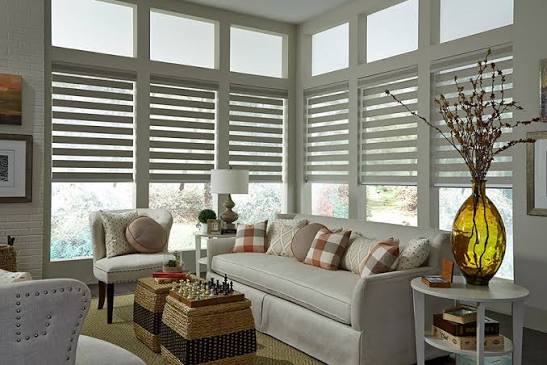
Selecting the right window treatment is one of the finishing touches that can transform a home. While paint colors, flooring, and furniture often receive the most attention, window coverings influence comfort, privacy, natural light, and even energy efficiency. Homeowners are often faced with two popular options, each offering unique benefits depending on the space and lifestyle.
Many people begin comparing products from reputable companies like AAA Blind & Shutter Factory before making a decision. Understanding the differences between Shutters and Blinds can help you choose a solution that complements your home’s style while meeting your everyday needs.
Why Window Coverings Matter
Window treatments are more than decorative features. They provide privacy, regulate sunlight, and contribute to a comfortable indoor environment throughout the year.
The right choice can reduce glare on televisions and computer screens, protect furniture from prolonged sun exposure, and improve the overall appearance of each room. Since window coverings are a long-term investment, selecting the option that matches your home’s requirements is worth careful consideration.
Understanding the Main Differences
Although both products serve similar purposes, their construction and installation are quite different.
What Are Shutters?
Shutters are solid window coverings that are permanently installed inside or around the window frame. They feature adjustable louvers that allow homeowners to control sunlight and airflow without opening the entire window covering.
Because they become part of the home’s interior, shutters often create a custom-built appearance that adds character and long-term value.
What Are Blinds?
Blinds consist of horizontal or vertical slats connected by cords, wands, or cordless operating systems. They can be raised, lowered, or tilted to manage privacy and natural light.
Available in a wide variety of materials and colors, blinds offer flexibility for different budgets and interior styles.
Comparing Appearance
Visual appeal is often one of the first factors homeowners consider.
Shutters create a clean, structured look that works well with traditional, farmhouse, coastal, and modern interiors. Their permanent design gives windows a polished finish that blends naturally with surrounding trim.
Blinds provide greater variety in colors, textures, and finishes. They can easily match changing décor and are available in styles ranging from minimalist to decorative.
Choosing between the two often depends on whether you prefer a built-in architectural feature or a more versatile window covering.
Privacy and Light Control
Every room has different lighting and privacy requirements.
Managing Natural Light
Both products allow homeowners to adjust incoming sunlight, but they do so in different ways.
The wider louvers found on shutters make it easy to direct sunlight upward or downward while maintaining privacy. This creates softer lighting throughout the day.
Blinds also provide adjustable light control, especially in rooms where precise positioning is needed to reduce glare.
Maintaining Privacy
Street-facing windows, bedrooms, and bathrooms often require greater privacy.
Both options perform well in these areas, though shutters offer the advantage of remaining securely in place while allowing adjustable airflow through their louvers.
Durability and Lifespan
Durability becomes especially important for homeowners planning long-term improvements.
Because shutters are permanently installed and built from sturdy materials, they generally last for many years with proper care. Their solid construction makes them resistant to everyday wear.
Blinds are also durable, particularly when made from quality materials such as aluminum or faux wood. However, lightweight slats and operating mechanisms may experience more wear with frequent daily use.
Regular maintenance extends the lifespan of either option.
Maintenance Requirements
Cleaning routines vary slightly between the two products.
Caring for Shutters
Dusting with a microfiber cloth or soft brush usually keeps shutters looking clean. Occasional wiping with a damp cloth removes fingerprints and household dust.
Because they remain fixed in place, cleaning is often quick and straightforward.
Caring for Blinds
Blinds require regular dusting along each slat to prevent buildup. Some materials may also benefit from occasional deep cleaning using mild soap and water.
Cordless designs simplify maintenance by eliminating tangled cords while creating a cleaner appearance.
Cost Considerations
Budget plays an important role in many home improvement decisions.
Shutters generally require a larger initial investment because they are custom fitted and permanently installed. Many homeowners view this as a long-term upgrade due to their durability and classic appearance.
Blinds are available across a wide price range, making them suitable for homeowners seeking attractive window coverings at different budget levels.
The lowest purchase price is not always the best value. Considering durability, maintenance, and expected lifespan often provides a more accurate picture of long-term cost.
Which Rooms Benefit Most?
Different areas of the home may benefit from different window treatments.
Living Rooms
Living rooms often receive changing sunlight throughout the day. Both products perform well here, depending on the desired appearance and level of light control.
Bedrooms
Privacy and light management are priorities in bedrooms. Homeowners who prefer darker sleeping environments may appreciate the flexibility offered by adjustable window coverings.
Kitchens
Moisture-resistant materials perform better near cooking areas where humidity and temperature fluctuate.
Bathrooms
Bathrooms benefit from products that combine privacy with resistance to moisture. Composite shutters and moisture-resistant blinds both perform well in these conditions.
Questions to Ask Before Choosing
Before making a final decision, homeowners should consider several practical questions.
- How much natural light enters the room each day?
- Is maximum privacy required?
- What level of maintenance fits your lifestyle?
- Does the room experience high humidity?
- Are you planning a long-term renovation or a simple decorative update?
Answering these questions helps narrow the available choices while ensuring your investment matches your daily needs.
Professional Guidance Can Simplify the Process
Comparing materials, colors, operating systems, and installation methods can quickly become overwhelming. Professional consultation helps homeowners understand which products best suit each room.
Many customers turn to AAA Blind & Shutter Factory for expert guidance because experienced professionals can explain available options, recommend suitable materials, and ensure proper measurements before installation. Careful planning often results in window treatments that perform well for many years.
Final Thoughts
Choosing between Shutters and Blinds depends on your home’s design, budget, maintenance preferences, and functional needs. Both options provide excellent privacy and light control, but each offers distinct advantages that appeal to different homeowners.
Rather than focusing solely on appearance, consider durability, room conditions, and long-term value before making a decision. Taking time to compare available options and seeking advice from knowledgeable providers like AAA Blind & Shutter Factory can help you select window treatments that enhance both comfort and style for years to come.