

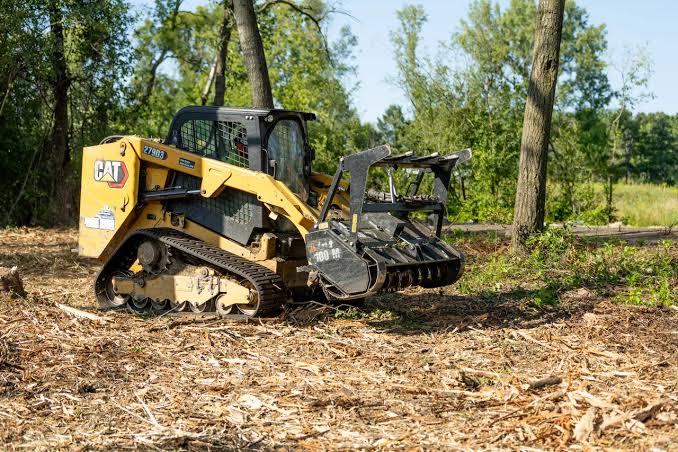
A wooded or overgrown parcel can look like a single clearing problem from the property line. Once work begins, however, differences in vegetation density, terrain, soil condition, access, and future land use become much more noticeable. Those details affect which clearing method makes sense and what the site will look like after the work is finished.
Two approaches commonly considered are conventional clearing and Forestry mulching. Conventional methods typically remove vegetation and then manage the resulting woody material separately, while mulching processes vegetation into smaller material at the work area. Neither approach automatically suits every parcel, so the intended use of the ground should guide the comparison.
Property owners also need to think beyond the immediate appearance of a cleared area. Equipment movement, material handling, soil exposure, remaining roots, and future maintenance all affect the outcome. Bear Claw Land Services works within this type of land-management setting, where choosing a method requires looking at what is growing on the site and what needs to happen there afterward.
Start With the Vegetation That Actually Needs to Be Managed
Vegetation type is one of the clearest differences between clearing projects. A site dominated by brush and smaller woody growth presents a different workload from land containing numerous mature trees, large logs, or heavy concentrations of substantial timber. Treating both sites with the same process may create unnecessary work.
Forestry mulching is closely associated with processing brush, smaller trees, and other vegetation directly where equipment is operating. The resulting material remains on the ground instead of requiring every piece of vegetation to be collected and transported elsewhere. That characteristic can simplify material handling where the vegetation and project goals suit the method.
Conventional clearing provides other options when vegetation needs to be removed from the site rather than processed across the surface. Larger material may need separate handling, especially when future work requires a particular type of site finish. The useful comparison therefore starts with vegetation size and density instead of choosing equipment first.
The Intended Use of the Ground Changes the Decision
A property being opened for better access does not necessarily need the same finish as a future building area. Trails, fence lines, utility access, recreational sections, pasture improvements, and construction zones place different demands on the ground. Defining the next use prevents property owners from paying for work that does not support their actual objective.
Suppose the goal is to open a heavily overgrown route through wooded acreage. Processing unwanted growth at ground level may provide the necessary access without removing every trace of organic material. A site that will undergo excavation or other substantial development could require a different level of clearing and debris removal.
Bear Claw Land Services can be considered within this planning context because land services are tied to what happens after vegetation is addressed. A useful project description should explain the desired end condition rather than simply asking for an area to be cleared. That information gives the clearing method a practical purpose.
Material Handling Can Shape the Entire Project
Cut vegetation does not disappear once it is separated from the ground. Branches, trunks, brush, and other woody material need to be processed, moved, piled, chipped, hauled, or otherwise managed. The volume and size of this material can affect equipment access and the sequence of work.
Mulched Material Remains Part of the Site
With Forestry mulching, processed vegetation is generally left across the treated ground as smaller woody material. This changes the cleanup stage because there is less need to create large piles of intact brush from the vegetation being mulched. Property owners should still consider whether that finished surface matches their plans for the area.
Conventional Clearing Separates Removal From Processing
Traditional clearing may create distinct stages for cutting, gathering, moving, and processing material. That approach can be appropriate when the project requires vegetation to be physically removed from particular areas. It also means the plan should identify where material can be handled without obstructing roads, structures, or later phases of work.
Terrain and Equipment Access Deserve Early Attention
The amount of vegetation is only one part of site difficulty. Steep sections, narrow entrances, soft ground, rocks, existing structures, fences, and tight turns may limit how machinery reaches a work zone. An approach that appears straightforward on a map can become less practical when equipment movement is considered on the ground.
Access should be evaluated before clearing starts rather than after machines arrive. Gates and travel routes need enough usable space for the equipment involved, while overhead branches and hidden obstacles may also affect movement. Existing roads should not automatically be assumed suitable for every machine.
Work associated with Bear Claw Land Services may involve properties where these access questions influence the clearing plan. Identifying obstacles early allows property owners to discuss which sections are reachable and whether the project should be divided into stages. It also reduces the temptation to clear unrelated vegetation simply to solve an access problem that was not considered beforehand.
Soil Disturbance Is More Than an Appearance Issue
Clearing changes the relationship between vegetation and the ground beneath it. Removing plants may expose soil that had previously been shaded or covered, while repeated machinery movement can disturb surface conditions. The degree of disturbance depends on the method, equipment, terrain, vegetation, and intended finish.
Forestry mulching processes vegetation near the surface and leaves organic material behind. For some land-management goals, that surface condition may fit the intended use. It should not be confused with grading, excavation, or complete site preparation, since those are different objectives involving different work.
Conventional clearing can also vary considerably in how much ground disturbance occurs. Removing above-ground vegetation is different from removing roots, stumps, or soil. Property owners should specify what needs to remain and what needs to be removed so that expectations are based on the actual scope rather than the broad word “clearing.”
Preserving Selected Trees Requires a Clear Plan
Many projects involve opening an area without eliminating every tree. Mature trees may be retained for shade, screening, property character, or because they do not interfere with the planned use. Marking trees intended to remain gives operators a clearer picture of the desired result.
The space around retained trees also deserves attention. Removing nearby vegetation changes exposure to sunlight and wind, while equipment movement near trunks and roots creates another planning consideration. The project should account for preservation goals before work begins rather than identifying valuable trees midway through clearing.
Bear Claw Land Services operates within a service category where selective vegetation management may be part of a larger land project. Property owners can support clearer planning by identifying boundaries, desired access corridors, vegetation to preserve, and areas requiring a more open finish before machinery enters the site.
Think About What Will Grow Back
Clearing changes existing vegetation, but it does not stop biological growth. Roots may remain alive, seeds may already exist in the soil, and newly opened ground may receive more sunlight than it did before. The maintenance needs of the site should therefore be discussed as part of the initial method choice.
A mulched area may still develop new vegetation over time. Conventional clearing does not automatically prevent regrowth either, particularly when roots or seeds remain. Forestry mulching should therefore be viewed as a vegetation-management method rather than a permanent guarantee that an area will remain clear.
Future maintenance also depends on the desired condition. A trail may tolerate some low growth, while a utility route or regularly used access lane may require closer control. Establishing that standard makes it easier to recognize when follow-up work is actually needed.
Choose the Method by Working Backward From the Finished Site
Comparing clearing methods becomes easier once the desired end condition is clearly defined. Vegetation size, material handling, equipment access, terrain, soil disturbance, tree preservation, and future maintenance all influence whether one approach or a combination of approaches makes more sense.
A property owner seeking access through brush has a different objective from someone preparing ground for extensive development. The clearing plan should reflect that distinction instead of treating acreage alone as the main measure of the project. Describing what the site needs to support afterward provides more useful guidance than requesting the most aggressive clearing possible.
The best starting point is a clear picture of the finished property. Decide which areas need access, which vegetation should remain, how woody material should be handled, and what level of regrowth will be acceptable. Once those questions are answered, the clearing method becomes a practical decision tied to the land rather than simply a choice between machines.