

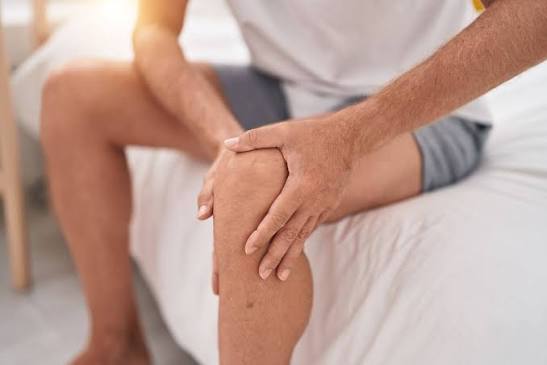
Knee pain is common across age groups and activity levels. Occasional discomfort may improve with rest, but persistent or recurring pain can indicate problems involving the joint, cartilage, ligaments, tendons or bones. Early assessment can help prevent symptoms from affecting mobility and daily activities.
In Bangalore, specialist orthopaedic care supports the diagnosis and management of osteoarthritis, sports injuries, meniscal tears, ligament damage, inflammatory conditions and repetitive strain. The pain’s duration, severity, associated symptoms, age and activity level guide evaluation. Prompt evaluation can also help distinguish temporary overuse from conditions requiring targeted treatment, allowing patients to plan rehabilitation, protect joint function and maintain independence over the longer term.
Recognising Warning Signs
Common symptoms include:
- Persistent pain: Discomfort during walking, standing, climbing stairs or resting.
- Swelling: Inflammation or fluid accumulation after injury or because of joint disease.
- Stiffness: Difficulty bending or straightening the knee.
- Reduced mobility: Trouble walking, squatting, kneeling or completing daily tasks.
- Clicking or locking: Possible mechanical symptoms involving cartilage or menisci.
- Instability: A feeling that the knee may give way.
- Tenderness: Localised pain around the kneecap, joint line or soft tissues.
Sudden severe pain, major swelling after injury, inability to bear weight or visible deformity requires prompt assessment. A hot, swollen joint with fever needs urgent evaluation because infection may be present.
Patients seeking an orthopaedic hospital in Bangalore should consider clinical assessment, imaging, physiotherapy, rehabilitation and surgical services.
When Should You Consult a Specialist?
Arrange an orthopaedic consultation if pain persists for several weeks, affects sleep, recurs frequently or limits normal activities. Assessment is especially important for:
- Progressive or persistent pain.
- Difficulty walking, climbing stairs or performing daily tasks.
- Recurrent swelling, stiffness or restricted movement.
- Pain after a sports injury, fall or twisting incident.
- Locking, painful clicking or instability.
- Symptoms that do not improve with initial treatment.
Painkillers and home remedies should not replace assessment when symptoms continue. A specialist can determine whether physiotherapy, medication, activity modification or surgery is appropriate.
Diagnosis of Knee Problems
The doctor reviews symptoms, medical history, injuries and activity patterns. Examination assesses movement, swelling, stability, alignment and tenderness.
Investigations may include:
- X-ray: Identifies bone changes, joint-space narrowing and osteoarthritis.
- MRI scan: Examines ligaments, menisci, cartilage and other soft tissues.
- Ultrasound: Assesses selected soft-tissue problems and fluid collections.
- Blood tests: Investigate inflammatory or infectious causes when indicated.
- Joint fluid analysis: Helps assess infection or crystal-related arthritis.
Testing depends on clinical findings. MRI or advanced imaging is not required for every patient initially.
Treatment Options
Treatment depends on the cause, severity, functional limitations and general health. Non-surgical care may include physiotherapy, strengthening exercises, flexibility work, weight management where relevant, activity modification and prescribed medicines. These measures aim to reduce pain and improve movement.
Surgery may be considered for selected injuries or advanced joint disease. Options include arthroscopy for appropriate indications, ligament reconstruction or knee replacement when substantial damage causes disability. Persistent pain does not automatically require surgery; decisions should follow individual assessment.
A coordinated plan involving orthopaedic specialists, physiotherapists and rehabilitation professionals can support recovery.
Orthopaedic Care in Bangalore
Patients should consider specialist experience, diagnostic facilities, rehabilitation support, follow-up arrangements and familiarity with the relevant condition. Orthopaedic specialists such as Dr Venugopal N and Dr Ravikumar Mukartihal may be considered, subject to their current roles, expertise and availability.
Patients searching for the best orthopaedic doctors in Bangalore should review a doctor’s experience with their symptoms and available treatment approaches. Sudden severe symptoms require urgent care.
Supporting Recovery
- Maintain a healthy body weight where appropriate.
- Complete physiotherapist-recommended exercises.
- Wear suitable footwear and avoid aggravating activities.
- Follow prescribed treatment and rehabilitation plans.
- Address previous injuries and recurrent instability.
- Attend follow-up appointments when symptoms persist.
Conclusion
Persistent knee pain may result from degenerative changes, injuries, inflammatory disorders or other musculoskeletal conditions. Pain that recurs, restricts movement or fails to improve should be assessed by an orthopaedic specialist. Timely evaluation, appropriate investigations and an individualised plan can clarify the cause, support recovery and help patients avoid prolonged self-treatment.