

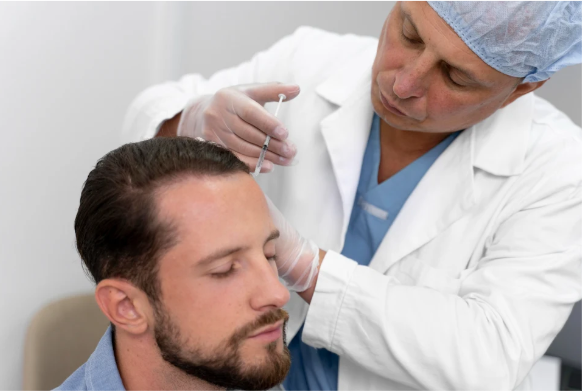
Deciding to move forward with a hair restoration procedure is rarely a quick decision. It usually follows months, sometimes years, of watching a hairline recede a little further or a crown thin a little more, trying different shampoos and supplements, and finally accepting that a permanent solution is worth exploring. Once that decision is made, the next challenge begins: figuring out who to trust with it. Anyone researching hair transplant Dubai clinics will quickly discover the city has no shortage of options, from long-established medical centers to newer clinics advertising heavily online.
That range of choice is a good thing for patients, but it also means the burden of due diligence falls squarely on the person considering the procedure. Asking the right questions before booking a consultation, let alone a surgery date, can be the difference between a natural, lasting result and a disappointing one.
1. What Technique Will Actually Be Used?
Not all hair transplants follow the same method. Follicular Unit Extraction (FUE) involves removing individual follicular units directly from the donor area, while older strip methods (FUT) remove a linear section of scalp tissue. Within FUE itself, there are variations involving different extraction tools and levels of automation. A clinic should be able to explain, in plain terms, exactly which technique will be used and why it suits a particular case, rather than offering a vague, one-size-fits-all answer.
2. Who Will Actually Perform the Procedure?
This question matters more than it might seem. In some clinics, a surgeon handles the consultation and initial extraction, while much of the actual implantation is carried out by technicians. That arrangement isn’t automatically a red flag, since experienced technical teams are common in high-volume clinics, but patients deserve to know exactly who will be doing what, and what qualifications and experience that team holds.
3. How Many Grafts Will Realistically Be Needed?
An honest clinic gives a graft estimate based on an actual scalp assessment, not a number picked to make a quote sound appealing. Overpromising graft counts, or underestimating them to lower the paper price, tends to catch up with patients later, either through unnatural density in some areas or insufficient coverage in others.
4. What Does the Donor Area Assessment Look Like?
The donor area, usually the back and sides of the scalp, is the source of every graft used in the procedure. A thorough consultation, particularly when considering a hair transplant in Dubai, should include a real assessment of donor hair density, scalp laxity, and hair characteristics like caliber and curl, since all of these factors influence both how many grafts can safely be harvested and how natural the final result will look.
5. Is Shaving the Donor or Recipient Area Required?
This is a genuinely practical concern for many patients, particularly those who can’t take extended time off work or prefer to keep the procedure private. Traditional FUE typically requires shaving the donor area to make graft extraction easier.
However, advances in technique now allow hair transplant without shaving the entire head in many cases, extracting grafts from a small, easily concealed section instead. Patients with specific concerns about visibility during recovery should raise this directly, since not every clinic offers this option, and it isn’t suitable for every case.
6. What Results Are Realistic for This Specific Case?
Hair transplant marketing often shows dramatic before-and-after photos, but individual results depend heavily on factors like the extent of hair loss, donor supply, hair characteristics, and scalp condition. A trustworthy consultation includes a candid discussion of what’s realistically achievable, including where density will be strongest and where it may be more limited, rather than only showing best-case examples from other patients.
7. What Happens During the Recovery Period?
Recovery isn’t a single event; it unfolds over months. Initial healing takes one to two weeks, but the transplanted hairs typically shed within the first month before regrowing gradually over the following six to twelve months. Patients should understand this timeline clearly beforehand, including any restrictions on exercise, sun exposure, and hair washing, so the process doesn’t feel alarming when normal shedding occurs.
8. What Aftercare and Follow-Up Support Is Included?
Post-operative care meaningfully affects the outcome. This includes guidance on medication, wound care, and scalp hygiene, as well as scheduled follow-up appointments to monitor healing and catch any complications early. Clinics that treat the procedure as complete the moment the patient walks out the door aren’t offering the same level of care as those who stay engaged through the full recovery timeline.
9. What Are the Potential Risks and Complications?
Every surgical procedure carries some risk, and hair transplantation is no exception. Infection, scarring, poor graft survival, and unnatural-looking results are all possibilities, even when rare. A clinic willing to discuss these risks honestly, rather than presenting the procedure as entirely risk-free, is generally more transparent across the board.
10. Can Previous Patient Results Be Reviewed?
Photos and testimonials should be approached thoughtfully, since they can be selectively curated. Still, reviewing a reasonable sample of a clinic’s past results, ideally at different stages of growth rather than only the most polished final photos, gives a more grounded sense of what the team consistently delivers.
Conclusion
Selecting where to have a hair transplant deserves the same scrutiny as any other significant medical decision. Technique, surgeon experience, donor assessment, recovery expectations, and aftercare all shape the outcome just as much as the procedure itself. Patients who ask direct questions and expect honest answers are far more likely to end up satisfied with their results.
For those specifically weighing discretion during recovery, it’s also worth confirming upfront whether a hair transplant without shaving is a realistic option for their particular case before committing to a clinic or a date. Cutis International is a Dubai-based aesthetic clinic offering personalized hair transplant procedures, including shave-free options, backed by experienced specialists and structured post-operative care throughout the recovery journey.