

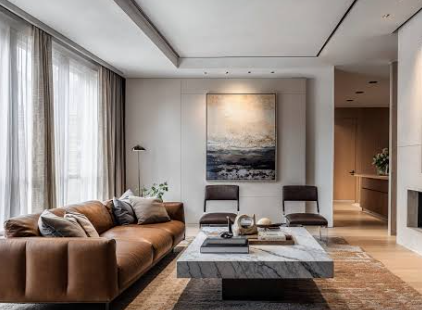
Lighting influences how a home looks, feels, and functions throughout the day. A room may contain attractive furniture and carefully selected finishes, yet still feel uncomfortable when its lighting is inadequate. Harsh overhead fixtures, poorly illuminated work surfaces, and dark corners can all affect the experience of a space.
Interior Design uses lighting to support everyday activities while establishing a comfortable atmosphere. Rather than depending on a single fixture, a layered approach combines different light sources to address practical and decorative needs. This method allows rooms to respond more naturally to changing activities and lighting conditions.
Greylyn Wayne can approach residential lighting by considering how people use each room during different parts of the day. A living area may require bright illumination for reading but softer lighting for evening relaxation. Understanding these differences helps create spaces that remain useful without sacrificing visual comfort.
Understanding the Three Layers of Lighting
Layered lighting generally combines ambient, task, and accent illumination. Each category serves a different purpose, although individual fixtures may contribute to more than one layer. The relationship between these sources determines how balanced and adaptable a room feels.
Ambient lighting provides general illumination that supports movement and everyday activities. Task lighting concentrates light where specific activities occur, while accent lighting draws attention to selected architectural or decorative features.
A successful arrangement does not require numerous fixtures in every room. It requires an appropriate combination of sources that respond to the space and its intended activities.
Ambient Lighting Establishes the Foundation
Ambient lighting creates the overall level of illumination within a room. Ceiling fixtures, recessed lights, wall-mounted fixtures, and indirect lighting may contribute to this foundation. The appropriate choice depends on room dimensions, ceiling height, and architectural features.
Relying exclusively on one central ceiling fixture can produce uneven illumination. Brightness may concentrate in the middle while corners and surrounding surfaces remain comparatively dark.
Distributing light more thoughtfully can improve the room’s overall atmosphere. The objective is comfortable visibility rather than making every surface equally bright.
Consider How Light Reaches the Walls
Illuminated walls can influence how spacious and welcoming a room feels. Light directed toward vertical surfaces helps reveal architectural details and reduce harsh contrasts. This approach may be particularly useful in rooms with limited natural daylight.
Task Lighting Supports Everyday Activities
Task lighting provides focused illumination for activities requiring greater visual attention. Reading, cooking, applying makeup, working, and preparing meals often benefit from dedicated light sources. General overhead illumination may not adequately support these activities.
A reading chair might require a nearby floor lamp, while a kitchen counter may benefit from lighting beneath upper cabinets. The position of each source matters because shadows can interfere with visibility.
Thoughtful task lighting helps residents perform activities comfortably. It also reduces the need to illuminate an entire room at maximum brightness for one localized task.
Accent Lighting Adds Depth and Character
Accent lighting emphasizes selected features within a room. Artwork, textured walls, shelving, and architectural details may become more noticeable when illuminated deliberately. These effects can introduce depth without requiring additional decorative objects.
However, accent lighting should not compete with every other element. Highlighting too many features can make a room feel visually restless.
Greylyn Wayne can use selective illumination to establish focal points that complement the surrounding furnishings. A restrained approach allows important details to stand out while preserving balance.
Color Temperature Influences the Atmosphere
Light sources can produce different appearances ranging from warm to cool. Color temperature, commonly expressed in kelvins, describes this characteristic. Lower values generally produce warmer-looking light, while higher values appear cooler.
Warm illumination often suits spaces intended for relaxation. Cooler or more neutral lighting may be useful in certain work areas where clear visibility is important.
Maintain Consistency Between Nearby Fixtures
Noticeably different color temperatures can create an unsettled appearance when fixtures operate together. Selecting compatible light sources helps maintain visual continuity. Individual areas can still have distinct lighting needs without introducing unnecessary contrast.
Brightness Should Match the Room’s Function
More light does not automatically create a better interior. Excessive brightness can produce glare, uncomfortable reflections, and an atmosphere that feels unnecessarily clinical. Insufficient illumination creates different problems by making routine activities difficult.
Brightness requirements depend on room size, surface finishes, fixture placement, and intended use. A kitchen preparation area generally has different needs from a bedroom intended primarily for rest.
Portland interior design services can help homeowners plan lighting arrangements that balance practical needs with the desired atmosphere. Appropriate illumination supports function while allowing the room to retain its intended character.
Natural Light Deserves Equal Consideration
Daylight changes throughout the day and influences how interior colors and materials appear. Window orientation, surrounding buildings, landscaping, and seasonal conditions can affect the amount of available natural light. Artificial lighting should respond to these existing characteristics.
Rooms receiving abundant daylight may require different lighting strategies from spaces with limited windows. Window treatments also influence how sunlight enters and spreads through an interior.
Homeowners should observe rooms at different times before making major lighting decisions. A space that appears bright at midday may require substantial additional illumination after sunset.
Living Rooms Benefit From Flexible Lighting
Living rooms frequently support conversation, reading, television viewing, and relaxation. A single lighting arrangement may not serve all these activities equally well. Combining several sources allows the atmosphere to change without rearranging the room.
Table lamps and floor lamps can provide comfortable illumination near seating. General lighting supports movement, while selected accent sources can emphasize artwork or architectural details.
The arrangement should also account for television screens and reflective surfaces. Poorly positioned fixtures may create distracting glare during evening use.
Kitchens Require Practical Lighting Placement
Kitchen lighting should support food preparation, cleaning, cooking, and movement. General ceiling illumination establishes visibility, but work surfaces may require additional attention. Cabinets and other features can cast shadows when fixtures are poorly positioned.
Under-cabinet lighting can illuminate countertops where appropriate. Pendant fixtures may contribute useful light above islands, depending on their height and placement.
Decorative appearance should not interfere with kitchen tasks. The most successful arrangement combines suitable visibility with a coordinated overall design.
Bedrooms Need Comfortable Lighting Options
Bedrooms serve different purposes throughout the day. Residents may need adequate illumination while dressing, softer lighting while relaxing, and localized light for reading. A flexible arrangement can accommodate these needs without overwhelming the space.
Bedside lamps or wall-mounted reading fixtures provide focused illumination. General lighting remains useful for cleaning, organizing, and other activities.
Greylyn Wayne can consider these practical requirements while maintaining a restful bedroom atmosphere. The goal is to make lighting convenient and comfortable rather than unnecessarily elaborate.
Dimmers Provide Greater Control
Dimmers allow compatible lighting systems to operate at different brightness levels. This flexibility can help a room transition between active daytime use and quieter evening activities. Their effectiveness depends on suitable fixtures, lamps, and electrical controls.
Not every light source works properly with every dimmer. Compatibility should be confirmed before installation to avoid flickering or unreliable performance.
Qualified electrical professionals should handle modifications requiring electrical work. Appropriate installation supports both safe operation and dependable lighting control.
Lighting Fixtures Should Complement the Architecture
Fixtures contribute to a room’s appearance even when switched off. Their dimensions, materials, finishes, and placement influence the surrounding composition. A decorative fixture should therefore relate to the architecture rather than compete with it.
Ceiling height and furniture arrangement can help determine appropriate fixture proportions. Wall sconces, pendants, and chandeliers should also be positioned with practical clearance in mind.
A coordinated selection does not require identical fixtures throughout the home. Consistent materials or complementary forms can establish continuity while allowing individual rooms to retain their character.
Thoughtful Lighting Creates a More Comfortable Home
Effective lighting brings together visibility, atmosphere, and architectural character. Ambient illumination establishes the foundation, task lighting supports specific activities, and accent lighting adds carefully controlled emphasis. Their combined effect can make everyday spaces more comfortable and visually engaging.
A layered approach also allows homeowners to respond to different times of day and changing household activities. Fixture placement, brightness, color temperature, and natural daylight all contribute to the finished result.
By treating lighting as an essential part of the home’s overall plan, homeowners can create interiors that feel both functional and inviting. The strongest arrangements support daily routines while allowing the beauty of each room to emerge naturally.