

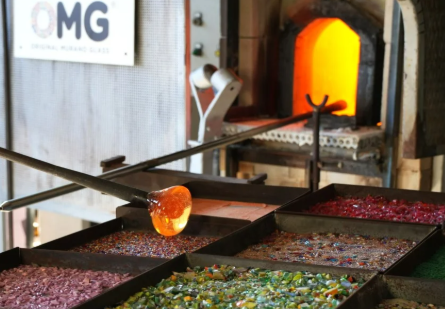
A visit to an OMG Murano Glass factory is a memorable way to discover one of Venice, Italy’s most celebrated artistic traditions. Located in the Venetian Lagoon, the island of Murano is renowned for its centuries-old glassmaking heritage, where skilled master glassmakers transform molten glass into colourful vases, delicate sculptures, decorative objects and contemporary works of art. Visiting OMG offers an opportunity to explore this craftsmanship up close and learn how traditional glassmaking techniques continue to inspire modern design.
Whether you are interested in Italian history, handmade art, interior design or unique family activities, an OMG Murano glass tour provides an engaging introduction to the island’s cultural heritage. Depending on the experience you choose, you can watch a live glassblowing demonstration, discover traditional production methods or take part in a private, hands-on workshop to create your own glass piece with guidance from a master glassmaker.
This guide explains what to expect when visiting OMG Murano Glass, how traditional glassmaking demonstrations work, how to choose between a factory tour and a hands-on workshop, and what to know before planning your visit to Murano.
Why Visit a Murano Glass Factory?
Murano has been closely associated with Venetian glassmaking for centuries. In 1291, Venetian authorities ordered the city’s glassmakers to move their furnaces to Murano, a decision commonly linked to fire safety in Venice’s densely built centre. Over time, the island developed an international reputation for glassmaking expertise, artistic innovation and distinctive decorative techniques.
Today, Murano combines historic craftsmanship with contemporary creativity. Traditional workshops produce everything from drinking glasses and jewellery to elaborate chandeliers, sculptural pieces and bespoke decorative objects.
A factory visit offers something that a shop or museum cannot always provide: the opportunity to observe the production process. Watching an artisan work with glowing molten glass helps explain the precision, speed and experience required to create a finished object.
For travellers seeking an authentic cultural activity near Venice, a glass factory visit can also provide a deeper understanding of the relationship between local history, artistic expression and traditional manufacturing.
What to Expect During a Murano Glass Tour
A Murano glass tour varies according to the workshop, the demonstration format and the activities included. Some visits focus on a short glassblowing presentation, while others combine a guided explanation of the craft with time to explore finished artworks.
- A Live Glassblowing Demonstration
For many visitors, the highlight is watching a master glassmaker work with molten glass.
The artisan gathers a portion of hot glass on the end of a hollow metal pipe, then rotates and shapes it using specialised tools. By blowing air through the pipe, the glassmaker creates a bubble inside the material and gradually forms it into the desired shape.
The process requires careful control because glass becomes less workable as it cools. The artisan must maintain the correct temperature, adjust the shape continuously and sometimes return the piece to the furnace to keep it workable.
During a Murano glass demonstration, visitors may see a simple vessel, decorative object or other form take shape within minutes. More complex pieces can require several artisans working together and additional stages of shaping and finishing.
The demonstration reveals why traditional glassblowing is a specialised craft that demands extensive practice and technical knowledge.
- An Introduction to Traditional Glassmaking Techniques
A factory visit may also introduce visitors to the different methods used to create distinctive Murano glass designs.
- Glassblowing: Shaping molten glass by blowing air through a pipe while rotating and manipulating the material.
- Murrine: Using sections of patterned coloured glass canes to create decorative designs within a glass object.
- Filigrana: Incorporating fine glass threads to produce delicate stripes, twisted patterns or intricate linear effects.
- Glass sculpting: Manipulating hot glass to create figures, abstract forms and decorative artworks.
- Finishing and polishing: Refining the surface or edges of an object after it has cooled sufficiently.
Not every workshop demonstrates all these methods. If you have a particular interest in a technique, check the factory’s programme before booking.
- A Look Inside a Traditional Murano Furnace
The furnace is essential to the glassmaking process because it keeps the material at the high temperatures required for shaping.
Inside a working glass factory, visitors may observe artisans gathering molten glass, reheating pieces and using specialised equipment to achieve the intended form. The production area can be extremely hot, particularly near the furnace, and visitors must follow the workshop’s safety instructions.
The furnace also illustrates an important aspect of the craft: timing. Glassmakers must work efficiently while the material remains workable, balancing temperature, movement and precision throughout the process.
- A Showroom Featuring Finished Glass Art
Many factory visits include access to a showroom where visitors can examine completed pieces. Depending on the workshop, the collection may include vases, bowls, glass sculptures, jewellery, decorative figures, tableware and lighting.
A showroom provides an opportunity to appreciate details that may be difficult to notice during a live demonstration, such as layered colours, intricate patterns and carefully finished surfaces.
Some workshops specialise in traditional Venetian designs, while others showcase contemporary pieces created for modern interiors and art collections.
How to Choose the Right Murano Glass Factory
Not every glassmaking venue offers the same visitor experience. Choosing a factory that matches your interests can help you make the most of your time on the island.
Check for live demonstrations. If you want to watch artisans work with molten glass, confirm that a demonstration is included. A retail showroom alone does not necessarily provide access to a working furnace.
Review the tour format. Some experiences include a guide who explains the production process, while others focus primarily on observing the artisan. Consider whether you prefer a short presentation or a more detailed introduction to glassmaking.
Confirm the duration and schedule. Demonstration times and opening hours vary. Checking the schedule in advance can help you plan transportation and other activities.
Consider your interests. Art enthusiasts may prefer a visit that explores techniques and design, while families may favour a shorter demonstration with clear explanations and accessible viewing areas.
Ask about additional costs. Some demonstrations are complimentary, while guided experiences or specialised tours may charge an admission fee. Check what is included before confirming your visit.
How to Get to Murano From Venice
Murano is easily accessible from Venice by waterbus, known locally as the vaporetto. Several routes connect the island with different parts of Venice and the surrounding lagoon.
Before travelling, check the current ACTV timetable and identify the stop closest to your chosen factory. Allow extra time to walk from the landing stage to the workshop, especially if you have a scheduled demonstration.
Some organised excursions and private boat services also include Murano as part of a wider Venetian Lagoon itinerary.
If you are visiting during the busy spring and summer travel seasons, planning your route and checking the factory’s availability in advance can make the day more straightforward.
Can You Buy Authentic Murano Glass?
Many visitors choose to purchase a piece of glass as a souvenir, gift or collectible after their tour. Common items include decorative bowls, vases, jewellery, sculptures, drinking glasses and bespoke lighting.
Prices depend on the object’s size, design complexity, materials and production method. A small decorative piece may be relatively affordable, whereas a large sculpture or elaborate chandelier can represent a significant investment.
If authenticity is important to you, ask where the item was produced, who made it and whether the seller provides documentation about its origin. Do not assume that every glass object sold in Venice was manufactured on Murano.
A factory visit can help you better understand the skill involved in producing handmade glass and make more informed decisions when purchasing an object.
Practical Tips for Visiting a Murano Glass Factory
A little preparation can make your visit more enjoyable.
- Book ahead when necessary: Confirm whether reservations are required and whether demonstrations run at specific times.
- Arrive early: Allow enough time to find the workshop and settle into the visitor area before the demonstration begins.
- Follow safety instructions: Stay within designated areas and supervise children around working equipment.
- Check photography rules: Some factories restrict photography or video recording during demonstrations.
- Allow time to explore: Murano has picturesque canals, historic buildings and independent studios worth discovering after your factory visit.
- Plan purchases carefully: For expensive or fragile pieces, ask about packaging, shipping and care instructions.
These simple steps can help you combine the factory experience with a broader exploration of Murano’s artistic heritage.
Frequently Asked Questions
How long does a Murano glass factory tour take?
A short demonstration may last approximately 15–30 minutes, while a guided visit or experience that includes a showroom can take longer. The exact duration depends on the factory and the activities offered.
Are Murano glass demonstrations free?
Some factories offer complimentary demonstrations, often alongside a showroom, while others charge for guided tours or specialised experiences. Check the current terms before visiting.
Is a Murano glass factory suitable for children?
Many demonstrations are interesting for families, but working furnaces involve high temperatures and potentially restricted areas. Check the venue’s age policies and safety requirements before booking.
Do I need to reserve a Murano glass tour in advance?
Advance reservations can be useful during busy travel periods or when you want to attend a demonstration at a particular time. Availability and booking requirements vary between factories.
Plan Your Visit to a Murano Glass Factory
Visiting a Murano glass factory offers an opportunity to discover the techniques, history and artistry behind one of Venice’s most recognisable traditions. From watching molten glass take shape to learning about decorative methods and exploring finished artworks, the experience provides a closer look at the craftsmanship that has defined Murano for generations.
Before setting out, choose a workshop that offers the experience you want, confirm whether a live demonstration is included and check transportation arrangements from Venice.
Visit MuranoGlassFactory.com is a useful starting point for travellers researching Murano glass tours, traditional glassmaking and factory demonstrations. With a little planning, you can turn a visit to the island into a memorable cultural experience and gain a new appreciation for the artistry behind Murano glass. Visits are by appointment only, and bookings must be made through the website.