


Charging speed is where solar generators disappoint people who expected the panel rating to translate directly into stored energy. In practice, the number on the box is a best-case figure, and light, temperature, and system matching each take a bite out of it. Understanding those three factors turns a vague sense of underperformance into a set of adjustments that actually help. This article explains what slows charging down, how to recognize each cause, and the practical steps that get the most from the panels you already own. The good news is that most of the loss is recoverable with small changes. None of them requires a bigger budget. They require noticing what the system is doing.
Light Conditions
Shade and seasonal variation
Shade is the most common culprit. A single leaf, a chimney, or a railing can cut output from an entire panel string, and the loss is larger than the shaded area suggests because the weakest cell limits the current. Seasonal variation matters too: a winter sun sits lower and weaker, and short days reduce the total energy even on clear afternoons. Watch the array at different times of day and in different months, and trim or relocate whatever casts the shadow. The cheapest improvement is usually a pair of pruning shears. A dirty panel loses output too, so clean it when the rain stops. Snow should be brushed off gently, never scraped.
Sun angle and panel orientation
A panel produces the most when the sun hits it squarely. A fixed panel at the wrong angle loses output all day, and a portable panel left flat on the ground loses even more. Set the tilt close to the local latitude for a year-round compromise, or adjust it a few times a year for a seasonal gain. Face the array toward the equator, and move portable panels two or three times a day to follow the sun. Small adjustments cost nothing and often recover more than adding a panel. A cheap inclinometer removes the guesswork from the tilt. Mark the best position on the mount so you can return to it.
Temperature
Thermal throttling when hot
Heat is the quiet enemy of both batteries and panels. A panel’s output falls as its temperature rises, and a pack that is already warm accepts charge more slowly to protect its cells. On a hot roof or a sun-baked balcony, the system may throttle just when the sun is strongest. Anyone comparing the best home generators for power outages should watch how the unit behaves in heat, because summer is when charging matters most. Shade the panel’s back, leave air gaps for ventilation, and keep the generator out of direct sun while charging. A small fan or a shaded stand can make a measurable difference. Watch the charge rate at midday, when throttling shows up.
Slow charging in freezing cold
Cold slows the chemistry. Below freezing, a lithium pack may refuse to charge at all until it warms up, and even above that point the acceptable current drops. A unit that works well in summer can feel sluggish in a winter outage. Bring the pack indoors to warm before charging, and avoid charging on a freezing morning when the sun is still low. Patience in cold weather protects the cells from damage that no warranty covers. A pack that is cold-soaked takes hours to warm, so plan ahead. Never charge a frozen pack in a hurry. An insulated bag helps it stay warm on the way back inside. Patience is cheaper than a replacement.
System Matching
Panel voltage and current vs input specs
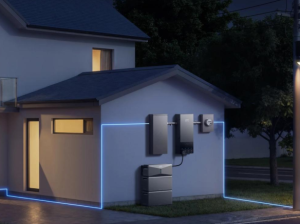
Every generator has an input window, and a panel outside it wastes its potential. If the panel voltage is too low, the controller cannot start; if it is too high, the input may shut down for protection. Current matters as well, because the input has a limit that the array can exceed. The Anker SOLIX E10 Whole-Home Backup, for instance, splits solar input across two 4,500W channels and accepts 30 to 450V DC, so one array can be wired to suit the site—and that flexibility keeps charging available across most of the year. Matching panels to that window is the single biggest determinant of real-world charging speed. Check the label before you connect a new panel. A mismatch can be invisible until output drops.
MPPT vs PWM and cable loss differences
The controller type changes how much of the panel’s output reaches the battery. MPPT tracks the panel’s best operating point and typically harvests more energy than a simpler PWM controller, especially when the panel voltage is well above the battery voltage. Cable loss matters too: thin, long runs shed power as heat, and corroded connectors add resistance. Keep cables short and thick, use good connectors, and prefer MPPT when the budget allows. These details are invisible on a spec sheet but add up over a season. Shorter cables help more than most people expect. Clean connectors once a season, and replace corroded ones. A tidy install is easier to diagnose when something changes.
Conclusion
Light, temperature, and matching are the three factors that control charging, and each one is manageable. Clear the shade, set the angle, keep the hardware cool, warm a cold pack before charging, and match the array to the input window. None of these steps requires new equipment, and most of them cost only attention. A solar generator that charges well is rarely the one with the biggest panel; it is the one whose owner understands what the panel is actually doing. Measure the charge rate before and after each change, so you know what worked. The numbers will tell you where the next gain is. That is more useful than any general advice.