

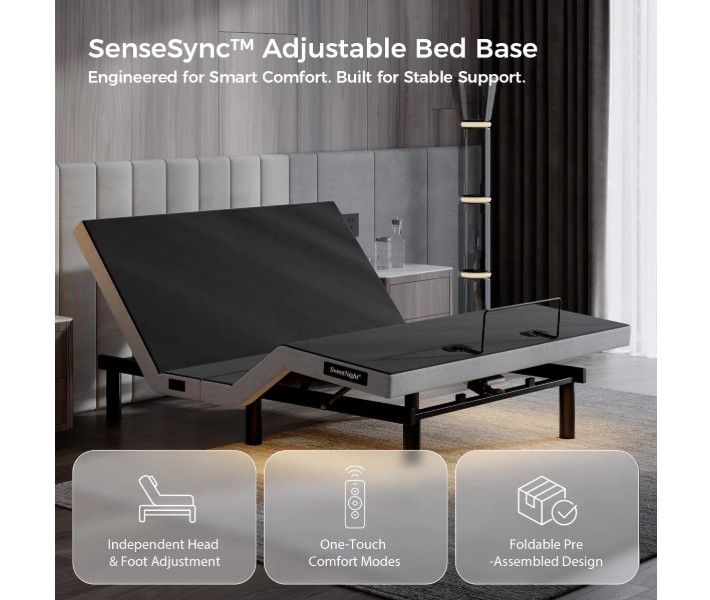
When a bedroom feels uncomfortable at night, turning down the thermostat can seem like the obvious solution. Yet sometimes the problem is not simply the temperature. A pillow may push the head forward, the shoulders may feel crowded, or the body may settle into a position that makes it difficult to relax. After several adjustments to the blankets and pillows, the room may feel no more comfortable than it did before.
The position of the bed can influence these experiences more than many sleepers realize. A king adjustable bed frame allows the head and foot sections to move into different positions, creating opportunities to adjust posture without rearranging the entire bedroom. The key is understanding when a change in angle may improve comfort, when it could make things worse, and how to tell the difference between a positioning problem and a room-temperature problem.
The Thermostat Cannot Fix Every Kind of Discomfort
Temperature is only one part of the sleep environment. A room can be cool enough while the body still struggles to settle comfortably. Poor pillow alignment, pressure around the shoulders, an awkward leg position, or a mattress that does not suit the sleeper can all contribute to frequent movement during the night.
These problems sometimes get mistaken for overheating. A person who cannot settle may throw off a blanket, turn over repeatedly, or move toward the edge of the bed. Those actions can briefly change how the body feels, but they do not necessarily address the original cause.
Consider someone who spends the first part of the evening reading with several pillows behind their back. When those pillows slide down, the sleeper may bend forward or tense the shoulders to remain upright. Later, when trying to sleep, the same person may continue adjusting the head and neck because the body has not found a comfortable position.
Lowering the thermostat might make the room colder, but it will not correct that posture. Before changing the temperature again, it makes sense to check whether the body is resting in a position that feels natural and supported.
How a Small Change in Angle Can Affect the Whole Body
The head, shoulders, hips, and legs work together to support a sleeping position. Changing the angle of one part of the bed can alter how weight is distributed across the mattress, which may affect the pressure felt in other areas.
When the head section is raised
A modest head elevation can be useful for reading, watching television, or relaxing before sleep. It allows the upper body to rest at an angle without relying entirely on a tall stack of pillows. For some people, this feels more comfortable than sitting upright against a headboard.
The angle still matters. Raising the head too far may push the chin toward the chest or create tension around the neck and shoulders. A position that feels pleasant for ten minutes may become uncomfortable if maintained for much longer.
A practical approach is to begin with a small adjustment and notice how the neck, upper back, and shoulders respond. The goal is not to create the steepest possible incline. It is to find a position that feels supported without requiring the muscles to work unnecessarily.
When the foot section moves
Elevating the lower legs changes the relationship between the hips, knees, and ankles. Some sleepers prefer a slight bend at the knees because it changes the pressure they feel around the lower back. Others may find that a raised foot section makes them feel confined or creates an unfamiliar sensation.
Neither response is unusual. Body proportions, flexibility, existing discomfort, and sleeping habits all influence what feels comfortable. The most useful setting is the one that supports a relaxed posture rather than forcing the body into a particular shape.
It is also important to distinguish comfort from medical treatment. Adjustable positioning may help someone find a more pleasant resting posture, but persistent pain, swelling, breathing difficulties, or other ongoing symptoms deserve appropriate medical advice rather than increasingly extreme bed adjustments.
Why Couples May Need Different Settings on the Same Bed
A shared king bed provides plenty of room, but extra width does not mean two people will prefer the same position. One partner may enjoy reading with the head raised, while the other wants to lie flat as soon as they get into bed. A person who works at a desk all day might prefer a different resting position from someone who spends much of the day standing or moving around.
Independent adjustment can help accommodate these differences. Instead of negotiating a single angle for the entire mattress, each sleeper can choose a position that suits their own routine, provided the bed’s design supports separate movement.
Different preferences can also explain why one partner keeps adjusting the room temperature. The warmer-feeling sleeper may be moving repeatedly because their position creates pressure or discomfort, while the other partner remains settled beneath the same bedding. That does not mean posture is always the cause of feeling hot, but it is worth considering alongside clothing, bedding, and room conditions.
Mattress Support Determines Whether the New Angle Feels Natural
An adjustable base changes the position of the sleeping surface, but the mattress determines much of how the body feels against it. A mattress that bends appropriately with the base can maintain a more consistent contact surface as the angle changes. A mattress that is unsuitable for the base may bunch, resist movement, or feel different in ways that interfere with comfort.
Firmness and pressure relief also matter. A very firm mattress may create uncomfortable pressure around the shoulders or hips for some side sleepers. A softer mattress may allow another sleeper’s hips to sink more than they prefer. Changing the bed angle cannot fully compensate for a mattress that does not provide suitable support.
The same applies to temperature. Some mattresses feel more enveloping because their comfort layers contour closely around the body. Other designs may feel less conforming. Cover fabrics, foam construction, bedding, and room conditions can all influence the overall sensation, so it is important to consider the complete setup rather than one feature in isolation.
Cooling the Bed Starts With Understanding Heat Sources
A cool room does not automatically create a cool sleeping surface. Mattresses and bedding remain in close contact with the body, and the layers surrounding a sleeper can influence how heat and moisture are experienced.
Room humidity is particularly important. When the air contains a great deal of moisture, sweat evaporates less efficiently, making the body feel sticky or warm. Heavy bedding can add to that sensation by limiting airflow near the skin. In these circumstances, changing the angle of the bed may improve posture, but it will not remove humidity from the air.
Bedding is a useful place to begin. Thick comforters, dense mattress pads, and some protective covers can make the surface feel warmer than expected. Switching to lighter layers or a more suitable sheet can help determine whether the problem comes from the materials surrounding the sleeper.
Choosing a Mattress for a More Comfortable Night
When mattress temperature is a recurring concern, the best cooling mattress is not necessarily the one with the strongest cooling claim. Sleepers should also consider firmness, pressure relief, sleeping position, mattress construction, and compatibility with an adjustable base. These details help determine whether the mattress is likely to feel comfortable during ordinary use.
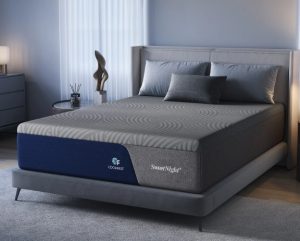
A useful comparison begins with personal needs. Side sleepers often pay close attention to cushioning around the shoulders and hips, while back sleepers may focus more on balanced support. People who change positions frequently may prefer a surface that allows them to move without feeling excessively restricted.
Cooling features should be evaluated as part of this broader picture. Materials designed to improve temperature comfort may help some sleepers, but results depend on the person and the surrounding conditions. No mattress can guarantee that a sleeper will remain cool in every room or climate.
It is also worth checking the manufacturer’s guidance for use with an adjustable base. Not every mattress is designed for every base, and the correct dimensions and compatibility specifications should be confirmed before purchase.
Where the CoolNest Mattress Fits Into the Decision
The SweetNight CoolNest Mattress is one product to consider when reviewing mattress comfort as part of a bedroom setup. Rather than treating a mattress as a quick fix for every nighttime problem, assess its construction, feel, size, and suitability for the intended base.
For someone who spends time reading in bed before sleeping, the transition from a raised position to a flatter sleeping position is particularly worth considering. The mattress should work with the base throughout the positions the sleeper intends to use. If two people share the bed, their different preferences for support and cushioning should also inform the decision.
The CoolNest Mattress may be worth examining alongside adjustments to the head and foot sections, bedding, and room temperature. Review the current product specifications and dimensions before choosing a model, especially when pairing it with an adjustable system. The best result comes from matching the mattress to the sleeper and the bed setup rather than expecting one product to solve every comfort concern.
A Simple Bedtime Test Before Changing the Room Temperature
Instead of making several changes at once, try a short, repeatable check over a few evenings. Begin in the position you usually use to read or relax. Adjust the head section slightly, then notice whether your neck and shoulders feel supported. If the foot section can be moved independently, test a modest adjustment and see whether it improves your overall comfort.
When you are ready to sleep, return to a position that feels natural rather than assuming the reading angle is also the best sleeping angle. Give yourself time to notice whether the discomfort eases. Avoid making dramatic changes, and follow the adjustable base manufacturer’s instructions.