

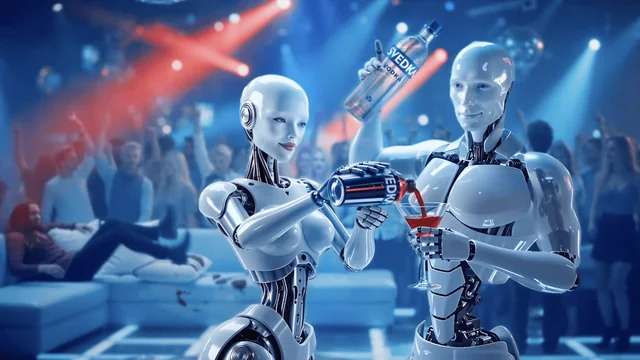
Viral ads used to require celebrity budgets, film crews and months of planning. Today, many brands also use AI creative agents that research audiences, write scripts, cast digital presenters and produce dozens of short ads in minutes, then let real-world performance decide which ones spread. Big celebrity commercials still dominate moments like the Super Bowl, but much of the everyday ad content flooding TikTok, Instagram and YouTube is now created faster, cheaper and in more variations than ever. What hasn’t changed is the need for a strong idea, honest messaging and respect for real people’s likenesses.
The spotlight is still expensive. The scroll is now wide open.
The Old Formula: Stars, Sets and Big Budgets
For decades, the most talked-about ads followed a familiar formula. A famous face, a clever script, a high-end production team and a prime-time slot during a major event like the Super Bowl or the Oscars.
These commercials became pop culture moments in their own right. Viewers discussed them at work the next day, media outlets ranked them and some catchphrases became part of everyday language. Industry awards such as Cannes Lions continue to celebrate the most creative campaigns from around the world.
But this model is slow and costly. A single high-profile commercial can take months to produce and involve large teams across casting, filming, editing and media buying.
The New Formula: Speed, Volume and Testing
Social media changed what “viral” means. Instead of one big ad seen by millions at once, brands now publish many short videos, test them with smaller audiences and push the winners further.
This shift rewards speed and experimentation. A brand might create ten different openings for the same product and let viewers decide which one works. That kind of volume would be expensive with traditional production, but AI tools have made it far more accessible.
How an AI Creative Agent Works
AI creative agents handle many of the steps a traditional ad team would split across several people. When Creatify launched its AI creative agent in May 2026, it described the system as working like a scriptwriter, director, casting agent and producer within a single conversation.
In the Creatify Agent workflow, a user describes a product or campaign goal, and the agent researches the brand, suggests strategy and hooks, writes scripts, selects AI presenters and produces finished ads for platforms like TikTok, Instagram, YouTube and Meta. Users can approve or redirect the work at each step.
Celebrity Ads vs AI-Made Ads
| Feature | Traditional celebrity ad | AI-made social ad |
| Budget | Very high | Low to moderate |
| Production time | Weeks to months | Minutes to hours |
| Number of versions | Usually few | Many variations |
| Star power | High | Depends on concept and presenter |
| Best for | Major cultural moments | Everyday social campaigns |
| Flexibility | Limited after filming | Easy to update and test |
Both approaches have a place. Big moments still benefit from celebrity appeal, while AI helps brands keep up with the constant demand for fresh content.
Looking Real Matters
Viewers are quick to spot something that feels fake. Early AI ads often showed faces that changed between scenes or products that looked distorted.
That’s improving quickly. Creatify Labs said its Boreal-H3 video model, released in October 2026, increased subject consistency from about 83% to 94% and cut visible defects by roughly 70% compared with its base model. More believable visuals make it easier for AI ads to fit naturally into social feeds.
The Celebrity Question
As AI gets better at creating realistic people, one issue matters more than ever: consent. Using a real celebrity’s face, voice or likeness without permission can raise serious legal and ethical problems.
Responsible brands should:
- Never imitate real celebrities without authorization.
- Use clearly fictional or licensed presenters.
- Avoid implying endorsements that don’t exist.
- Disclose sponsored content where required.
- Respect personal image rights in every market.
Several high-profile cases of fake celebrity endorsements circulating online have shown how quickly unauthorized AI content can damage trust.
What Still Makes an Ad Go Viral
Technology can speed up production, but it can’t replace a great idea. The ads people share usually have:
- A surprising hook in the first few seconds
- Humor, emotion or curiosity
- A clear message
- Cultural relevance
- A format that fits the platform
AI can generate many versions, but humans still decide which ideas truly connect.
Common Mistakes Brands Make
Brands experimenting with AI ads sometimes:
- Chase volume without a strong concept
- Use presenters that feel generic
- Skip fact-checking
- Imitate trends too closely
- Forget that audiences value authenticity
The Future of Ads Is Both
Big celebrity commercials aren’t disappearing. They’ll continue to define major cultural moments and generate headlines. At the same time, AI is transforming the everyday ads that fill social feeds, making it possible to create, test and refine campaigns faster than ever.
The brands that win will combine the best of both: memorable ideas, honest storytelling and the speed of modern AI tools.