

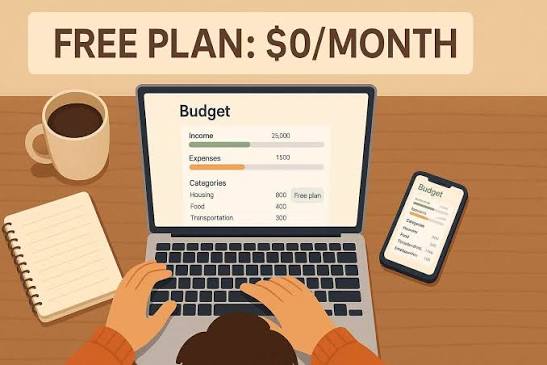
When budgeting and investing are separate, it can be confusing to manage money. New investors may have a good idea of how much they spend the money, but not how much they can invest safely.
With an online investing platform, this can be easier when you can visualise your goals and investments. There is also a calculator available on the internet to split up your income into the 50-30-20 rule. Let’s get a sense of how budgeting and investing can go hand in hand.
Why Budgeting and Investing are Often Treated Separately
While both budgeting and investing are important, they have different uses. Budgeting is a way to control money today. Investing can help you plan for future objectives.
- Budgeting Helps You Manage Monthly Expenses
Budgeting is about having an understanding of where your money is spent each month. This includes rent, groceries, bills, travel, mobile payments, insurance, and more. This is the first step for those who are new in the field. If you are unsure of what is necessary to spend, you can end up investing too much and dealing with problems later.
-
Investing Helps Your Money Grow
The concept of investing is about the growth of money in the future. It could be a mutual fund, stocks, bonds, or something else. Typically, people invest over the long term for retirement, education, home ownership, or wealth building. Patience is a key requirement of investing, as there may be time to wait for returns.
-
One Clear View Makes Planning Easier
If money planning and budgeting go together, it is easier to budget. Income, expenses, savings, and investments are available in one view. This will help you determine how much of your money can be allocated for investments after all your expenses are met.
How a 50-30-20 Rule Calculator Helps Beginners
The 50-30-20 rule helps you to divide your money into needs, wants, and savings and investments. A 50-30-20 rule calculator can do this for you in no time.
1. 50% Goes Towards Needs
The first 50% of your income is for needs. These are items that have to be paid for on a monthly basis. This can be for rent, food, bills, school fees, transport, and basic insurance. Here, you can learn how to manage your life on a day-to-day basis without consuming extra or investing.
2. 30% Goes Towards Wants
The next 30% is for wants. Here are items you like, but don’t necessarily require. Examples include eating out, shopping, movies, holidays, subscriptions, and entertainment. It also indicates where savings can be made if there is a need.
3. 20% Goes Towards Savings and Investments
The last 20% is for savings and investments. The funds can be invested in an emergency fund, SIPs, mutual funds, or other investment vehicles. It is advisable to save some money for unexpected expenses before starting up.
4. Simple Division Reduces Confusion
A calculator makes the process easy. You only enter your income, and it shows how much should go into each category. This saves time and avoids manual calculations. It also helps beginners understand if they are spending too much or saving too little.
5. Better Budgeting Makes Investing Easier
When your money is put to the test, investing is easier. You are aware of the amount of money you have remaining after your needs and wants. This allows you to invest without disrupting your day-to-day life.
Start Budgeting and Investing With More Clarity
Two systems aren’t necessarily required for budgeting and investing. Beginners are primarily interested in looking at income and expenditure, savings, and investments all in one place. The first step is to get your income split into the 50-30-20 method. It’s not about making money management hard. The goal is to create a habit that is easy, slow, and useful.