

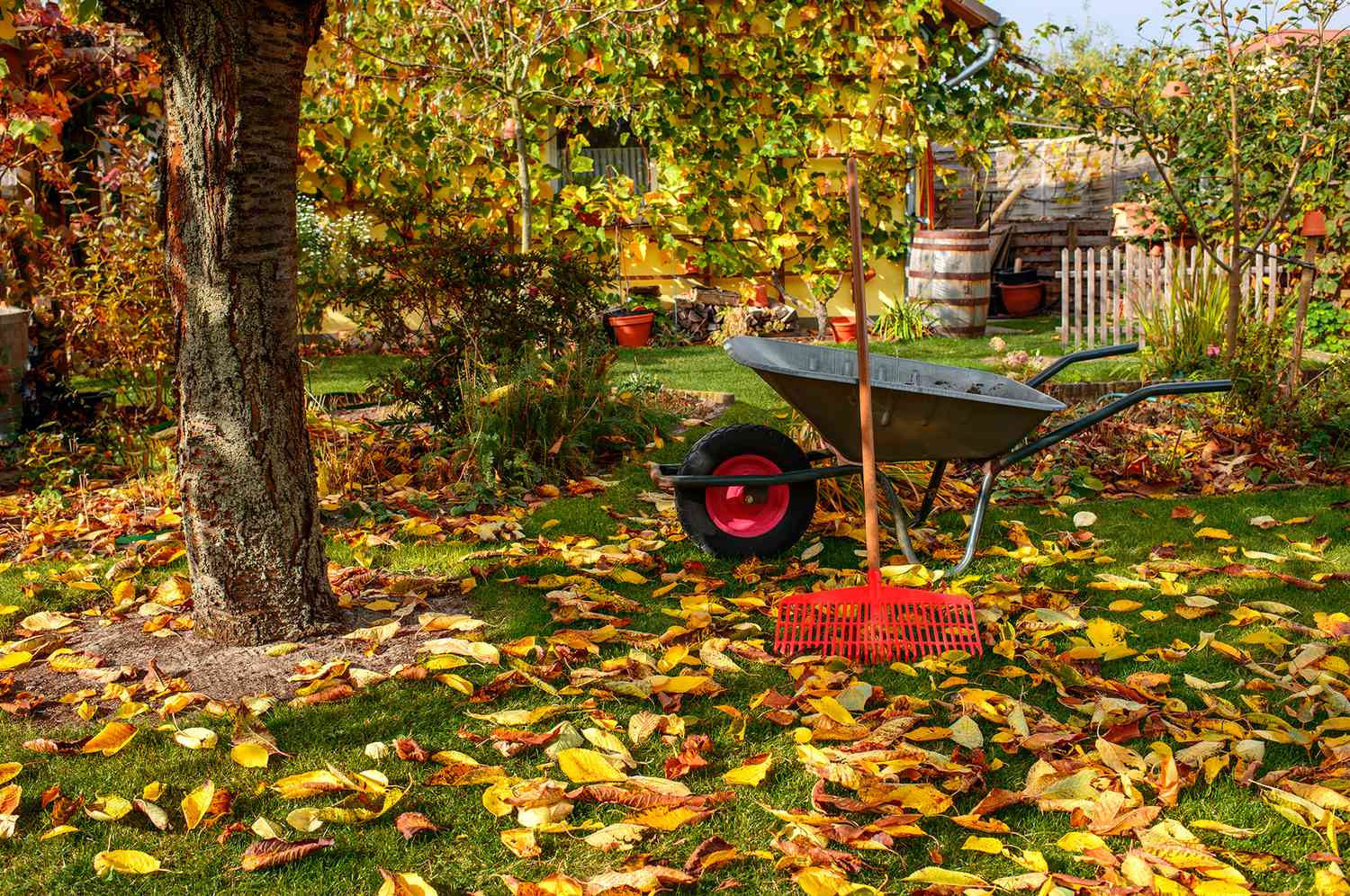
Fall is one of the most important seasons for building a stronger, greener lawn. Cooler temperatures, steady moisture, and reduced heat stress allow grass roots to recover and store energy before winter. With the right care, your yard can return in spring with better colour, density, and resilience.
Why Fall Lawn Care Matters
Grass does much of its root development in fall. Even when top growth slows, roots continue taking in nutrients and moisture. This makes autumn an ideal time to repair summer damage, improve soil health, and support long-term lawn strength.
Good fall maintenance also supports broader backyard landscaping goals. A healthy lawn helps frame garden beds, pathways, patios, and planting areas, giving the entire outdoor space a cleaner and more balanced appearance.
Clear Leaves Before They Cause Damage
Fallen leaves may look harmless, but thick layers can block sunlight, trap moisture, and encourage mould. Grass still needs light and airflow in fall, especially before snowfall. Regular cleanup helps prevent thinning, dead spots, and disease pressure.
- Rake or mulch leaves before they become wet and compacted
- Use shredded leaves as a light soil amendment in garden beds
- Avoid leaving heavy leaf piles on turf for more than a few days
Mow at the Right Height
Continue mowing as long as the grass is actively growing. Cutting too short can stress the lawn, while leaving it too long can invite matting and fungal issues. A moderate final mowing height helps protect the crown of the grass through winter.
For most cool-season lawns, the final cut should be slightly lower than summer height but not scalped. Sharp mower blades are important because clean cuts heal faster and reduce the chance of disease entering the leaf blade.
Feed the Lawn for Root Strength
Fall fertilizer supports root growth and winter hardiness. A slow-release product with balanced nutrients can help the lawn store energy for spring green-up. The goal is not rapid top growth, but deeper roots and stronger turf structure.
Apply fertilizer when the lawn is moist and rainfall is expected, but avoid spreading before heavy storms. Uneven application can cause streaks or patchy growth, so careful calibration and even passes are important.
Aerate Compacted Soil
Soil compaction limits oxygen, water, and nutrient movement. Core aeration removes small plugs of soil, creating channels that help roots breathe and expand. Fall is often a good time for aeration because grass can recover without summer heat stress.
High-traffic lawns, clay-heavy soil, and areas where water pools may benefit most. Many landscape contractors in Calgary understand how soil texture, grading, and seasonal moisture affect lawn recovery, especially in yards with mixed hardscape and planting zones.
Overseed Thin or Patchy Areas
Overseeding fills bare spots and improves turf density. Thicker grass naturally competes better with weeds and handles wear more effectively. Seed-to-soil contact is essential, so overseeding works best after raking, dethatching, or aerating.
- Choose seed suited to local light, soil, and moisture conditions
- Keep newly seeded areas consistently damp until germination
- Avoid heavy foot traffic while young grass becomes established
Water Deeply Before Winter
Fall watering is often overlooked, but dry soil can stress roots before freeze-up. If rainfall is limited, deep watering helps the lawn enter winter hydrated. This is especially helpful for newer sod, seeded areas, and lawns near trees with strong root competition.
Water less frequently than in summer, but aim for deeper moisture. Early daytime watering is best because it gives grass blades time to dry before cooler evening temperatures arrive.
Manage Weeds Before Dormancy
Many perennial weeds are still active in fall and moving energy into their roots. Removing them before winter can reduce spring competition. Hand pulling works well when soil is moist, especially for isolated broadleaf weeds.
Weed control should be paired with good lawn health practices. Dense turf, proper mowing, and improved soil conditions create fewer openings for unwanted plants to establish.
Protect the Lawn During Seasonal Cleanup
Fall yard projects can involve tools, materials, and repeated foot traffic. To protect grass, avoid storing heavy items on the lawn and move equipment routes when possible. Compaction and worn paths can be difficult to correct once winter arrives.
When planning larger outdoor updates, backyard landscaping choices should consider drainage, lawn access, shade patterns, and maintenance needs. These details help the lawn function well within the overall yard design.
Spring Results Begin in Fall
A healthier spring lawn starts with steady autumn care. Leaf cleanup, mowing, feeding, aeration, overseeding, watering, and weed management all work together. Practical planning, including insight from landscape contractors in Calgary , can help align lawn care with the needs of the entire outdoor space.