

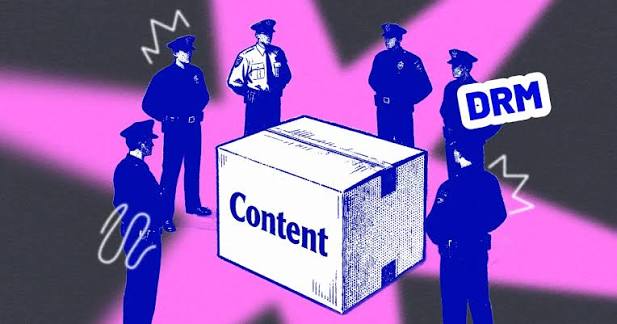
Protecting premium video content has become essential for media companies, OTT platforms, and broadcasters. Increasing cases of unauthorized sharing, piracy networks, and content leaks have made security systems a key part of digital infrastructure. Modern streaming services now rely on multiple layers of protection to ensure safe and controlled media delivery across different devices, operating systems, and regions. These advanced security frameworks help maintain strict control over how content is accessed, distributed, and viewed.
In this environment, digital content protection is crucial for safeguarding content integrity, preventing misuse, and ensuring secure viewing experiences globally.
Multi-DRM Framework for Secure Playback
One of the foundational elements of streaming security is Multi-DRM technology. It ensures that video content is encrypted and only accessible under controlled conditions. Leading DRM systems such as Widevine, FairPlay, and PlayReady are commonly used to secure playback across browsers, mobile apps, and smart devices.
When a viewer requests content, the DRM system verifies device compatibility and user authorization before issuing decryption keys. Without valid permission, the content remains locked and inaccessible. This process prevents unauthorized copying, screen capture misuse, and playback outside approved environments.
Multi-DRM support also allows streaming services to deliver consistent protection across different operating systems and device ecosystems, ensuring uniform security standards for all users.
Encryption and License Control Mechanism
Encryption is at the core of streaming security architecture. Video files are converted into encrypted formats before distribution, ensuring that raw content cannot be accessed directly. The decryption process is tightly controlled through license servers that validate every playback request.
Each license is issued based on defined rules such as device type, user authentication, and viewing permissions. This ensures that only legitimate users can access content under approved conditions.
By separating encrypted content from decryption keys, streaming platforms significantly reduce the risk of data exposure even if files are intercepted during transmission.
Forensic Watermarking for Source Identification
Forensic watermarking is another critical layer in modern content security systems. It embeds invisible identifiers into video streams without affecting playback quality. These identifiers are unique to each user session or distribution channel.
If pirated copies of content appear online, watermark data can be analyzed to trace the origin of the leak. This helps content owners identify whether the breach occurred at the user level or through a distribution partner.
Unlike traditional blocking methods, watermarking focuses on traceability, enabling platforms to respond with accurate source identification and preventive action.
Real-Time Anti-Piracy Monitoring
Streaming platforms require continuous monitoring to detect unauthorized content distribution across the internet. Real-time tracking systems scan websites, social media platforms, and streaming portals for illegal copies of protected content.
Once detected, these systems trigger automated responses such as takedown requests and infringement reporting. This reduces the time gap between piracy detection and enforcement action.
The ability to respond quickly is especially important for live broadcasts, where unauthorized streams can spread rapidly within minutes if not controlled effectively.
Distributor Level Tracking and Accountability
Content often moves through multiple distribution partners before reaching viewers. Each stage of this distribution chain introduces potential security risks. To address this, modern protection systems implement distributor-level tracking mechanisms.
Each partner in the content supply chain is assigned unique identifiers embedded within the video stream. If a leak occurs, these identifiers help determine the exact point of compromise.
This approach ensures accountability across the entire distribution network and helps organizations maintain tighter control over content flow from production to end users.
Cloud-Based Scalability for Streaming Security
Streaming platforms must handle large volumes of users simultaneously, especially during live events or major releases. Cloud-based security architecture allows DRM and protection services to scale dynamically based on demand.
This ensures uninterrupted playback and consistent license delivery even during traffic spikes. The cloud infrastructure also distributes security processing across multiple regions, enabling streaming servers to deliver content with higher reliability and lower latency for global audiences.
Developers benefit from API based integration, which simplifies deployment and reduces operational complexity while maintaining enterprise-level protection.
Compliance and Industry Security Standards
Content protection systems are designed to align with global security and compliance standards followed by major media organizations. These frameworks define strict requirements for encryption, content handling, and distribution security.
Adhering to such standards ensures that streaming platforms maintain trust with studios, broadcasters, and content creators. It also ensures compatibility with industry-approved security practices used in premium content distribution.
Compliance-driven design helps platforms secure high-value content while meeting contractual and regulatory obligations.
Protection for Live Events and Sports Streaming
Live streaming environments are highly vulnerable to piracy because content is time-sensitive and widely targeted. Modern protection systems combine DRM encryption, watermarking, and real-time monitoring to secure live broadcasts.
During live sports or entertainment events, even short delays in detecting piracy can lead to large-scale unauthorized distribution. Integrated security systems help reduce this risk by identifying and responding to threats immediately.
This ensures that legitimate audiences receive uninterrupted access while unauthorized streams are controlled efficiently.
Mobile and Application Layer Security
Streaming security extends beyond video delivery into mobile applications and connected devices. Application layer protection focuses on preventing tampering, reverse engineering, debugging, and unauthorized code modification.
By securing the application itself, platforms reduce the risk of attackers bypassing DRM systems or extracting sensitive data. This ensures consistent protection across mobile phones, smart TVs, and other connected devices.
Application-level security strengthens the overall ecosystem by protecting both the content and the environment in which it is accessed.
Conclusion
Streaming platforms today rely on advanced security layers to prevent piracy, leaks, and unauthorized usage of digital media. Through encryption, DRM systems, watermarking, monitoring tools, and application-level safeguards, content is delivered in a controlled and secure manner across devices and regions. These combined methods strengthen platform reliability, protect revenue, and ensure safe distribution. Effective digital content protection is key to maintaining this secure streaming environment.
If you are looking for secure streaming protection solutions, Doverunner is a cybersecurity company specializing in protecting streaming platforms and mobile applications from piracy, hacking, and unauthorized access. It offers multi-DRM solutions, forensic watermarking, real-time anti-piracy monitoring, distributor tracking, and mobile app security tools. These services help media companies secure digital content, prevent leaks, and ensure safe, scalable, and compliant content delivery across global platforms.