

Baby shopping has a funny way of snowballing. You start out thinking you need a few basics, then suddenly you are comparing six different types of blankets, wondering whether you need three changing mats, and being told that a gadget you had never heard of yesterday is apparently “essential.”
More parents are starting to push back against that. Instead of buying everything just because it exists, they are thinking more carefully about what is actually useful, what it is made from, and how long it is likely to last. Sustainability is becoming part of that conversation, but in a much more practical, everyday way than simply choosing products with an “eco” label.
What Is This Actually Made From?
This is becoming a much more common question for parents to ask.
When something is going to be used around a baby every day, whether that is clothing, bedding, nursery accessories, or soft furnishings, it makes sense to pay attention to the materials involved. That has helped increase interest in natural options such as wool, organic cotton, wood, and natural latex.
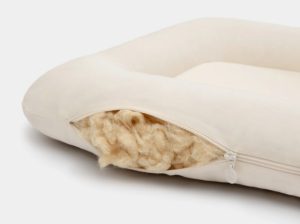
For example, parents looking at nursery comfort products might come across a Home of Wool baby lounger pillow while researching products made with natural materials.
Of course, nobody wants to buy something purely because it sounds sustainable. It still needs to work for real family life. Comfort, practicality, durability, and ease of care all matter too.
The “Use It for Three Weeks” Problem
Anyone who has spent time around babies knows just how quickly things can become too small or unnecessary.
That tiny outfit you bought in advance? Worn twice. The product you were convinced would completely transform your routine? Possibly sitting untouched in a cupboard.
This is one reason parents are becoming more interested in longevity. If a product can survive being used regularly, stored, handed down to another child, or passed on to somebody else, it instantly feels like a more worthwhile purchase.
It also challenges the idea that the cheapest option is automatically the best deal. Something that costs slightly more but survives years of use may end up being better value than something that needs replacing after a short time.
Secondhand Is No Longer a Last Resort
There was once a sense that preparing for a baby meant buying everything brand new. That attitude has changed considerably.
Parents now regularly swap, sell, and pass on baby clothes, toys, books, furniture, and other items. And really, it makes sense. Babies can outgrow things before they have had a chance to show much wear at all.
There are products where buying secondhand requires more caution, particularly when safety standards, hygiene, recalls, or unseen damage could be an issue. But for plenty of everyday items, giving something a second or third life can save money and reduce unnecessary waste at the same time.
Yes, Parents Notice the Giant Box
The product itself is only part of the sustainability story.
Ordering one small nursery item and receiving it in an enormous box filled with plastic packaging can feel pretty ridiculous. As shoppers become more environmentally aware, these details are harder to ignore.
Brands using appropriately sized boxes, recyclable materials, less plastic, and minimal wrapping can leave a better impression. It might sound minor, but when families are ordering multiple products over several months, all that packaging starts to look like a much bigger issue.
Not Every Baby Gadget Needs to Come Home With You
Perhaps the biggest sustainability trend is also the simplest: parents are getting better at saying, “Do we actually need this?”
There is no shortage of advice telling new parents what they absolutely must buy before their baby arrives. The trouble is that different families need completely different things.
Waiting until a need actually comes up can stop a lot of barely used products from piling up around the house. Borrowing equipment that will only be needed briefly, choosing versatile products, and skipping novelty gadgets can also make a surprising difference.