

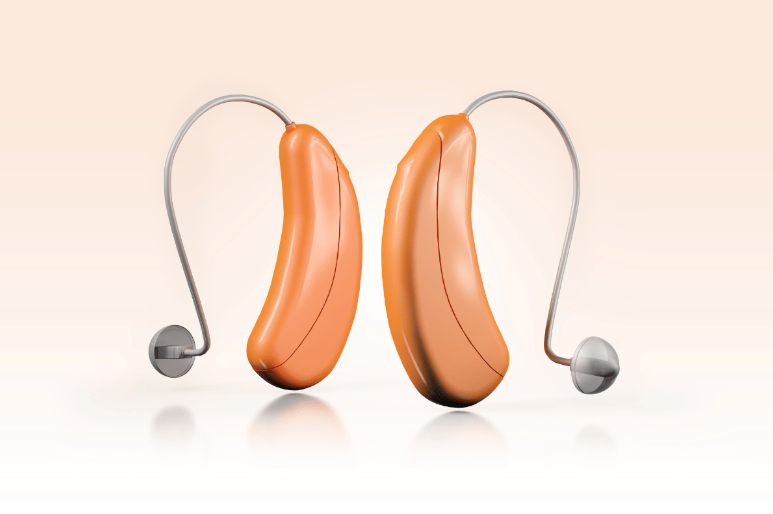
Finding the right hearing aid can feel confusing, especially with so many styles and features available today. The right choice should fit your hearing needs, daily routine and comfort. Often called an ear machine, a suitable device can make conversations clearer and help you feel more confident in everyday life again.
Begin with a Proper Hearing Assessment
Start with a hearing test from a hearing care professional. The assessment identifies the type and level of hearing loss. It helps the professional recommend styles and settings.
Avoid choosing an ear machine because of its price, appearance or another person’s experience. Hearing needs differ, so fittings should be personalised.
Think about Where You Spend Your Day
Your surroundings influence the features you may need. Someone who speaks with family at home may have simpler requirements than a person who attends meetings, travels often or visits crowded places.
Consider these situations:
- One-to-one conversations at home
- Office meetings and phone calls
- Markets, restaurants and family functions
- Television and online video calls
- Outdoor walks and public transport
If you move between quiet and noisy settings, an ear machine with background noise management and sound adjustment may be useful. These features can make speech clearer without increasing all surrounding sounds equally.
Select a Style That Feels Comfortable
Hearing aids are available behind-the-ear, receiver-in-canal and in-the-ear styles. Larger models may provide easier controls, longer battery life and simpler handling. Smaller devices are discreet but may require careful cleaning and may not suit every ear canal.
The right ear machine should feel secure and comfortable for several hours. Check whether it is easy to insert, remove and wear with glasses or masks. A device will not support hearing if discomfort makes you avoid using it.
Check Controls, Battery and Connectivity
Choose controls that are simple to operate. Some users prefer physical buttons, while others find mobile apps convenient. Rechargeable batteries can reduce the need to handle small disposable cells. Bluetooth may allow connection to phones, televisions or compatible devices.
An ear machine should fit naturally into your routine. Ask how often it needs charging, how to clean it and whether volume settings can be changed easily. Select only features you are likely to use.
Balance Cost with Useful Features
Hearing aid prices may vary according to design, sound processing, noise control, connectivity and battery type. A higher price does not always mean a device is suitable for your needs. Focus on practical value rather than choosing the model with the longest feature list.
Your budget should include professional fitting, follow-up appointments, servicing, warranty and possible repairs. Choosing an ear machine with useful functions is often more sensible than paying for advanced features that do not match your lifestyle.
Take a Trial and Review the Fit
Whenever possible, try the hearing aid before making a final decision. Wear it in familiar settings and notice whether speech sounds clear, background noise feels manageable, and the fit remains comfortable. Gradually test it in busier environments as you become used to the sound.
Share any discomfort or hearing difficulty with the professional. Fine-tuning may be needed before the device feels natural. Hearzap also provides hearing aid options and professional support to help users compare suitable choices.
Final Thoughts
Choosing the right hearing aid requires attention to hearing needs, comfort, daily surroundings and useful features. Begin with a professional hearing test, try the device in real situations and review the fit before deciding. A properly adjusted hearing aid can make conversations easier and support greater confidence in everyday communication.