

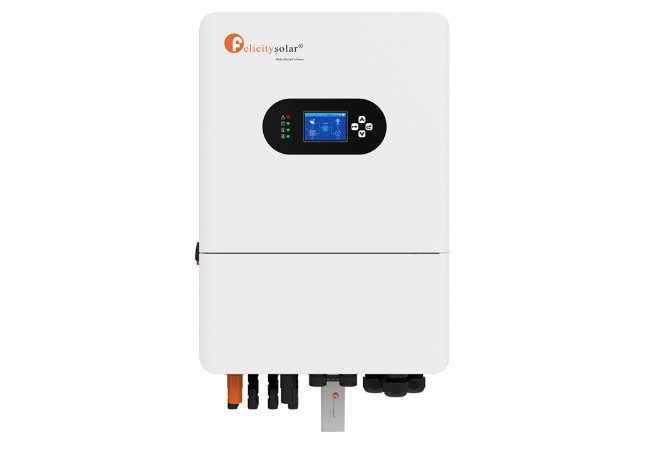
Introduction to Hybrid Solar Inverters
Are you ready to take your energy independence to the next level? If you’re exploring solar solutions, hybrid solar inverters might just be what you need. These innovative devices are transforming how we harness and utilize solar power. Whether you’re a homeowner or business owner, understanding hybrid solar inverters can lead to significant savings on energy bills while reducing your carbon footprint.
In this ultimate guide, we will dive deep into the world of hybrid solar inverter. From how they work to their many benefits, you’ll discover why more people are making the switch. Say goodbye to traditional setups and hello to a smarter way of managing your energy needs! Let’s illuminate the ins and outs of this cutting-edge technology together.
How Do Hybrid Solar Inverters Work?
Hybrid solar inverters blend traditional solar technology with advanced energy storage systems. They manage the flow of electricity between your solar panels, battery storage, and the grid.
When sunlight hits your panels, they generate direct current (DC) power. The hybrid inverter converts this DC into alternating current (AC), which can be utilized by home appliances.
One standout feature is its ability to store excess energy in batteries for later use. When production exceeds demand during sunny days, that surplus is saved rather than wasted.
During the night or cloudy weather, you can draw from stored energy instead of relying on grid electricity. This smart management ensures efficiency and cost savings while providing backup power when needed.
Additionally, many hybrid inverters come equipped with monitoring apps that allow homeowners to track their system’s performance in real-time. This transparency empowers users to optimize their energy consumption effectively throughout the day.
Benefits of Using a Hybrid Solar Inverter
Hybrid solar inverters offer a unique blend of benefits that make them an attractive choice for homeowners and businesses alike. They combine the advantages of both grid-tied and off-grid systems, providing flexibility in energy usage.
One significant perk is energy independence. With a hybrid system, you can store excess solar power for use during outages or at night. This means less reliance on the grid, translating to lower electricity bills.
Moreover, these inverters enable seamless switching between different power sources. Whether you’re drawing from batteries or the grid, they optimize performance automatically.
Additionally, many hybrid solar inverters come equipped with smart technology features. These allow users to monitor their energy consumption through apps or online platforms easily.
Investing in a hybrid solar inverter not only boosts efficiency but also contributes to sustainability efforts by maximizing renewable energy use.
Installation Process and Costs
Installing a hybrid solar inverter involves several steps that require careful planning. First, you’ll need to assess your energy needs and the size of your solar panel system. This will help determine which inverter is right for you.
Next, it’s essential to hire a qualified installer who understands local regulations and safety standards. The installation usually takes one to two days, depending on the complexity of your system.
When it comes to costs, prices can vary widely based on brand and capacity. On average, homeowners might spend between $1,500 and $3,000 for the inverter itself. Don’t forget additional expenses such as labor fees or permits.
While upfront costs may seem high, many find long-term savings through reduced electricity bills. Plus, government incentives can alleviate some financial burdens associated with installation.
Maintenance and Troubleshooting Tips
Regular maintenance is key to keeping your hybrid solar inverter in top shape. Start by inspecting the unit for dust, dirt, or debris. A clean surface ensures optimal performance.
Check the connections and wiring periodically. Loose or corroded wires can lead to inefficiencies or failures. Tighten any loose connections you encounter.
Monitor the system’s performance using its monitoring software. Be on the lookout for unusual drops in energy production, which might indicate an issue that needs attention.
Also, keep an eye on battery health if your system includes one. Most batteries have indicators showing their state of charge and overall condition.
If you notice persistent issues, consult your manufacturer’s troubleshooting guide first. This resource often provides specific solutions tailored to common problems encountered with hybrid solar inverters.
Conclusion
Hybrid solar inverter represent a significant advancement in renewable energy technology. By integrating various power sources, they offer flexibility and reliability for solar energy users. Whether you are looking to reduce your electricity bills or contribute to a sustainable future, these systems provide an effective solution.
With numerous benefits like enhanced efficiency and battery management capabilities, investing in a hybrid solar inverter can be beneficial for both residential and commercial applications. The installation process may require careful planning and professional assistance, but the long-term savings often outweigh initial costs.
Regular maintenance is crucial to keep your system running smoothly. A well-maintained hybrid solar inverter can last many years while providing consistent performance.
Exploring this innovative technology could open doors to new possibilities for energy independence and sustainability. Embracing hybrid solar inverters not only helps mitigate environmental impact but also empowers individuals with control over their energy consumption. Consider making the switch today; it might just be the right choice for you.