

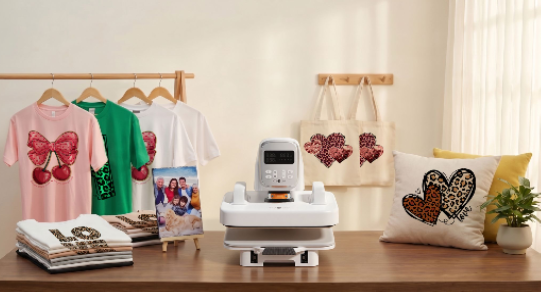
Custom apparel has become more popular than ever, whether you’re starting a small business, creating personalized gifts, or designing custom uniforms. With the right combination of a T-shirt press, vinyl cutter, and heat transfer vinyl, you can produce professional-quality shirts from the comfort of your home or workshop. These tools make it easy to transfer custom designs onto fabric while ensuring long-lasting results that withstand repeated washing.
If you’re new to custom T-shirt printing, understanding how these three tools work together is the first step toward creating eye-catching apparel. This guide explains everything you need to know, from choosing the right equipment to applying your designs successfully.
What Is a T-Shirt Press?
A heat press machine, sometimes referred to as a T-shirt heat press, uses heat, pressure, and time to transfer vinyl designs onto cloth. It ensures that every element of the design sticks correctly by transferring heat consistently throughout the garment, unlike a domestic iron.
A high-quality heat press for T-shirts lowers the possibility of peeling or uneven transfers and produces consistent results whether you’re making one shirt or hundreds. Both beginner and expert users can benefit from the digitally controlled temperature controls, adjustable pressure settings, and automatic timers found in many current machines. Purchasing the best T-shirt press can increase productivity and enable you to produce long-lasting, professional-looking clothing.
Understanding a Vinyl Cutter
A vinyl cutter is a highly accurate device that uses digital artwork to cut designs onto vinyl sheets. It follows the outlines of your designs with a tiny blade rather than printing with ink. Only the final design is prepared for pressing after the extra material is removed through a procedure called weeding.
Today’s vinyl cutting machine models are available in various sizes and skill levels. If you’re just getting started, choosing a vinyl cutting machine for beginners with simple software and automatic cutting settings can make the learning process much easier. A high-quality vinyl plotter also allows you to cut detailed graphics, logos, lettering, and decorative patterns with excellent accuracy.
What Is Heat Transfer Vinyl (HTV)?
Heat transfer vinyl, commonly known as HTV vinyl, is a specialty material designed to bond permanently with fabric when heat and pressure are applied. It features a heat-activated adhesive that creates durable, flexible designs suitable for everyday wear.
There are several types of iron-on vinyl available, depending on your project. Standard HTV works well for text and simple graphics, while printable heat transfer vinyl allows you to print full-color images before applying them to garments. Premium products are often considered the Best heat transfer vinyl because they offer easier weeding, brighter colors, stronger adhesion, and better resistance to cracking or fading after multiple washes.
How to Make Custom Apparel Using These Tools
Creating custom shirts is a straightforward process once you understand the workflow. Start by designing your artwork using compatible design software. Before sending the design to the cutter, remember to mirror the image since HTV is applied face down during pressing.
After your design is complete, put the vinyl into the cutter and adjust the blade depth to suit the material. After cutting, use a weeding tool to gently remove any extra vinyl so that just the finished design remains on the carrier sheet.
After that, heat your unprinted T-shirt for some time to remove wrinkles and wetness. After positioning the design on the cloth, use your T-shirt press to apply the suggested pressure, temperature, and pressing time. After the pressing cycle is finished, follow the manufacturer’s directions to peel the carrier sheet and check the transfer to make sure all corners are securely bonded.
Tips for Better Results
Even with quality equipment, small details can make a significant difference in the finished product. Following a few best practices will help you achieve cleaner, longer-lasting transfers.
- Always pre-press garments to remove wrinkles and moisture.
- Mirror your design before cutting HTV.
- Perform a test cut when using new vinyl.
- Use the recommended temperature and pressure settings.
- Allow the garment to cool if the vinyl requires a cold peel.
These simple habits improve both the appearance and durability of your custom apparel while reducing material waste.
Choosing the Right Equipment
Selecting reliable equipment is just as important as learning the application process. A dependable heat press machine should provide even heat distribution, accurate temperature control, and adjustable pressure settings. These features ensure consistent transfers regardless of the fabric type.
When choosing the best vinyl cutter, take into account factors like simplicity of maintenance, cutting speed, software compatibility, and cutting accuracy. Machines with presets included for common materials and user-friendly software are generally helpful for beginners.
The quality of your heat transfer vinyl also plays a major role in the final result. Premium HTV offers easier application, smoother finishes, vibrant colors, and greater durability, making it a worthwhile investment for anyone producing custom apparel regularly.
Common Mistakes to Avoid
Many beginners experience issues that are easy to prevent with a little attention to detail. Forgetting to mirror the design, using incorrect temperature settings, or applying insufficient pressure can all lead to poor adhesion. Cutting too deeply into the carrier sheet may also damage the vinyl and waste materials.
Another common mistake is skipping the test cut before beginning a project. Spending a few seconds testing your settings can save valuable vinyl and prevent costly errors. Following the vinyl manufacturer’s recommendations for pressing time and temperature will also help ensure professional results.
- Don’t skip the test cut.
- Avoid pressing damp garments.
- Never guess temperature settings.
- Wait the recommended time before washing finished shirts.
Final Thoughts
Learning how to use a T-shirt press, vinyl cutter, and heat transfer vinyl opens the door to countless creative opportunities. Whether you’re designing personalized gifts, launching an online clothing brand, or offering custom printing services, mastering these tools will help you produce professional-quality apparel with confidence.
By choosing a reliable heat press machine, investing in the best vinyl cutter, and using high-quality HTV vinyl, you can create durable, vibrant designs that customers will appreciate. With regular practice and attention to detail, you’ll quickly develop the skills needed to produce custom T-shirts that stand out for their quality and lasting performance.