

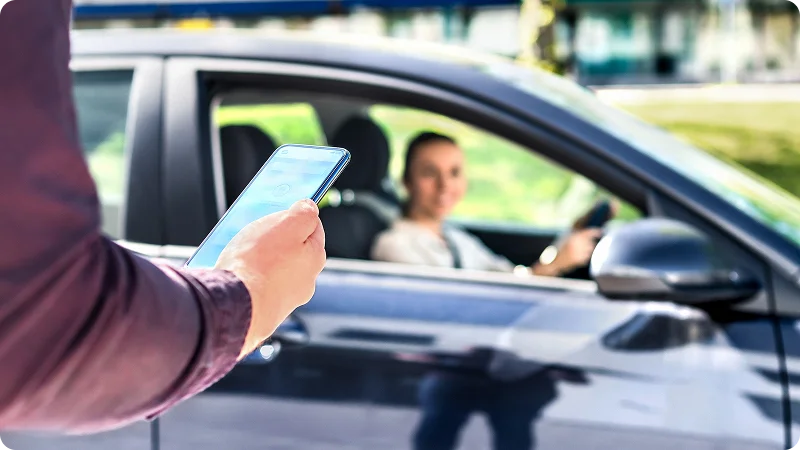
Chicago nightlife runs on rideshare. A sold-out show at the United Center, dinner in the West Loop, a Cubs game in Wrigleyville, or a festival weekend in Grant Park all end the same way: thousands of people tapping their phones and waiting for a car. Nobody wants to deal with parking, and nobody should be driving after a few drinks.
Rideshare is a smart choice for a night out. But crashes happen, and when they do, many passengers realize they have no idea who is responsible or whose insurance pays. Here is what you need to know before your next big night.
Why Rideshare Crashes Are Different
In a typical car accident, two drivers exchange insurance information and the claims process begins. With Uber or Lyft, there can be several layers of insurance in play: the driver’s personal policy, the rideshare company’s commercial policy, and possibly the policy of another driver who caused the crash. Rideshare drivers are generally treated as independent contractors, which can make it harder to hold the company itself responsible. That is why the insurance coverage tied to the trip becomes so important.
Which policy applies depends largely on what the rideshare driver was doing at the moment of the crash. Illinois law sets insurance requirements for these services based on their status in the app:
- App off: the driver is just a regular motorist, and only their personal insurance applies.
- App on, waiting for a request: lower commercial coverage limits apply, set by state law.
- Ride accepted or passenger on board: Illinois requires at least $1 million in liability coverage, which is typically provided through the rideshare company.
For passengers, that last category is usually the one that matters. If you were in the car during your trip, the higher coverage should generally be available.
Common Scenarios on a Night Out
Rideshare crashes in Chicago often follow familiar patterns:
Your driver causes the crash. A distracted driver checking the app, rushing to the next pickup or making an illegal turn in heavy traffic can put passengers at risk. In that case, the rideshare coverage is usually the primary source of compensation.
Another driver hits your rideshare. If someone else runs a light or rear-ends your car, their insurance may be responsible. If that driver is uninsured or underinsured, other coverage may come into play.
You are hurt getting in or out. Crowded pickup zones outside concert venues and bars are chaotic. Passengers are sometimes struck while crossing the street to reach their car or while exiting into traffic.
Pedestrians, cyclists and scooter riders who are hit by a rideshare vehicle may also be able to claim against the rideshare policy, depending on the driver’s app status at the time.
Safety Tips Before You Ride
A few simple habits can make your night safer:
- Match the license plate, car model and driver photo before getting in.
- Sit in the back seat and buckle up. Illinois requires all passengers to wear seat belts, and back-seat passengers often skip it.
- Choose a pickup spot on a quieter side street instead of the most crowded curb.
- Share your trip status with a friend.
- Keep your phone charged so you can document anything that goes wrong.
If a Crash Happens
If you are in a rideshare crash, take these steps:
- Check for injuries and call 911 if anyone is hurt.
- Take photos of the vehicles, the scene and any injuries.
- Screenshot your trip details in the app, including the driver’s name, vehicle and route.
- Get the names and contact information of any other drivers and witnesses.
- Report the crash through the Uber or Lyft app.
- See a doctor, even if you feel fine. Adrenaline and a fun night out can mask symptoms of whiplash or a concussion.
Avoid posting about the crash on social media. Insurance companies do look, and a photo of you dancing at an afterparty can be used to argue your injuries were not serious, even if the pain started the next morning.
Getting the Help You Deserve
Rideshare companies and their insurers handle claims every day, and they are skilled at limiting what they pay. Passengers, on the other hand, usually have never been through this before. Sorting out which policy applies and what your claim is worth can be complicated, especially when multiple drivers and insurers are involved.
If you were injured, speaking with a top rated auto accident attorney can help you understand your options and deal with the insurance companies on your behalf. In Illinois, most injury claims must be filed within two years, so it is best not to wait.
Enjoy the Night, Ride Smart
Rideshare remains one of the safest and easiest ways to get around Chicago after dark. Choosing it over driving impaired is always the right call. Just ride with your eyes open, buckle up, and know your rights if the night takes an unexpected turn.