

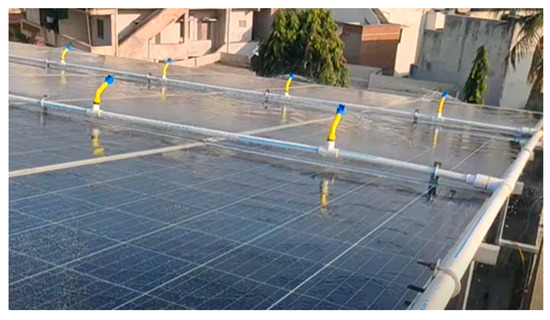
Solar panels spend every day exposed to the same outdoor conditions that affect roofs, windows, and other exterior surfaces. Dust can settle during dry weather, pollen can create seasonal films, nearby trees may contribute organic debris, and birds can leave concentrated deposits. The amount and type of buildup vary considerably from one property to another.
Because environmental exposure differs, solar panel cleaning should not follow an identical schedule for every home. A property surrounded by mature trees faces different maintenance conditions from a house in an open area with frequent airborne dust. Understanding the local sources of contamination helps homeowners plan maintenance around actual conditions rather than an arbitrary calendar.
The objective is to keep panels reasonably clear while avoiding unnecessary service. Slon Exterior Care can assist homeowners in evaluating visible buildup and environmental factors around their properties. Looking at tree coverage, seasonal pollen, dust sources, bird activity, and weather patterns creates a practical basis for deciding when panel surfaces deserve attention.
Nearby Trees Create Several Types of Panel Buildup
Trees can affect solar arrays even when branches never touch the panels. Leaves, blossoms, seeds, needles, small twigs, and other organic material may land on roof surfaces before wind or rain moves them across the array. The type of debris often changes throughout the year.
Tree sap can create a different cleaning challenge because sticky residue may hold additional dust and pollen. Unlike loose leaves that wind may remove, adhered material can remain on the glass for longer periods. Homes beneath certain trees may therefore experience concentrated buildup during specific seasons.
Homeowners should observe which parts of the array receive the greatest exposure. Panels beneath overhanging branches may accumulate debris differently from sections located farther away. Recognizing these patterns can make inspections more focused without assuming the entire system becomes dirty at the same rate.
Dry Conditions Can Increase Dust Accumulation
Extended periods without substantial rainfall can allow airborne dust to settle gradually across panel surfaces. Nearby unpaved areas, landscaping work, construction activity, agricultural operations, and busy roads may contribute additional particles. The buildup may be subtle because it develops as a relatively uniform film.
Rain does not always provide a complete cleaning solution. Light rainfall can move loose particles while leaving residue behind as water dries. Repeated cycles may create visible spotting or uneven areas rather than returning the glass to a thoroughly clean condition.
Solar panel cleaning Silicon Valley becomes easier to plan when homeowners connect visible dust with surrounding conditions. If nearby activity suddenly increases airborne particles, an additional inspection may be more useful than waiting for a routine date that was established under different circumstances.
Treat Pollen as a Seasonal Maintenance Factor
Spring can bring heavy pollen even to homes without substantial tree cover directly above the roof. Fine particles travel through the air and settle on nearly every exposed horizontal or angled surface. Solar arrays are no exception.
Watch for Pollen After Dry, Windy Periods
Pollen can become especially noticeable when several dry days occur during peak seasonal activity. Wind may continually introduce new material before rainfall has a chance to move loose particles. Once moisture arrives, pollen can combine with other surface dirt and create more visible residue.
The timing and intensity of pollen seasons vary by surrounding vegetation and local conditions. Homeowners should therefore use actual observations rather than assuming one annual cleaning date will always coincide with the heaviest accumulation.
Slon Exterior Care can be considered when seasonal residue remains visible after normal weather cycles. Evaluating what is present on the panels helps determine whether professional attention is appropriate at that point.
Bird Activity Can Create Concentrated Contamination
Bird droppings differ from ordinary dust because they create localized deposits rather than a uniform surface film. Homes near trees, utility lines, roof ridges, or common perching locations may experience more frequent bird activity around solar arrays. Certain sections can become affected repeatedly while neighboring panels remain comparatively clear.
Bird-related residue may also remain after rainfall. Its concentrated nature makes visual inspection useful, particularly when the same area repeatedly develops deposits. Homeowners can note whether birds tend to gather near particular roof sections and include those locations in routine observations.
Attempting to reach rooftop panels personally can introduce fall hazards. A visible deposit does not justify unsafe roof access, especially on steep, high, wet, or difficult surfaces. Maintenance planning should account for both cleanliness and safe access.
Use Visual Patterns to Guide Inspection Timing
A fixed schedule is simple, but environmental conditions do not remain fixed. Construction may begin nearby, a tree may enter a heavy flowering period, or an unusually dry season may increase dust. Visual observations help maintenance plans adapt to these changes.
Homeowners can compare panel appearance over time from a safe location when the roof configuration allows it. Photographs taken under similar lighting conditions may also help identify developing patterns. The objective is not to react to every speck but to notice meaningful accumulation.
Solar panel cleaning should be based on the condition of the array and the property’s exposure. A home with relatively little airborne debris may require attention at different intervals from one surrounded by trees and persistent environmental activity.
Consider Roof Position and Panel Orientation
Two homes in the same neighborhood can experience different panel conditions because their roof layouts differ. Panel angle, orientation, surrounding structures, tree placement, and exposure to prevailing wind can influence where debris settles and how easily it moves away.
Some roof sections may receive more falling leaves, while another side receives more airborne dust from a road. Shaded locations may also remain damp longer after certain weather events, affecting how residue appears on the surface. These differences make property-specific observation particularly useful.
Slon Exterior Care can help homeowners account for these site conditions when planning maintenance. Understanding where contamination originates makes it easier to focus attention on the parts of the system most exposed to recurring buildup.
Review Panels After Nearby Construction or Landscaping
Environmental exposure can change temporarily. A neighboring renovation, road project, major landscaping job, or soil disturbance may release more dust than the property normally experiences. Panels that usually remain relatively clear can develop visible films during these periods.
Homeowners should consider an inspection after unusually dusty work has ended rather than automatically changing the long-term maintenance schedule. Temporary conditions may justify one additional service without indicating that more frequent cleaning will always be necessary.
Tree trimming and yard work can also introduce organic material around roof surfaces. Checking panel condition after substantial exterior projects allows maintenance to respond to the event instead of relying solely on seasonal assumptions.
Avoid Using Energy Changes as the Only Cleaning Signal
Homeowners may notice changes in system production and immediately suspect dirty panels. Surface contamination can be one consideration, but energy output is influenced by multiple factors. Weather, sunlight availability, seasonal changes, shading, and system conditions can also affect production.
Visible inspection provides additional context. If panels appear relatively clear while production changes significantly, assuming that cleaning alone will solve the issue may overlook another cause. Maintenance decisions are stronger when surface condition and environmental exposure are considered together.
Likewise, visible buildup deserves attention even when homeowners have not noticed an obvious change in production. A maintenance plan should focus on keeping the equipment appropriately cared for rather than waiting for one specific performance symptom.
Build a Schedule Around the Property
The most practical maintenance plan is one shaped by the environment surrounding the home. Tree coverage, pollen seasons, bird activity, road dust, construction, rainfall, and roof orientation can all influence how quickly panel surfaces collect contaminants. These conditions may change from year to year.
Homeowners can begin with periodic visual observations and record when meaningful buildup tends to appear. Over time, those notes create a property-specific pattern that makes future scheduling easier. Seasonal inspections can then be concentrated around periods that consistently produce the greatest contamination.
With professional support from Slon Exterior Care, maintenance can respond to actual panel conditions rather than a generic timetable. Paying attention to environmental exposure helps homeowners avoid both neglect and unnecessary cleaning while keeping the solar array incorporated into a thoughtful exterior maintenance routine.