

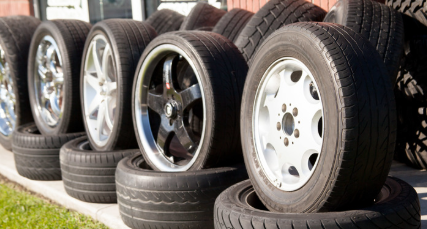
Choosing the right car tyres is essential for safety, comfort, fuel efficiency, and overall driving performance. Tyres are the only part of your vehicle that actually touches the road, and every input you make steering, braking, accelerating is transmitted through four contact patches roughly the size of your hand. With so many tyre sizes and types available, the best choice depends on your vehicle, driving habits, local weather conditions, and the type of roads you use most often.
Consider Your Driving Conditions
Start by thinking about where and how you usually drive. Someone who mainly travels around the city will have different requirements from a driver who regularly uses motorways or covers long distances.
City driving typically involves frequent stopping and starting, tight manoeuvring, kerbside parking, and lower average speeds. In these conditions, responsive braking, resistance to kerb damage, and even wear across the tread tend to matter most. Motorway drivers, by contrast, spend long periods at steady, higher speeds, where stability, heat resistance, and low rolling noise become far more noticeable. Drivers who regularly carry passengers, tow a trailer, or load the boot heavily should also pay attention to the tyre’s load index, as a tyre that is under-specified for the weight it carries will wear faster and run hotter than it should.
Weather also plays an important role. All season tyres can be a practical option for drivers who experience moderate changes in weather throughout the year. They are designed to provide balanced performance in both dry and wet conditions, helping drivers avoid switching between different tyre sets as the seasons change. For many drivers in temperate climates, this convenience is a genuine advantage: there is no seasonal changeover appointment to book, no second set to store, and no risk of being caught on the wrong rubber during an unexpected cold snap.
However, drivers living in areas with extreme winter or summer conditions may benefit from tyres designed specifically for those environments. Winter tyres use a rubber compound that stays flexible as temperatures drop, along with tread patterns designed to bite into snow and clear slush. Summer tyres, meanwhile, are optimised for grip and stability in warm, dry conditions and typically deliver shorter braking distances in the heat. If your region regularly experiences heavy snowfall or sustained high temperatures, a season-specific tyre will usually outperform an all season option in those particular conditions. In some countries, winter tyres are also a legal requirement during certain months, so it is worth checking local regulations.
Choose the Correct Tyre Size
Using the correct tyre size is important for maintaining your vehicle’s handling, braking performance, and stability. You can usually find the recommended tyre specifications in your vehicle handbook, inside the driver-side door frame, or on your existing tyres.
For example, a 225 45 r17 tyre is a common specification found on many modern passenger vehicles. The numbers indicate the tyre width, profile, and wheel diameter. In this case, 225 refers to the tyre’s section width in millimetres, 45 is the aspect ratio meaning the sidewall height is 45% of the width and R17 indicates a radial construction designed to fit a 17-inch wheel. Following these figures you will usually find the load index and speed rating, which describe the maximum weight the tyre can carry and the maximum speed it is rated for.
You should always confirm that the tyre size you purchase matches the specifications recommended by your vehicle manufacturer. Fitting a size the manufacturer has not approved can affect speedometer accuracy, alter the way electronic systems such as ABS and stability control interpret wheel speed, and change the clearance between the tyre and the bodywork or suspension components. It is also worth fitting tyres in matched pairs on the same axle, and ideally keeping all four tyres consistent, so that grip levels remain predictable in an emergency stop or a sudden change of direction.
Look at Performance and Efficiency
Tyres can affect much more than grip. Rolling resistance influences fuel consumption, while tread design can affect road noise and driving comfort. If you regularly make long journeys, choosing tyres designed for lower noise levels and improved efficiency can make everyday driving more comfortable and over tens of thousands of kilometres, small differences in rolling resistance add up at the pump.
Wet braking performance is another important consideration. Tread depth and pattern determine how quickly water is channelled away from the contact patch, which is what protects you from aquaplaning on a flooded road. Look at tyre labels and manufacturer information to compare wet grip, fuel efficiency, and external noise ratings before making your decision. These standardised ratings make it far easier to compare two products side by side than marketing descriptions alone.
It is equally important to look after the tyres once they are fitted. Check pressures regularly, ideally when the tyres are cold, and set them to the values recommended for your vehicle and load. Under-inflation increases fuel consumption, causes uneven wear on the shoulders, and raises the risk of overheating. Rotating your tyres at the intervals suggested by the manufacturer helps even out wear, and having the wheel alignment checked after hitting a deep pothole can prevent premature damage. Inspect the tread depth periodically and watch for cracks, bulges, or embedded objects.
Don’t Choose Based on Price Alone
Budget is naturally important, but the cheapest tyre is not always the most cost-effective option. A higher-quality tyre may provide better durability, braking performance, and fuel efficiency over its lifespan. A tyre that lasts noticeably longer, saves fuel on every journey, and stops the car a few metres shorter in the wet can easily justify a higher purchase price and the safety benefit is not something that appears on a receipt at all.
Ultimately, the best tyres are those that suit your vehicle and the way you actually drive. Check the correct size, consider your typical road and weather conditions, compare performance ratings, and choose a reputable tyre that offers the right balance of safety, comfort, and value. Taking a little extra time over the decision and maintaining the tyres properly afterwards pays back every single time you get behind the wheel.