

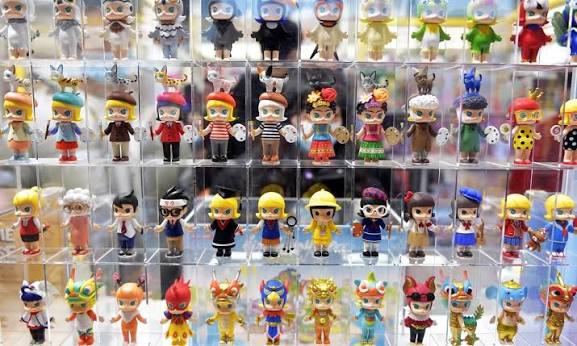
From blind boxes to designer toys, collecting culture is evolving beyond simple product consumption into a diverse and increasingly global market.
In recent years, blind boxes and collectible toys have attracted growing interest from collectors across Asia, North America, Europe, and other markets. Consumers are not only purchasing products but are also building collections around specific IPs, series, limited editions, and rare releases.
However, as collections continue to grow, a new question is emerging: What happens when collectors receive duplicate items or no longer need certain collectibles?
The answer is increasingly shifting from simply keeping these items unused to buying and selling them through the second-hand market.
From a Single Purchase to Continuous Circulation
One of the defining characteristics of blind boxes is that consumers typically do not know which specific design they will receive before opening the package.
While this randomness creates excitement and anticipation, it also inevitably results in duplicate or unwanted items entering collectors’ hands.
For one collector, a duplicate blind box may no longer be needed. For another, however, that same item may be exactly what they have been looking for.
As a result, the lifecycle of a collectible no longer ends with its initial purchase.
It can follow a cycle of:
Purchase → Unbox → Collect → Sell → Repurchase → Collect Again
This continuous circulation is contributing to the development of a more active second-hand collectibles market.
The Second-Hand Market Is Becoming an Important Part of Collecting Culture
Traditionally, purchasing collectibles meant buying directly from brands, retailers, or authorized distributors.
As collector communities continue to expand, however, direct transactions between collectors are becoming an increasingly important part of collecting culture.
On one side, sellers can sell duplicate items, unwanted collectibles, or surplus pieces from completed collections, freeing up space while recovering part of their investment.
On the other side, buyers can use the second-hand market to find discontinued products, hard-to-find releases, or specific designs they were unable to obtain through blind box purchases.
This supply-and-demand dynamic is particularly evident for popular IPs, limited editions, and rare collectibles.
As a result, buying and selling are gradually evolving from separate activities into an interconnected circulation system for collectible products.
Cross-Border Collecting Is Creating New Trading Opportunities
The globalization of the collectibles market is further driving demand for second-hand transactions.
Different countries and regions often release exclusive products, regional editions, and special collaborations. A product that is widely available in one market may be difficult to find in another.
This is encouraging collectors to explore cross-border purchasing and trading opportunities.
Collectors increasingly want to:
- Find specific products they are looking for;
- Sell collectibles they no longer need;
- Discover limited releases from different countries and regions;
- Trade within a more specialized collectibles environment.
This suggests that the future collectibles market may extend beyond the traditional relationship between brands and consumers, evolving into a global ecosystem involving brands, collectors, buyers, and sellers.
Trust Is Becoming Essential to Second-Hand Collectibles Trading
As the second-hand collectibles market expands, consumers are looking beyond price alone.
Product authenticity, condition, seller information, transaction processes, and delivery security can all influence whether collectors are willing to complete a transaction.
This is particularly important for rare, limited-edition, and high-value collectibles, where a professional and transparent trading environment can provide greater confidence for both buyers and sellers.
As a result, dedicated marketplaces designed specifically for collectibles are becoming an increasingly important part of the market.
SWAPBOXO Connects Collectors with the Global Second-Hand Collectibles Market
Against the backdrop of a rapidly developing global second-hand collectibles market, SWAPBOXO is building a global marketplace dedicated to blind boxes, designer toys, and collectible products.
Built around three core needs — BUY, SELL, and TRADE — the platform connects buyers and sellers worldwide, making it easier for collectors to discover limited-edition, rare, discontinued, sold-out, and highly sought-after blind box products while breaking down geographical barriers to collectible trading.
Through its AI-powered matching system, SWAPBOXO helps buyers quickly discover products that match their interests and needs, while improving the efficiency of matching buyers with relevant sellers.
To enhance transaction security, the platform provides an official authentication and inspection process, with products subject to platform inspection before proceeding through the subsequent transaction process. Combined with escrow transactions and risk-control mechanisms, this helps reduce the risks associated with counterfeit products and fraudulent transactions.
SWAPBOXO also adopts a market-driven pricing mechanism, allowing buyers and sellers to determine prices independently. Through a Bid & Ask system, buyers and sellers can be matched based on their respective offers and asking prices, while market reference prices help reduce information gaps and promote greater transparency and fairness.
Through global connectivity, AI-powered matching, official product inspection, and a flexible Bid & Ask trading mechanism, SWAPBOXO aims to help every unwanted or highly sought-after collectible find the collector who truly wants it.