

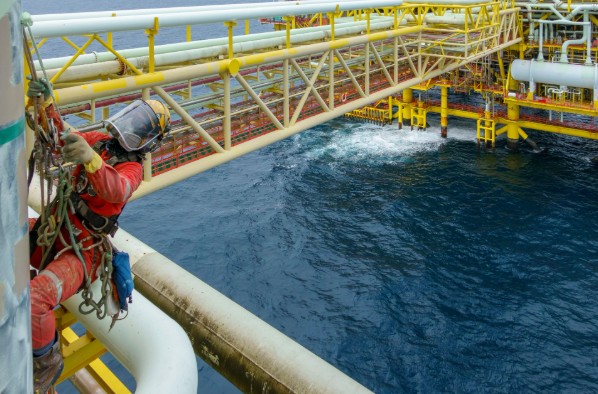
Offshore work comes with challenges that are different from most land-based jobs. A single accident can involve remote locations, complex equipment, multiple companies, and questions about responsibility. The injury itself is only one part of the situation. The details surrounding the accident often determine how the claim is reviewed.
An offshore accident lawyer in Houston may examine accident records, workplace conditions, and other information to understand the circumstances involved. From legal considerations to evidence problems, several issues can make offshore accident claims more complicated than expected.
1. Determining Which Laws Apply
One of the first challenges in an offshore accident claim is understanding which laws may apply to the situation. Offshore work does not always follow the same rules as regular workplace accidents on land.
Factors that may affect the legal framework include the location of the accident, the type of vessel or offshore structure involved, and the worker’s role. Maritime laws, federal regulations, and other rules may apply depending on the circumstances.
Because offshore operations often involve specialized environments, reviewing the correct legal information requires careful attention to the details of the accident and the work being performed.
2. Multiple Parties May Be Involved
Offshore operations usually involve many people and companies working together. An accident may involve more than one party, which can make determining responsibility more complicated.
Possible parties connected to an offshore accident may include:
- Employers
- Vessel owners
- Contractors
- Equipment manufacturers
- Service providers
Each party may have different responsibilities related to safety, equipment, and workplace conditions. Reviewing contracts, work duties, and accident records can help provide a clearer understanding of how the incident happened.
3. Proving What Caused the Accident
Finding the cause of an offshore accident is another challenge that may affect the claim. Offshore environments often involve heavy machinery, complex systems, and demanding working conditions.
Possible causes may include equipment failures, unsafe conditions, poor maintenance, or problems with workplace procedures. Determining what happened may require reviewing several types of information.
Important evidence may include:
- Accident reports
- Safety records
- Equipment maintenance documents
- Witness statements
- Workplace procedures
A detailed review of these records can help explain the events leading up to the injury.
4. Collecting Evidence From Remote Locations
Offshore accident scenes can create unique challenges when gathering evidence. Many offshore locations are far from shore, and access to the area may be limited after an accident.
Conditions at the worksite can also change quickly. Equipment may be repaired, moved, or returned to use, which can affect the availability of important information.
Photos, reports, maintenance records, and statements from people who were present can help preserve details about the accident. Keeping accurate records can provide valuable information during the review of an offshore injury claim.
5. Serious Injuries and Long-Term Effects
Offshore accidents can result in serious injuries because of the nature of the work environment. Heavy equipment, difficult working conditions, and remote locations can increase the challenges involved after an accident.
The effects of an injury may extend beyond immediate medical treatment. Some workers may face long recovery periods, ongoing care needs, or changes in their ability to perform certain job duties.
Medical records and treatment information can help document the impact of the injury. Reviewing both current and future effects may be important when understanding the complete situation.
6. Insurance and Compensation Disputes
Insurance discussions can become another complicated part of an offshore accident claim. Questions may arise about responsibility, available benefits, and how different parties are involved in the process.
Keeping records of medical expenses, lost wages, treatment information, and communication with insurance representatives can help maintain an organized file.
Different companies involved in offshore operations may have their own policies and responsibilities. Reviewing these details can help explain how compensation issues connect to the accident circumstances.
Reviewing Offshore Accident Claims Carefully
Offshore accident claims often involve many details that require careful review. The location of the accident, applicable laws, evidence, injury impact, and parties involved can all influence how the situation is evaluated.
For injured workers who have questions about their rights or potential claims, speaking with an offshore accident lawyer in Houston can help make the legal process easier to understand and clarify possible next steps.