

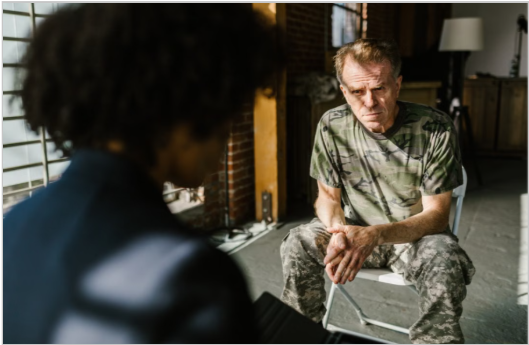
Coming home after military service should feel like a relief, but many veterans find civilian life unfamiliar and lonely. You may miss your daily routine and the close team you once relied on, so days can feel difficult. If stress, pain, or memories came home with you, alcohol or drugs may begin to seem like the only way to cope.
That is where addiction treatment can help, because it gives you medical care, therapy, and a clear plan for life after the military. Programs for veterans understand how hard it can be to leave a life with so much structure. They care for the whole person, not only their drug or alcohol use.
Below, you will learn how addiction treatment can help veterans move into civilian life, from detox to support at home.
- Safe Medical Detox Helps Veterans Start Strong

Before you can settle into civilian life, your body needs time to clear alcohol or drugs. Stopping on your own can cause shaking, vomiting, or even seizures, so it can be dangerous. Medical detox helps keep you safe, with doctors and nurses nearby, so you can begin recovery with a clearer mind.
In a state like Ohio, many veterans return to cities and small towns where family and friends live. Starting detox near home lets loved ones stay involved from the first day. Their support can help to make the transition back to everyday life less isolating.
This is why veterans addiction treatment in Ohio often begins with medical detox and then proceeds to therapy. Your family remains closely involved during withdrawal, and care continues at work, school, and home.
- Mental Health Care Treats PTSD and Trauma with Addiction
Many veterans come home from service with more than physical injuries. Painful memories, nightmares, and worry can make it hard to relax, work, or feel safe around other people. Alcohol or drugs may ease these feelings for a time, but they often return even stronger.
Dual diagnosis care treats addiction and mental health conditions, such as PTSD, anxiety, and depression, at the same time. You meet with therapists who help you talk about experiences at a pace that feels manageable. Doctors can also see whether medicine might help ease your symptoms.
When trauma no longer controls your life, adjusting to civilian life can become easier. You may sleep better, manage anger more calmly, and spend time with others without feeling tense. These changes can help your recovery continue for a long time.
- Healthy Coping Skills Help Manage Civilian Stress
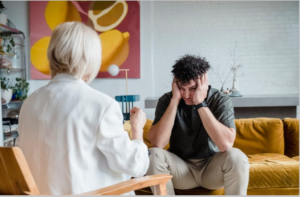
Civilian life introduces stress that can be a lot different from what you experienced in uniform. Looking for a job, paying bills, and dealing with family problems can all happen at once, and no one gives you clear orders. As stress increases, a drink or pill might seem like an easy solution to feel better.
Here, therapy can help you learn how to manage these moments. Cognitive behavioral therapy teaches you to recognize thoughts that trigger cravings and modify them before acting. Dialectical behavior therapy helps you regulate intense emotions and maintain calmness when life is difficult.
Treatment schedules also help to restore the structure that many veterans are missing. These skills are practiced in group sessions and discussions, thus making them easier to use when stress arises at work, school, or home.
- Peer and Staff Support Helps Veterans Feel Heard
One of the challenges that veterans report upon returning home is the feeling of no one understanding them. This feeling can lead to loneliness, and loneliness can make people more likely to drink or use drugs alone. Connecting with a person who has gone through similar experiences can help to lessen feelings of isolation.
Group therapy offers a place where you can connect with other veterans who are struggling with the same issues and share your stories without fear of judgment. Some programs also have staff members who served in the military, which may help build trust sooner. Supervised meetings and outings offer ways to spend time with others again.
Family therapy can also assist your family members to know how to support you at home. Over time, this can help repair the relationships that matter most after you leave treatment.
- Life Skills and Aftercare Get Veterans Ready for Life After Treatment
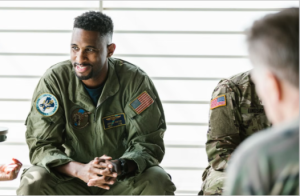
Getting sober is a step, but staying sober takes a plan. After treatment, you may need to find a job, return to school, and manage your money. Life skills training helps you prepare for these tasks before they become too much to handle.
Relapse prevention classes teach you to notice warning signs, such as stress, old friends, or places connected to past substance use. Then you make a plan for what to do when these situations arise. Some programs also offer education support, which may help you find work options.
Aftercare continues to support you after you leave treatment through check-ins, counseling, and alumni groups. Staying connected gives you someone to turn to on a hard day, so one moment does not erase your progress.
Conclusion
Moving from military life to civilian life takes time, and asking for help shows strength, not weakness. You showed strength during your service, and you deserve that same care and respect as you recover.
If you or someone you love is struggling, call a treatment provider this week and ask what the first steps involve. One conversation can answer your questions, ease your worries, and show you that a healthier life at home is possible. Taking action now can help change the year ahead.