

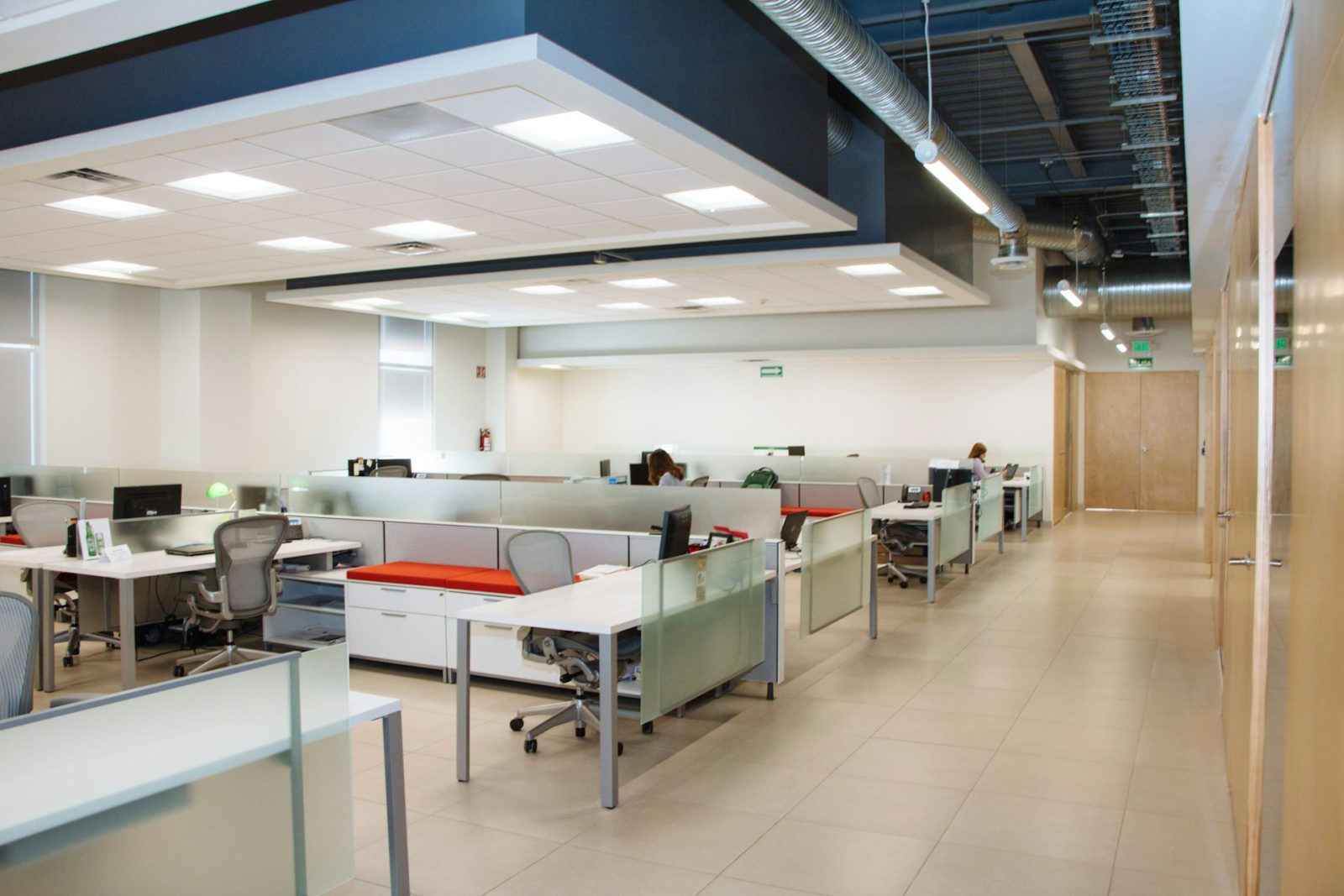
We spend most of our lives at our workplaces. For workers in indoor offices, this means drawing thousands of breaths daily in environments where no one questions the air quality until it becomes unbearable. While energy-efficient workspaces seal out the elements, they also trap pollutants and stale air.
Proper workspace ventilation isn’t just a building-code requirement; it’s essential for performance, wellness, and risk mitigation. In this article, we’ll explore the long-term health implications of poor workspace air and outline practical strategies to make your workspace a competitive advantage.
Stale Air and Brain Fog: The Silent Productivity Killer
Do you experience frequent mid-afternoon slumps at work? It’s not always your coffee wearing off or low willpower; It could be the air you’re breathing. When indoor spaces lack sufficient indoor-fresh air exchange, exhaled carbon dioxide accumulates.
This CO2 buildup directly affects your brain. Medical research shows that increased indoor CO2 and poor ventilation significantly distort cognitive function. Workers in such environments often record lower strategic thinking, information processing speed, and focused attention, essential features required for high-value output.
Beyond the physical discomfort, stale air also reduces workers’ accuracy and decision-making. In contrast, cleaner air supports sharper focus, fewer errors, and sustained mental strength throughout the workday.
Health Hazards and Long-Term Risks
Low productivity is only the immediate result of poor airflow in workspaces; the health consequences are far more severe. When your ventilation system fails to continuously refresh your indoor environments, the workspace becomes a breeding ground for airborne pathogens and chronic illness.
At first, employees may develop Sick Building Syndrome (SBS). The symptoms range from persistent headaches to dry cough, dizziness, and constant fatigue. It can also spread through teams, increasing absenteeism.
Higher achievers often ignore their health, but the stakes are often higher in industrial settings and older facilities. Persistent exposure to hazardous airborne substances can result in occupational lung cancer for employees. If employers neglect ventilation standards, affected workers and their families can visit https://www.lungcancergroup.com/legal/lung-cancer-law-firm/ for help seeking compensation by proving employer liability.
How to Optimize Workplace Ventilation
You don’t need a full structural overhaul to improve and optimize workspace air quality. Simple strategic adjustments to your existing systems and operational procedures can create immediate improvements. Consider some things you can try:
- Upgrading HVAC filtration: Use higher-efficiency media, such as MERV 13 or HEPA filters, which capture smaller particulates that regular filters miss.
- Adopting real-time environmental monitoring: Install smart indoor air quality (IAQ) sensors to continuously track CO2 concentrations, VOCs, and humidity. This will help facility managers dynamically automate air exchanges during peak occupancy hours.
- Enforcing strict maintenance and natural airflow routines: Regularly service ductwork and clean air intakes. Where building design and climate allow, mandate opening windows during low-traffic hours to introduce fresh air and naturally dilute indoor contaminants.
Endnote
Workplace air quality is a key factor in operational efficiency and workplace safety. As modern businesses place greater emphasis on employee well-being, proper ventilation must remain a core operational standard. Ensure proper indoor ventilation by auditing your current performance, upgrading filtration, and maintaining strict indoor environmental standards.