

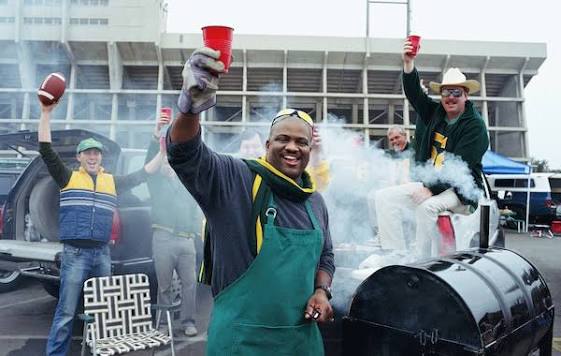
There are few places in the country where fall Saturdays feel quite like South Bend. When Notre Dame plays at home, the city fills with more than 75,000 fans, lots overflow with tailgates, and the energy is unmistakable. It is one of the great traditions in college sports.
But big crowds, long days, packed parking lots and plenty of celebrating also create real safety risks. Every season, fans are injured in falls, crowd surges, parking lot accidents and incidents at tailgates. Knowing where the risks are and what to do if something goes wrong can help keep game day fun.
The Most Common Game Day Injuries
Most game day injuries are not dramatic. They are the kinds of accidents that happen whenever large numbers of people gather:
- Slips and falls on stadium stairs, wet concrete ramps or uneven ground in grass lots
- Trips over cords, coolers and tent stakes around tailgates
- Injuries in crowded entry lines, concourses and exits
- Burns from grills, fryers and portable heaters
- Pedestrian accidents in parking lots and on nearby streets
- Injuries from falling objects, such as unsecured tents in the wind
Late-season games add another hazard. Cold temperatures, rain and early snow can turn bleacher steps and walkways slick, especially after dark.
Tailgate Safety Tips
Tailgating is half the fun, and a few simple habits make it safer:
- Anchor tents securely. Gusts across open lots can send canopies flying into people and vehicles.
- Keep grills and fryers away from walkways and tents, and never leave them unattended.
- Run extension cords where people will not trip over them, or tape them down.
- Pace yourself with alcohol and drink plenty of water, especially on warm early-season days.
- Designate a sober driver or plan a rideshare before the day begins.
- Keep a basic first aid kit in your vehicle for minor cuts and burns.
If you are walking to the stadium, stay on sidewalks where possible and be aware of drivers searching for parking. Many parking lot injuries happen at low speed when drivers are backing up or distracted.
Inside the Stadium
Stadiums are designed to handle large crowds, but congestion is still a risk at gates, concourses and stairways. Arrive early to avoid the heaviest crowds at entry, and use handrails on stairs. After the game, there is no prize for being the first one out. Letting the biggest rush pass can reduce the risk of being pushed or tripped. If you are attending with children or older relatives, agree on a meeting spot in case you get separated in the crowd.
Report spills, broken seats, loose railings or other hazards to stadium staff when you see them. Venues generally have a duty to maintain reasonably safe conditions for guests, and reporting a hazard helps protect the next fan who comes through.
Who Is Responsible When a Fan Gets Hurt?
Responsibility for an injury depends on how and where it happened. Property owners and event operators generally must take reasonable steps to keep their premises safe for visitors. That can include fixing known hazards, providing adequate lighting, managing crowds and warning guests about dangers that are not obvious.
Other people can be responsible too. A driver who hits a pedestrian in a parking lot, a vendor whose equipment malfunctions, or a fellow fan whose reckless behavior causes injury may all bear responsibility.
Indiana uses a comparative fault system, which means an injured person’s own actions can affect a claim. If someone is found to be more than half responsible for their own injury, they cannot recover damages. That is one reason documenting what happened is so important.
What to Do If You Are Injured
If you are hurt on game day, take these steps:
- Get medical attention. Stadiums have first aid stations, and serious injuries warrant a trip to the hospital.
- Report the incident to stadium staff or security and ask for a copy of the report.
- Take photos of the hazard, the area and your injuries.
- Collect contact information from witnesses.
- Keep your ticket, parking pass and receipts as proof of attendance.
- Follow up with your doctor and keep records of all treatment.
Avoid posting about your injury on social media while a claim may be pending. Photos from later in the day can be misinterpreted by insurance companies.
Getting Help After a Game Day Accident
Most injuries at games are minor, and fans are back in the stands the following week. But when an injury is serious, involves significant medical bills or keeps someone out of work, it may be worth getting legal guidance. South Bend-based injury attorneys familiar with local venues and Indiana premises liability law can help injured fans understand their options.
Enjoy the Season
Game day in South Bend is something special. With a little planning and attention, fans can focus on what matters: good food, good company and cheering on the team.