

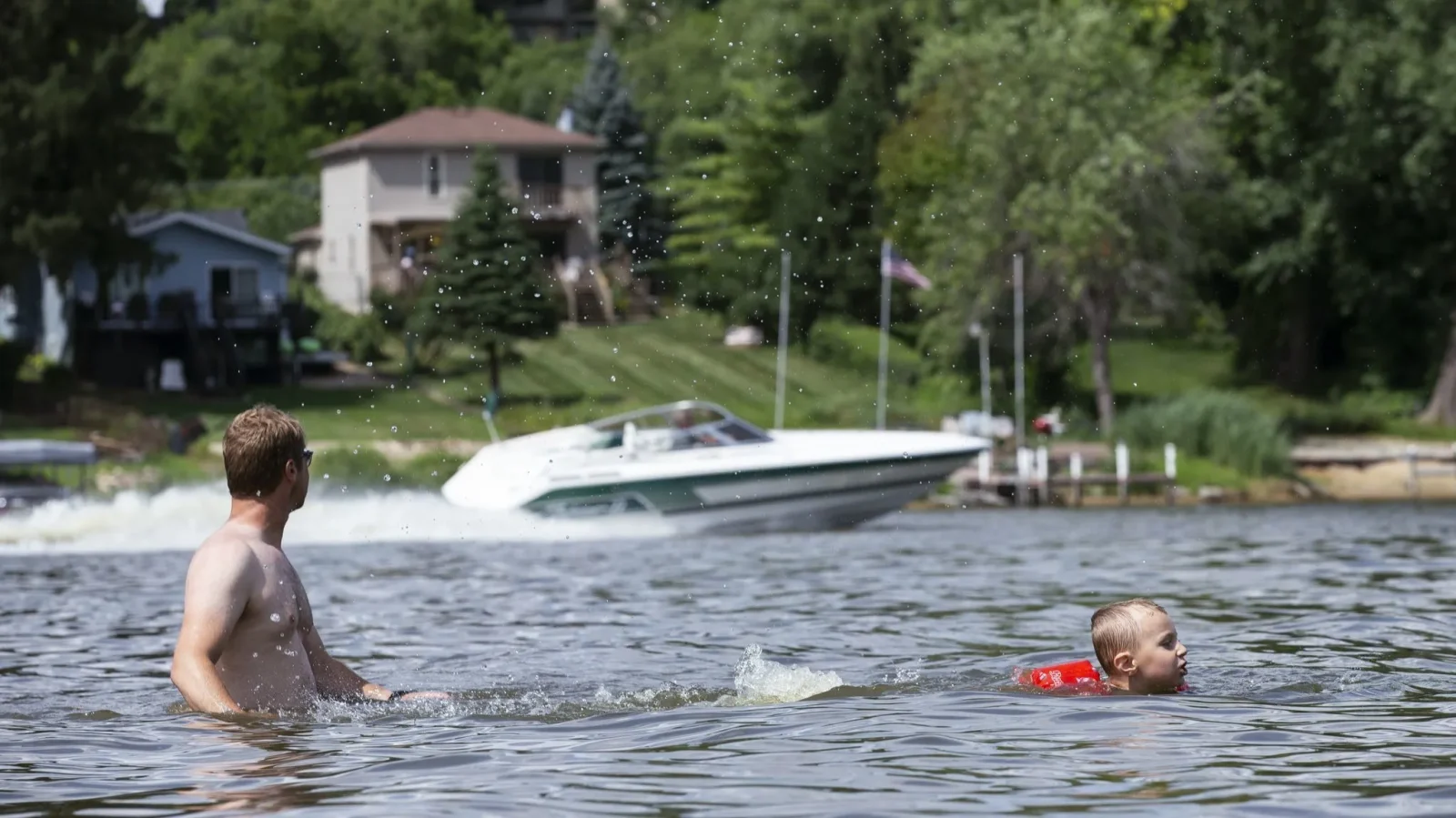
When summer arrives in the Fox Valley, the lake calls. Lake Winnebago, the largest inland lake in Wisconsin, draws boaters, anglers, paddlers and swimmers from across the region. Add in the Fox River, Lake Butte des Morts and countless smaller lakes, and it is easy to see why summer weekends here revolve around the water.
But boating and swimming come with real risks. Every season, Wisconsin sees boating accidents, drownings and injuries caused by collisions, falls and sudden weather changes. A few smart habits can make the difference between a great day on the water and an emergency.
Know the Lake
Lake Winnebago is big, but it is also relatively shallow for its size. That combination means conditions can change quickly. Strong winds can whip up large waves in a short time, catching smaller boats off guard.
Before heading out:
- Check the forecast, including wind speed and thunderstorm risk.
- Tell someone where you are going and when you expect to return.
- Know the location of reefs, shallow areas and hazards on your route.
- Check that your boat’s safety gear, including a fire extinguisher, throwable flotation device and signaling equipment, is on board and working.
- Watch the sky and head to shore at the first sign of a storm.
Life Jackets Save Lives
Most boating deaths nationwide involve drowning, and most drowning victims were not wearing life jackets. Wisconsin requires boats to carry a properly fitting, wearable life jacket for every person on board.
Wearing one is the best choice, especially for children, weak swimmers and anyone on smaller boats, kayaks or paddleboards. Make sure each life jacket is approved, in good condition and sized for the person wearing it, particularly for young children who can slip out of loose vests. Modern inflatable life jackets are lightweight and comfortable enough to wear all day.
Boating Safety Education
Wisconsin requires anyone born on or after January 1, 1989, to complete a boating safety course before operating a motorboat, with limited exceptions. Even experienced boaters can benefit from a refresher on navigation rules, right-of-way and emergency procedures.
Alcohol and the Water
Drinking and boating is a dangerous combination. Sun, wind, waves and engine vibration can intensify the effects of alcohol, impairing balance, judgment and reaction time. In Wisconsin, operating a boat with a blood alcohol concentration of 0.08 or higher is illegal, just like driving a car.
Designate a sober operator for the day. Passengers who drink should be especially careful moving around the boat and should wear life jackets.
Common Boating Accidents
Some of the most common causes of boating injuries include:
- Collisions with other boats, docks or fixed objects
- Operator inattention or inexperience
- Excessive speed in crowded areas
- Passengers falling overboard or falling inside the boat
- Propeller injuries to swimmers
- Carbon monoxide exposure near engine exhausts
Towing sports like tubing and waterskiing add their own risks. Always have a spotter watching the person being towed, and keep a safe distance from other boats, swimmers and shorelines. Wisconsin law requires an observer in addition to the operator when someone is being towed.
Swimming Safety
Open water is very different from a pool. Currents, drop-offs, cold water and limited visibility can make even strong swimmers vulnerable. Swim in designated areas when possible, never swim alone, and supervise children closely at all times. Designate an adult as the “water watcher” whose only job is keeping an eye on swimmers.
On the Docks and Shore
Injuries do not only happen on the water. Wet docks, piers and boat ramps are slippery, and uneven boards or missing railings can lead to serious falls. Marinas, rental businesses and property owners generally have a responsibility to keep their facilities reasonably safe.
When Someone Else Is Responsible
Many boating injuries are preventable, and some are caused by another person’s carelessness. A reckless boat operator, an impaired driver, a rental company that failed to maintain equipment or a marina that ignored a dangerous dock may all bear responsibility.
Wisconsin follows modified comparative negligence, meaning an injured person can recover damages as long as they are not more at fault than the other party, with their recovery reduced by their share of fault.
If you were injured on the water, take these steps:
- Get medical attention right away.
- Report the accident. Wisconsin law requires reporting boating accidents that involve injury, death or significant property damage.
- Collect names and contact information for boat operators, passengers and witnesses.
- Take photos of the boats, the scene and your injuries.
- Keep records of all medical treatment and expenses.
An Appleton-based accident injury attorney can help injured boaters and swimmers understand their options and deal with insurance companies that may try to minimize a claim.
Make the Most of Summer
The Fox Valley’s lakes and rivers are some of the region’s greatest treasures. With preparation, life jackets and a sober captain, families can enjoy everything summer on the water has to offer.