

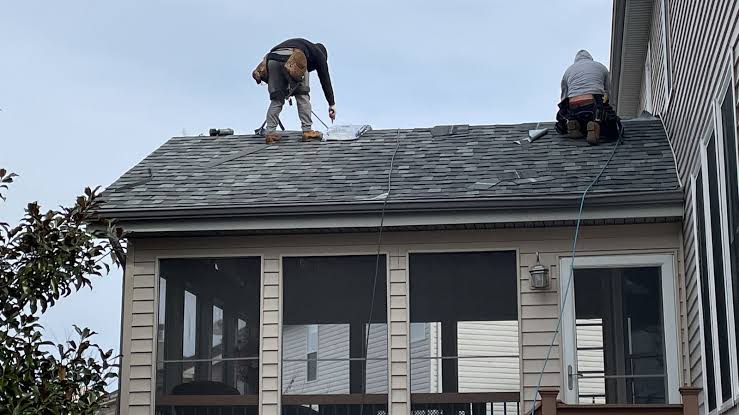
A roof leak that returns after previous work can be frustrating because the earlier repair may have appeared successful. The ceiling stain disappeared, the next rainfall caused no obvious trouble, and the problem seemed resolved. When moisture eventually returns, however, the history of that area becomes valuable information rather than an unrelated detail.
Recurring leaks do not automatically mean earlier Roof Repairs were performed incorrectly. Water can enter through more than one location, surrounding materials can continue aging, and weather conditions may expose pathways that remained dry during previous storms. Understanding when and how the problem returns can help narrow the investigation.
Homeowners can make that evaluation easier by preserving records and observing patterns instead of repeatedly treating visible symptoms. Class Roofing works within this type of residential roofing situation, where repair history can provide context for current conditions. The objective is to determine whether the latest leak represents the same unresolved problem, a nearby issue, or a new source entirely.
Previous Repair Records Provide Valuable Clues
Invoices, photographs, contractor notes, and product information can reveal which part of the roof received attention previously. Even a simple record of the approximate repair date can help establish whether recurring moisture appeared weeks, months, or years after the earlier work.
These details become especially useful when several roofing areas have required attention over time. Without records, homeowners may remember that work occurred but not which components were involved. That uncertainty can make a new leak appear connected to an older problem when it actually developed elsewhere.
Repair documentation does not establish the cause by itself. Instead, it gives the current evaluation a starting point and helps distinguish known problem areas from locations without a previous history.
Interior Stains May Reappear Away From the Source
Water does not necessarily fall directly from an exterior opening to the ceiling below. After entering the roofing assembly, moisture may travel along decking, framing, or other materials before becoming visible indoors. The location of a stain therefore provides evidence, but not a precise map.
A homeowner may naturally focus on the roof area directly above the damaged ceiling. If the true entry point sits farther upslope, work concentrated only above the stain may fail to address the actual pathway. This possibility becomes particularly important when leakage repeatedly returns in the same interior area.
Class Roofing can consider both interior observations and exterior roofing conditions when investigating a recurring concern. Connecting those observations is more useful than assuming the closest visible roof section must be responsible.
Weather Patterns Can Help Explain Recurring Moisture
Not every leak appears during every storm. Rain intensity, wind direction, storm duration, and the amount of water moving across a particular roof section can change how vulnerable areas are exposed. A problem may therefore seem repaired simply because later weather did not recreate the necessary conditions.
Homeowners can note whether moisture appears during prolonged rainfall, wind-driven rain, or only especially heavy storms. Recording the approximate timing can reveal patterns across several weather events. Photographs of stains can also show whether affected areas are expanding.
These observations should not be treated as a homeowner diagnosis. Their value lies in providing additional context when the roof is professionally evaluated.
Repeated Patching Can Eventually Complicate Diagnosis
Temporary patches may appear to be the simplest response when water returns. Additional sealant or another surface treatment can sometimes cover the most visible opening without establishing why moisture reached that location. Multiple layers can eventually make the original condition harder to interpret.
Roof repair services in Newark are more useful when they respond to an identified roofing condition rather than an assumed entry point. Surrounding materials, transitions, penetrations, and previously treated sections may all need consideration when leakage has occurred repeatedly.
A repair history containing several interventions in one small area deserves particular attention. The pattern may indicate that the problem needs a broader evaluation instead of another treatment identical to the previous ones.
Nearby Components Can Create Similar Symptoms
A recurring ceiling stain does not guarantee that exactly the same exterior component has failed again. Roofs contain adjoining materials that work together, and deterioration in one nearby section may create an indoor symptom similar to an earlier problem.
For example, a previously addressed area can remain serviceable while an adjacent component develops deterioration later. Because water may follow a similar path once it enters, the resulting stain can appear in the same room. Assuming the original repair failed could direct attention away from the newer condition.
This is why repair history should guide an evaluation without controlling the conclusion. Current roofing conditions still need to determine what work, if any, is appropriate.
Widespread Wear Changes the Repair Conversation
An isolated problem on an otherwise serviceable roof creates a different decision from recurring leaks across several sections. Homeowners should consider whether problems remain concentrated in one location or have begun appearing at unrelated points around the roofing system.
Several separate issues may indicate that the discussion needs to expand beyond the newest stain. Surface condition, previous repair locations, roof transitions, and the general pattern of deterioration can provide useful context. No single symptom should automatically determine the scope of future work.
Class Roofing can evaluate roofing concerns within that broader context rather than treating repair count alone as a conclusion. The significance of repeated problems depends on where they occur, why they developed, and the condition of surrounding materials.
Attic Evidence Can Add Another Perspective
Where attic areas are safely accessible, visible moisture evidence can provide useful information about the route water has taken. Staining on wood, damp insulation, or discoloration near roof features may help connect an interior ceiling problem with conditions higher in the assembly.
Homeowners should avoid entering unsafe attic areas or disturbing materials simply to investigate a leak. Observations should remain limited to locations that can be accessed safely. Roof surfaces themselves should also be left to people equipped to work at height.
Older staining deserves careful interpretation because discoloration may remain after moisture has stopped. Comparing current dampness with historical marks can help distinguish active concerns from evidence of earlier events.
Know When a Broader Evaluation Makes Sense
One repaired leak followed years later by an unrelated problem does not necessarily represent a recurring pattern. Concern becomes more meaningful when moisture repeatedly appears in the same area, several repairs have addressed nearby components, or new leaks begin developing across different roof sections.
At that point, another isolated Roof Repairs decision should be based on a clearer understanding of the surrounding system. Homeowners can gather previous records, describe weather patterns, and identify where indoor symptoms have appeared. That information gives the evaluation useful historical context.
The goal is not to assume that repeated leakage automatically requires extensive work. It is to avoid making each new decision without considering what the roof has already revealed.
Use Repair History to Make Better Roofing Decisions
Recurring leaks tell a story that extends beyond the newest ceiling stain. Previous work, the timing of moisture, weather conditions, nearby roofing components, and the location of earlier problems can all help explain whether a concern is isolated or part of a developing pattern.
Homeowners do not need to diagnose that pattern themselves. Keeping records, documenting visible changes, and describing when leakage occurs can provide practical information without requiring unsafe roof access or speculative repairs.
A roofing problem becomes easier to evaluate when its history remains available. Instead of treating every stain as an entirely new event, homeowners can connect current evidence with previous conditions and decisions. That broader perspective supports a more informed response when moisture returns after an earlier repair.